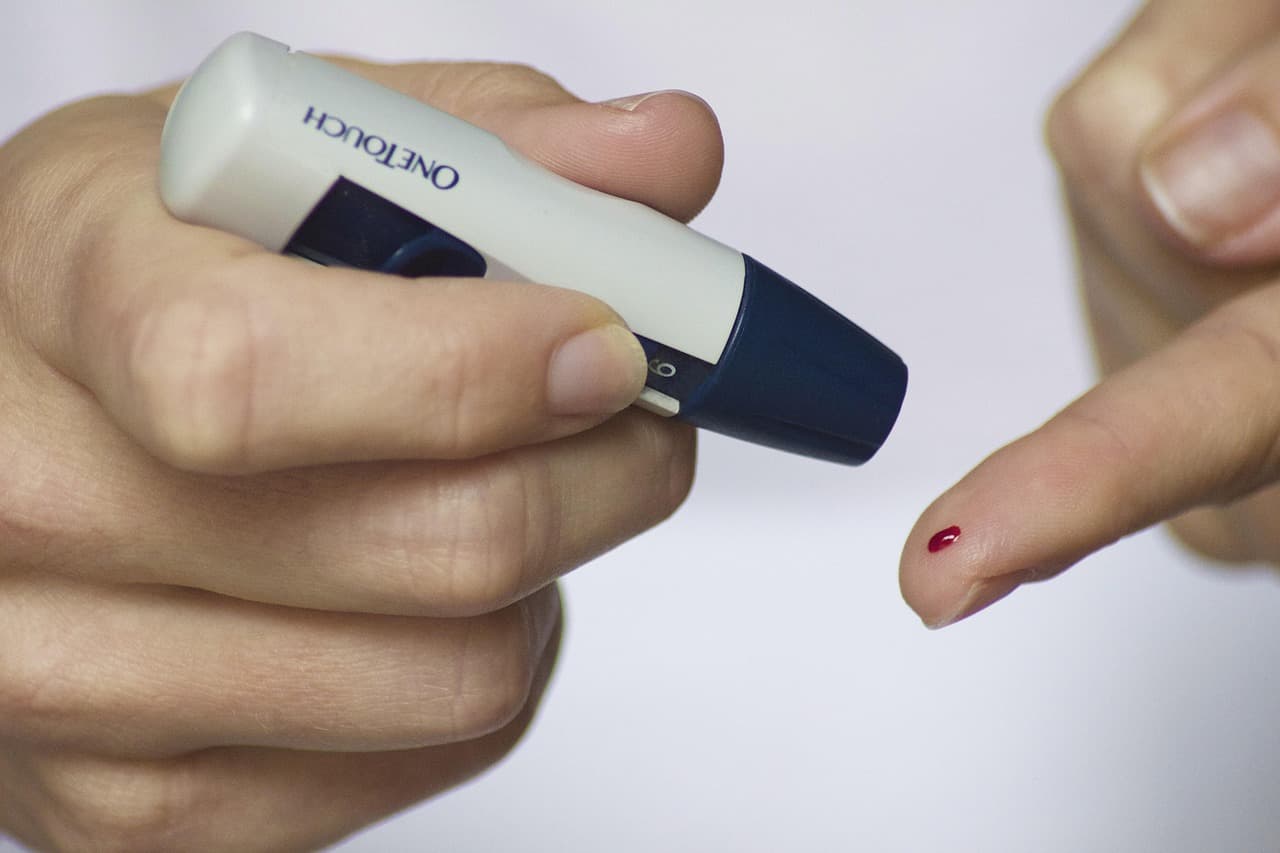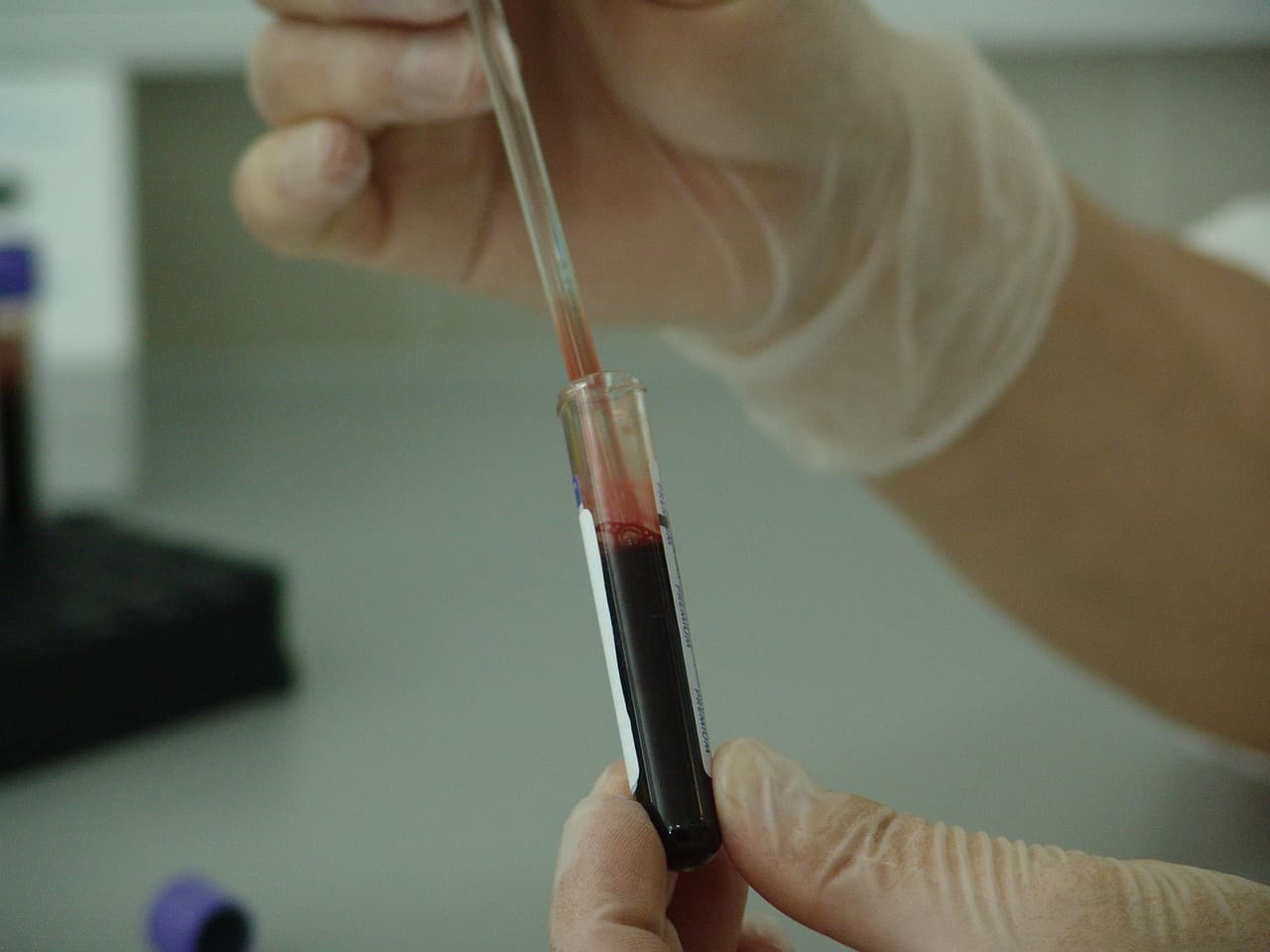
Researchers at Macau University of Science and Technology (MUST) published an AI framework called PULSE in Nature Computational Science on August 25, 2025. According to the paper, PULSE takes 61 routine blood test markers as input and generates 251 metabolomic biomarkers.
How it works and what was shown
PULSE does not perform direct metabolomics measurements; instead it infers metabolomic markers from the structure of 61 routine blood parameters. In the reported experiments, disease-prediction models trained on biomarkers produced by PULSE achieved performance comparable to models trained on directly measured, more expensive metabolomics data.
When and where
The study appeared in Nature Computational Science on August 25, 2025, and was carried out by a team at Macau University of Science and Technology.
Why this matters
Metabolomics and proteomics panels can reveal detailed physiological information but are often costly and require specialized laboratory equipment. The authors argue that PULSE offers a way to estimate such biomarkers from tests that are already performed routinely, which could reduce the need for additional expensive assays in some precision-medicine applications.
Limitations and caution
The paper does not claim PULSE replaces direct laboratory measurements. The reported results show that PULSE-generated estimates can be used effectively in predictive models, but further validation on independent cohorts and clinical studies is required to determine how reliably those estimates can inform patient-care decisions.
Practical implications
If the approach is reproducible and clinically validated, it could lower financial and logistical barriers to accessing certain biomarkers, expanding the scope of precision medicine beyond settings that can afford specialized metabolomics panels.
Summary
PULSE infers 251 metabolomic biomarkers from 61 routine blood markers. In the published experiments, predictive models trained on PULSE output matched the performance of models trained on direct metabolomics data. The method may reduce cost barriers for some precision-medicine uses, but independent validation and clinical testing are still needed.