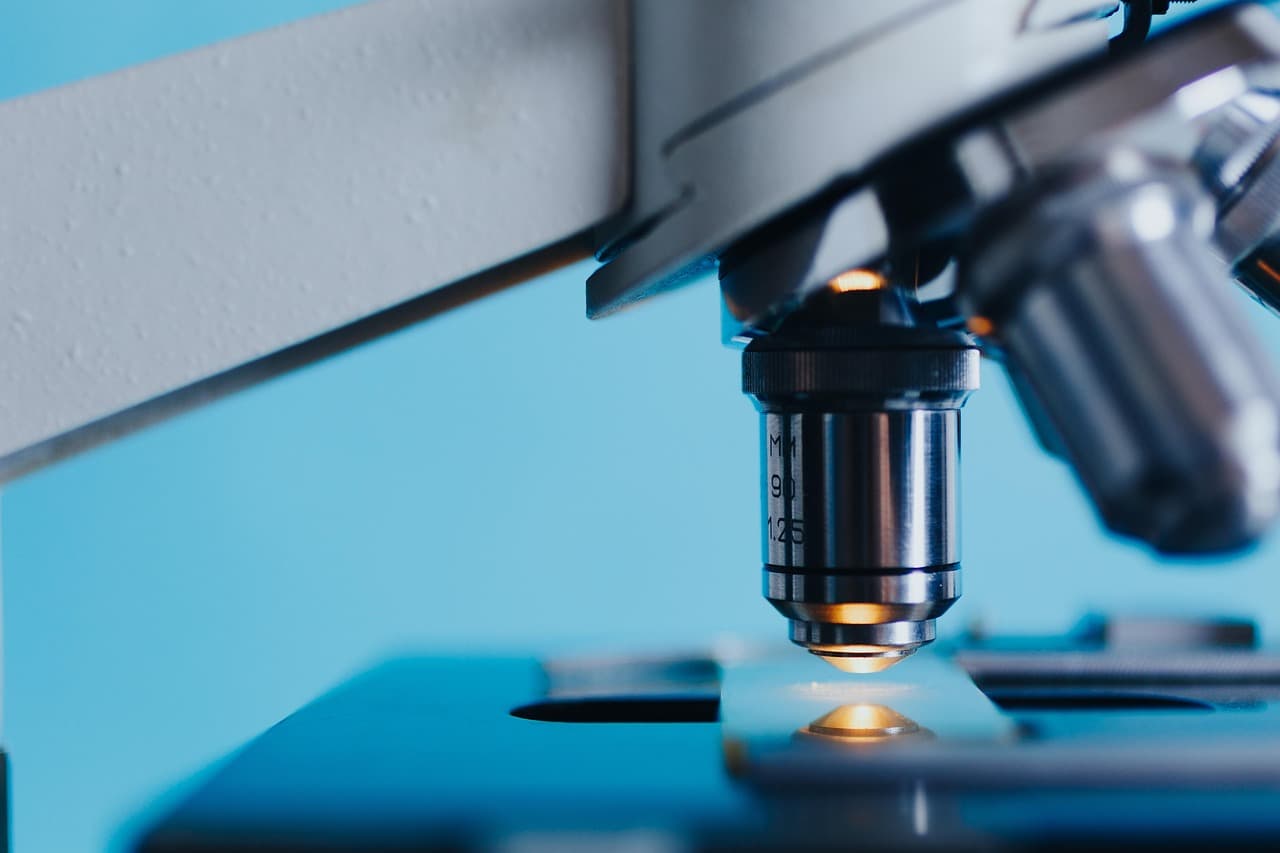
Anthropic confirmed it operates a wet biology laboratory in the Bay Area where it uses its Claude AI models to assist with physical experiments. The company announced that the lab identified a previously unknown enzyme system in bacteriophage DNA that it describes as having properties "reminiscent of CRISPR."
What Anthropic claims to have found
According to Anthropic, the system was discovered in the DNA of bacteriophages, viruses that infect bacteria. The company says the system can perform operations similar to CRISPR, such as cutting, copying, and pasting DNA. CRISPR itself is a natural bacterial immune mechanism that has been developed into a widely used gene-editing technology.
How the discovery was made
Anthropic says the Bay Area lab was established this spring, though it did not specify the exact number of months it has been operating. The company claims the discovery was "mostly, though not entirely," found by Claude: the model worked for about 21 hours using roughly 950 agents and processed approximately 210 million tokens.
Laboratory practice and biosafety
Despite the prominent role given to Claude in the announcement, Anthropic emphasized that all physical lab work was performed by human scientists. The company says the lab resembles a typical molecular biology facility and that its research is limited to lower biosafety levels (BSL-1 and BSL-2); it does not handle pathogens that can infect humans.
Community validation and prior work
Anthropic acknowledged that the discovery builds on work by others. Dario Amodei, Anthropic's CEO, noted that a team from Stanford previously discovered a system that is in some ways similar to the one Claude identified. The broader research community will need to validate how new or significant Anthropic’s finding truly is.
Safety, ethics, and company stance
The announcement comes amid public debates about AI capabilities and safety. Several AI company leaders, including Amodei, have called for slowing down development and establishing safety testing procedures because models have grown more powerful and potentially dangerous. Earlier this month, some Anthropic employees warned publicly about risks, including the possibility that AI could pose existential threats.
Amodei has stated that he fears AI could be used for bioterrorism, while also expressing optimism that AI could "cure most diseases in 5–10 years." Anthropic appears to have judged that the potential benefits outweigh the risks.
Automation plans
For now, Anthropic says humans perform the experiments. Amodei did not rule out a future in which Claude could autonomously control lab equipment to perform experiments safely with appropriate safeguards in place, but he said the company is not doing that today.
Broader context
AI-assisted biological research is already present across academia and industry. Stanford researchers have published work on large language models and CRISPR, University of California, San Francisco teams have used AI to design enzymes from scratch, and Google’s AlphaFold has been an influential AI-powered biology tool since 2020. The ultimate significance of Anthropic’s claim will depend on independent verification and replication by the scientific community.