Bill Gates, the Microsoft founder and philanthropist, sets out a cautionary view in a lengthy essay about how artificial intelligence (AI) might shape the coming years. Gates warns that without large-scale government and community action, AI’s default impact will not automatically yield a thriving society.
"This unprecedented technology demands an unprecedented global response. If we get it right, the payoff for humanity will be phenomenal and the world will be a more equitable place," Gates writes. He adds, "In terms of equity, AI will either be the greatest equalizer ever invented, or the worst source of injustice… I don’t see evidence that leaders, experts, and communities are confronting the challenges adequately. There is no plan to ease the entry into the AI era."
Why Gates thinks AI is different
A central concern for Gates is the speed and scope with which he expects AI to displace human labor. He argues many commentators underestimate AI’s economic and employment effects. "We have no experience with a technology that can be adopted quickly or that can think and move like a human… AI will take on work in law, customer service, medicine, software, and manufacturing. It will hit these industries rapidly, over the course of a decade rather than a few generations. There will be some new jobs, but without the right policies there will be far fewer than exist today… the jobs at most risk are entry- and mid-level, and the new jobs being created will mostly require skills that take many years to learn," he writes.
Economic adaptation and the ‘Human Reserved’ idea
Gates says the economy must adapt and that some tasks should be set aside specifically for humans to protect certain jobs. He calls this domain "Human Reserved." In some cases this could be done for economic reasons—preventing machines from taking roles that would displace large numbers of workers who cannot easily transition to other jobs. In other cases the decision would be driven by ethical or social considerations: for example, while a robot could technically deliver a terminal diagnosis, Gates argues it should not.
What Gates would tell politicians
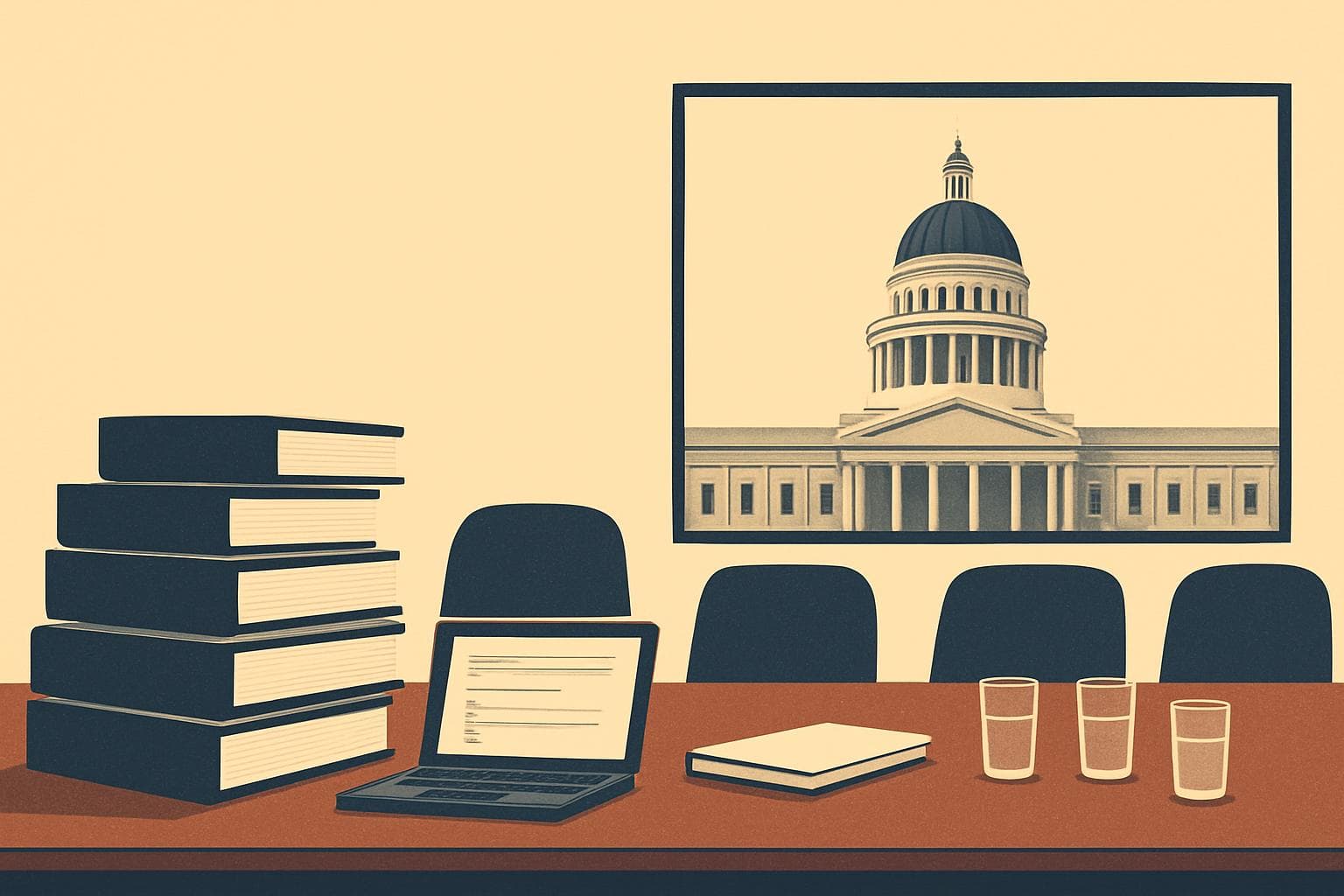
Gates urges political leaders to act now to prevent sharp rises in unemployment, community harm, and erosion of public trust. "You have a chance to act now, before unemployment rises sharply, communities are hurting, and public trust has eroded. You can make sure that your government handles the problem holistically, rather than divvying it up into multiple bureaucratic fiefdoms. You can make sure AI benefits everyone. And you can work with other governments to meet this national and global challenge," he writes.
Why this matters
The article notes that Gates’s position rests on two assumptions: that AI systems will continue to improve in the years ahead, and that they will diffuse into the economy unusually quickly. These assumptions are presented as conservative rather than extreme. The author invites readers to imagine progressing current large language models a couple of years forward and suggests that such technological and diffusion advances imply major changes in work and the economy—precisely the risks Gates highlights.
Source
For more detail, Bill Gates’s full discussion is available on the Gates Notes platform, where he explores the critical choices facing society in the turbulent AI era.