Caterpillar is extending the knowledge it gained building autonomous and remotely controlled machines for mining into broader applications across construction, quarries and its own operations. The company’s early investments in autonomy focused on mining, where labor shortages and hazardous conditions make automation particularly valuable.
What Caterpillar is offering now
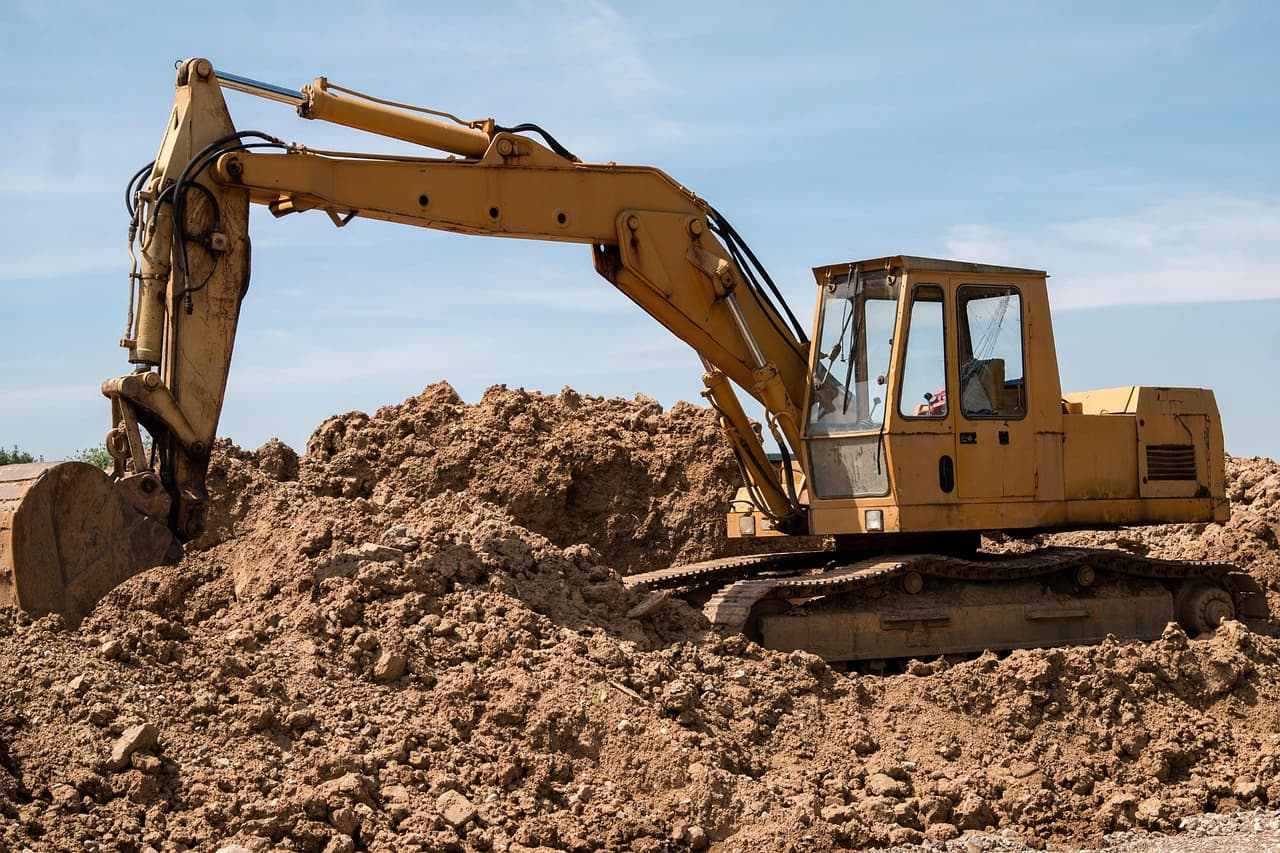
Today Caterpillar sells automated haul trucks, drilling rigs, underground loaders, dozers and remote-controlled construction equipment. It also provides software components of an autonomy stack, including command centers, fleet management and remote terrain intelligence.
Cat AI Assistant and connected-asset data
Jaime Mineart, Caterpillar’s chief technology officer, told TechCrunch at the Ai4 conference in Las Vegas that the company is taking lessons learned in mining into “much more dynamic environments” such as construction sites and quarries.
One concrete product is the Cat AI Assistant, which enables field technicians standing beside a machine to use voice commands to pull up repair procedures, troubleshoot issues and identify parts likely needed before beginning a repair. Mineart said customers, operators and technicians are already using the tool.
The assistant relies on Caterpillar’s proprietary data generated by its connected machines: the company has about 1.6 million connected assets globally and more than 16 petabytes of structured data.
AI in manufacturing, software development and enterprise operations
Caterpillar is also using AI to support site scanning and to generate digital twins in manufacturing for operational analysis. Like many companies, it deploys AI across enterprise functions and in software development. According to Mineart, Caterpillar uses AI agents to modernize legacy code, generate and test new software, and identify defects earlier in the development cycle.
Deployment challenges: integrating physical AI with workflows and people
Mineart emphasized that building autonomous technology is only part of the challenge. Deploying an autonomous machine is different from transforming a site to operate with AI: companies must redesign workflows and rethink how people work alongside automated systems. The firm relies on experienced operators to help train AI systems, drawing on institutional knowledge accumulated over decades. As machines grow more autonomous, some operators may transition from controlling a single machine to supervising multiple machines from a remote command center.
Workforce training: $100 million over five years
That transition creates an internal training need for Caterpillar’s workforce of about 118,000 employees worldwide. Mineart said the company plans to spend $100 million over the next five years to train its employees in AI, autonomy and robotics.
AI and the company’s financials
Caterpillar’s broader exposure to AI-related infrastructure is already benefiting its top line. In the second quarter the company reported quarterly revenue of a record $20.5 billion. Its power-generation division saw sales jump 72% to $3.10 billion, a trend CEO Joe Creed attributed to sustained demand for cloud computing and generative AI infrastructure.
Conclusion
Caterpillar is leveraging its mining-honed autonomy experience and extensive connected-asset dataset to expand AI into construction, manufacturing and internal processes. The company stresses that successful deployment requires not only technological development but significant workforce training and changes to onsite workflows.