In recent weeks, several prominent figures working on or with artificial intelligence have warned about the technology's rapid development and potential dangers. Among them, Dario Amodei, chief executive of Anthropic, advocated deliberately slowing the pace of AI model development to allow more time to address risks. Sam Altman and Elon Musk publicly supported that call within hours. Some political actors, such as Donald Trump, have disputed the premise that AI poses a real threat.
China Daily's critique highlighted by Tom's Hardware
Tom's Hardware drew attention to an article in China Daily, the Chinese state-run English-language paper, which downplays Amodei's proposal and questions whether the initiative is driven primarily by safety concerns. China Daily argues that the public warnings and the cross-company alliance that has emerged are at least partly a response to competition with China and an attempt by Washington to shape AI regulation.
According to China Daily, the U.S.-led effort has three main objectives:
- to slow China's advance in artificial intelligence,
- to establish a regulatory environment favorable to American companies,
- to maintain investor interest in U.S. AI firms.
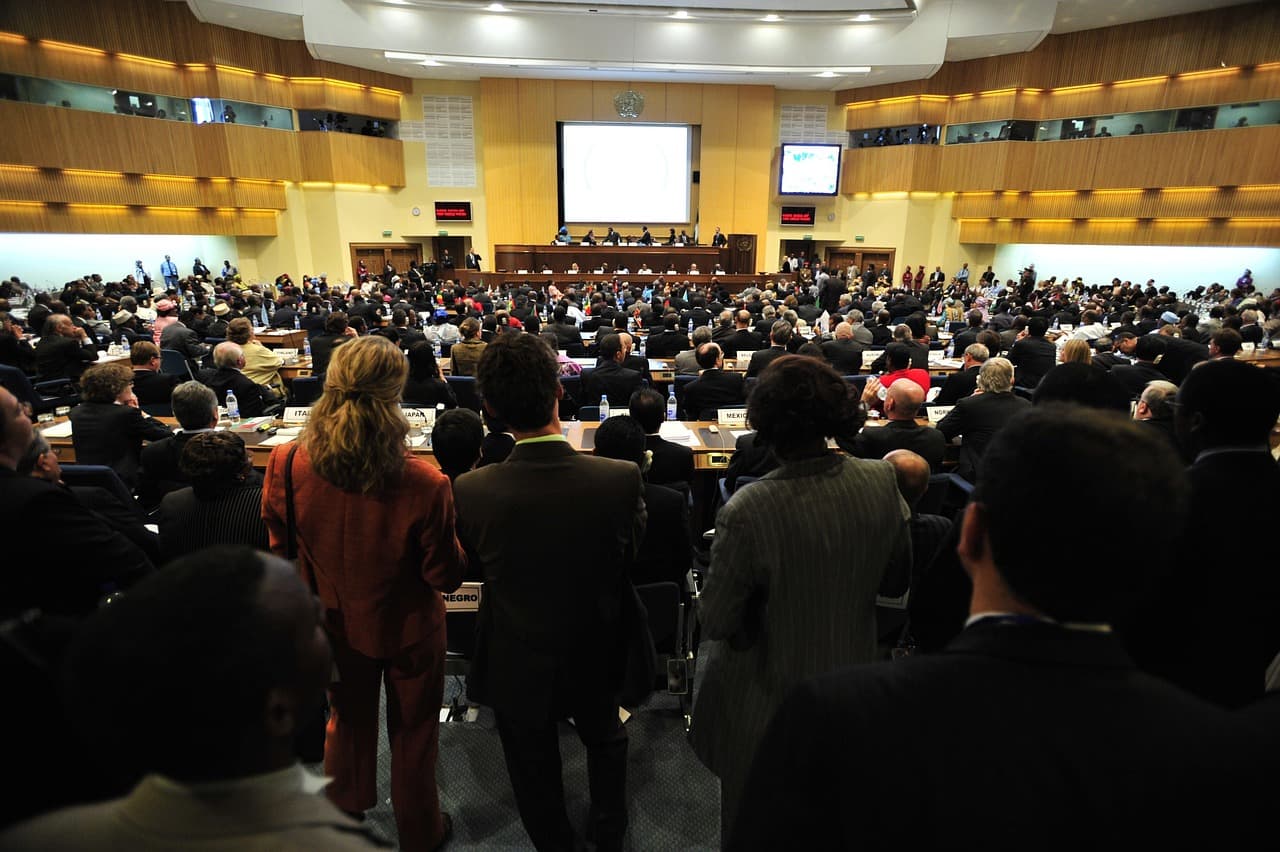
The paper contends that the grouping of companies such as OpenAI, Anthropic and xAI resembles a club setting rules in advance, before the full set of market participants is known. As China Daily put it, a "global AI safety framework" that excludes China cannot truly be considered global.
On the effectiveness of U.S. restrictions and China's stance
China Daily also argues that previous U.S. restrictions — both hardware and software measures — have not fully succeeded, citing the success of models like DeepSeek and Kimi K3 as examples that such controls can be evaded or circumvented. For that reason, the paper suggests, the United States may now pursue different methods to try to check Chinese progress.
The article notes, however, that China agrees with some of Amodei's safety concerns: AI should be overseen to prevent it from slipping out of human control. That concession indicates there is some overlap between Chinese and U.S. perspectives on the need for AI oversight, even if they interpret the motives and policy responses differently.
Why this matters
Debates over AI development and regulation carry both technological and geopolitical significance. If safety frameworks and regulatory measures are shaped by strategic competition, rather than purely technical safety considerations, that could affect international cooperation, market structures and investor behavior. The China Daily piece reflects this broader contest over how global AI governance is defined and who gets to set the rules.