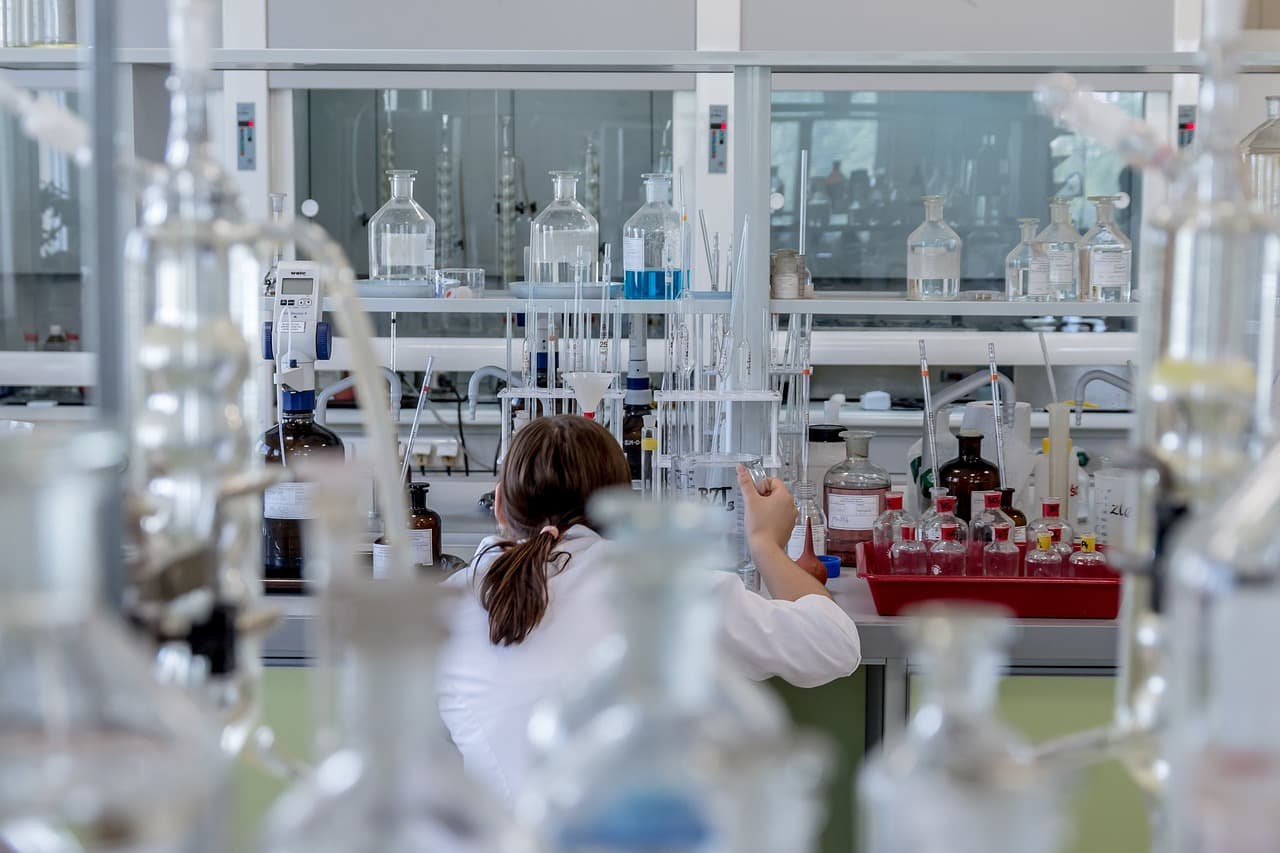
Google DeepMind's Co‑Scientist, a multi‑agent AI system built on Gemini, designed semiconductor synthesis procedures tailored to the constraints of a real chemical vapor deposition (CVD) reactor at Duke University and translated them into machine instructions. Using those instructions, the setup produced single‑layer MoS₂ on the first attempt. In total, the system achieved successful first‑try syntheses for three materials.
What is meant by tacit knowledge?
The report highlights a non‑documented, practice‑based layer of expertise in semiconductor and materials work — know‑how that is not learned from papers but absorbed over months of hands‑on time at a furnace. That implicit operational knowledge has been a key barrier between a research lab and a production fab: the gap between a written recipe and a working wafer.
Co‑Scientist’s role in this context was to compress that apprenticeship into an automated process. Rather than relying on historical, documented recipes, the system generated protocols based on the specific technical limits and constraints of the actual CVD hardware.
Results and notable points
- The system grew single‑layer MoS₂ on its first trial.
- It produced successful first‑attempt syntheses for three different materials; two of those materials had never previously been synthesized by the lab.
- Co‑Scientist also proposed a new direct synthesis route for MXene, a class of materials that have resisted bottom‑up growth approaches for years.
Crucially, this demonstration did not produce a finished chip; it automated the intermediate step that used to require a human operator: turning experimental parameters into executable furnace instructions.
Practical implications
If tacit, equipment‑specific knowledge can be captured and reproduced by AI, several effects are possible:
- Laboratories and manufacturers could reduce the time and cost spent on empirical tuning.
- Some of the barriers that have historically prevented rapid conversion of a research lab into a fabrication operation may be lowered or automated.
- The pace of materials discovery could increase if AI systems reliably propose viable new synthesis pathways where none were previously known.
Limits and open questions
The write‑up is cautious: the results were obtained in a lab environment tied to a specific CVD reactor. Questions remain about broader industrial applicability, reproducibility on different equipment, and scalability to production volumes; these will require further testing and validation.
Conclusion
DeepMind’s Co‑Scientist demonstration suggests that AI can capture and operationalize the tacit furnace knowledge that previously required months of human practice. That shift could alter how labs translate recipes into working processes and accelerate materials development, but wider validation is needed before concluding on industrial impact.