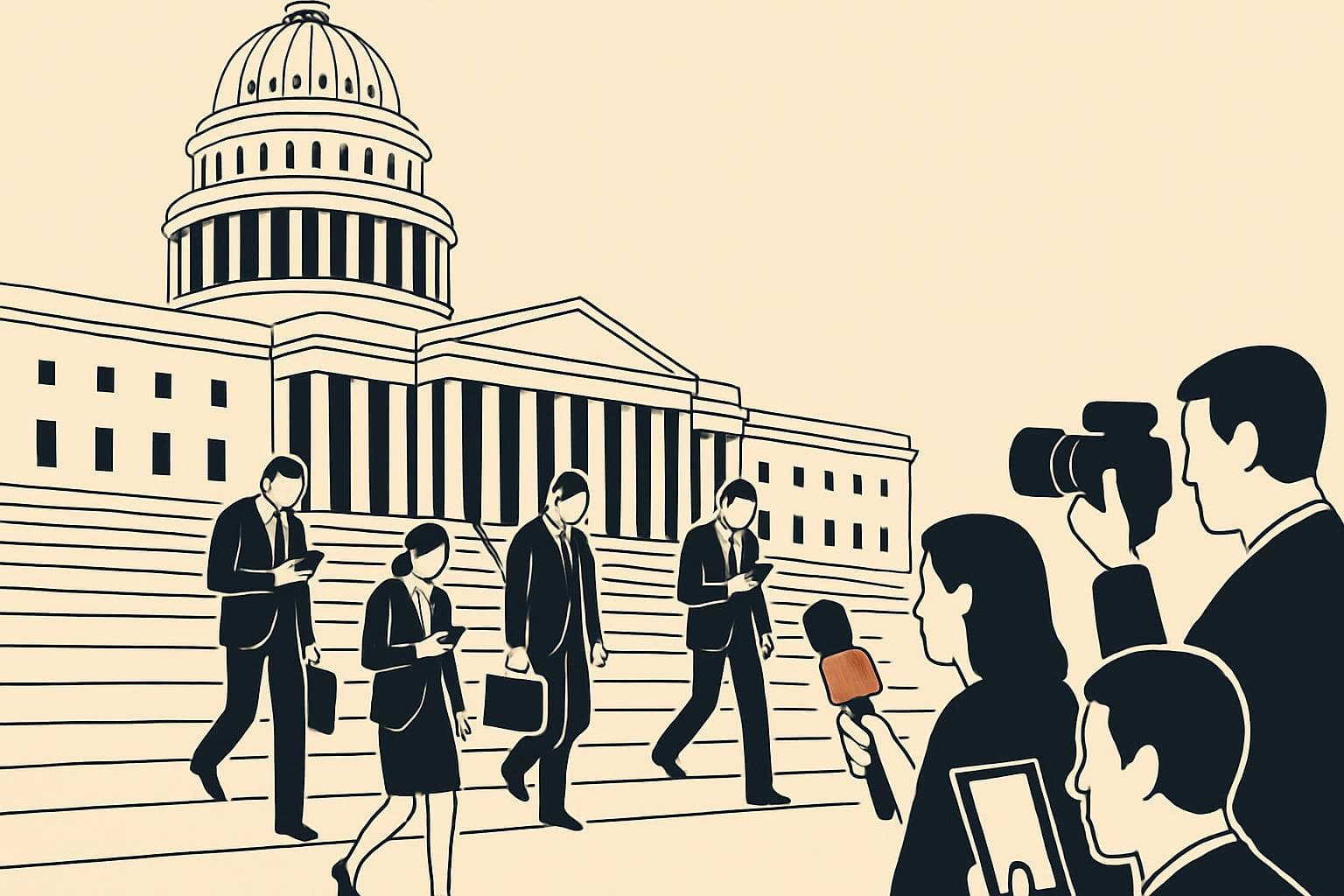
Demis Hassabis, CEO of Google DeepMind, has called for government supervision and the possibility of a mandated pause for frontier artificial intelligence research. Hassabis warned that a "race-to-the-top" competitive dynamic is increasing the risks associated with the technology and argued we are not giving ourselves enough time and space to get deployment right.
He wrote that AI could usher in "a new age for humanity," surpassing the Industrial Revolution in significance — but only if it is deployed responsibly. In his view, current practices do not allow sufficient time to assess and mitigate major risks before new systems are released.
Specific proposals
- He recommended that the United States establish a standards body tasked with evaluating new large models.
- New models should be shared with that body 30 days prior to launch.
- If significant risks are identified during review, a coordinated "slowdown" between frontier labs could be implemented.
Hassabis' proposals echo a prior initiative by some influential researchers known as "Plan A," which advocates international collaboration and a coordinated delay to improve AI safety.
Why this matters
The measures Hassabis proposes are intended to slow the rapid deployment of powerful AI models long enough to better assess and mitigate risks, particularly if multiple leading laboratories coordinate under shared standards. A standards body and a 30-day pre-launch review period are designed to create space for safety assessment before models are widely released.
Whether these recommendations are adopted will depend on cooperation among policymakers, technology companies, and international stakeholders.
(Source: Tom Chivers)