Democratic lawmakers on Thursday launched an inquiry into how the Trump administration handled export approvals for Nvidia’s chips destined for China. On the same day, Nvidia removed its founder and CEO Jensen Huang from his position; Huang also agreed to testify before a separate group of Republican-led Congressional committees.
Huang stepped down after admitting to an extramarital affair, following reports that he had a relationship with a woman accused of being a Chinese spy. He has since faced additional allegations of other affairs, including with Nvidia employees.
The woman accused of being a Chinese spy, Alice Huang, held an executive role at Megaspeed, a Singapore-based Nvidia customer that U.S. officials suspect may have been used to route advanced Nvidia chips into China. The Democratic inquiry was initiated by Rep. Richard Neal (D-Mass.), the top Democrat on the House Ways and Means Committee, and Sen. Ron Wyden (D-Ore.), the top Democrat on the Senate Finance Committee. As minority members, they can request information but lack the power to compel testimony.
In a letter to Commerce Secretary Howard Lutnick, Neal and Wyden asked the department to preserve records related to an arrangement the lawmakers describe as questionable and potentially illegal. According to the letter, the arrangement operated as follows: President Trump agreed to allow sales of Nvidia’s H200 chips to China provided chips manufactured in Taiwan were first shipped to the United States. Upon arrival, Trump allegedly imposed a tariff, "effectively taking a cut of Nvidia’s sales to China through what appears to be an unconstitutional export tax system," the letter states. The Commerce Department, under Lutnick, then issued an export license.
The letter notes that the revenue-sharing element of the deal was public: in August 2025, the Associated Press reported that Nvidia and AMD both agreed to share 15% of their revenue from chip sales to China with the U.S. government as part of arrangements to secure export licenses.
Neal and Wyden’s letter also questions why Lutnick continued to permit Megaspeed to purchase chips after reportedly being informed by U.S. intelligence of suspicions regarding Alice Huang and her relationship with Jensen Huang. The lawmakers ask why the department reportedly green-lit other Asian companies to buy Nvidia chips "with no physical presence at their listed addresses." The inquiry therefore targets the administration’s actions as much as Nvidia and Huang’s conduct.
The letter further raises questions about Nvidia’s donations to Trump projects. It points out that the export deal was approved after Trump became aware of "Mr. Huang’s compromised position" from the alleged affair, and after Nvidia donated $26 million toward Trump initiatives, including a ballroom. The Democrats appear to be asking whether Trump used his knowledge of the affair to extract donations from Nvidia.
In a Sunday interview on CBS’s 60 Minutes, President Trump said he and his team had threatened an unnamed AI executive with jail, and that the executive "totally changed" afterward.
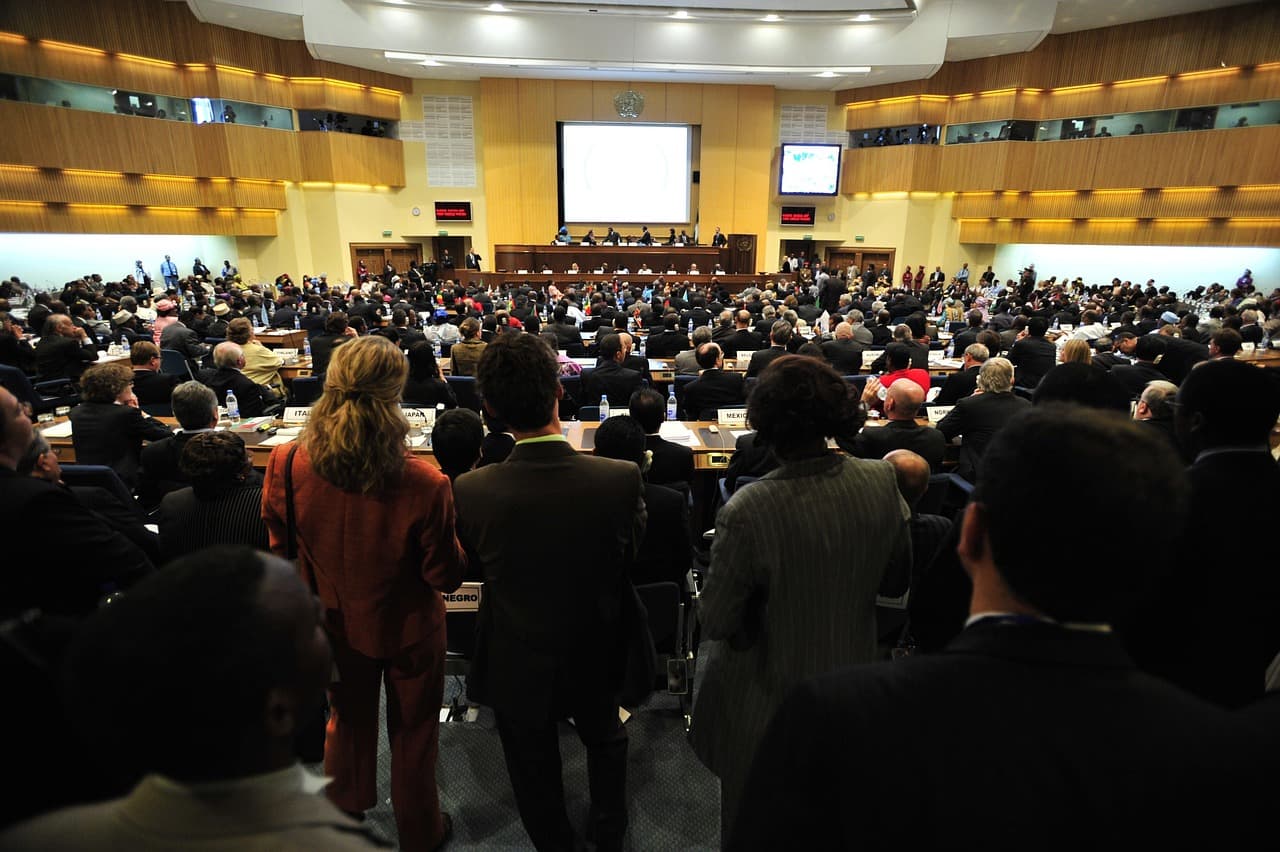
This Democratic inquiry is the second congressional probe since the revelations about the alleged spy affair. A Republican-led group — including leaders from the House Select Committee on the Chinese Communist Party, the House Committee on Foreign Affairs, and the House Intelligence Committee — has demanded that Jensen Huang testify in a closed-door session and had warned it would subpoena him if he did not comply. After Huang’s resignation on Thursday, he agreed to appear before that closed session.
The next steps include Huang’s closed-door testimony to the Republican panels and responses to the Democrats’ request that the Commerce Department preserve and produce documents. Both parties are seeking additional documents, interviews and explanations to clarify how export licenses were granted and whether corporate donations affected those decisions.
Why this matters
The inquiry aims to determine whether the administration followed legal procedures in granting export licenses and whether officials were aware of potential compromises and still approved the transactions. It also seeks to establish whether corporate donations played a role in decision-making. As minority lawmakers, Neal and Wyden’s tools are limited to document preservation requests and public pressure; nevertheless, their letter adds a formal step to ongoing congressional scrutiny. The case continues to draw political and national-security attention on both sides of the aisle.