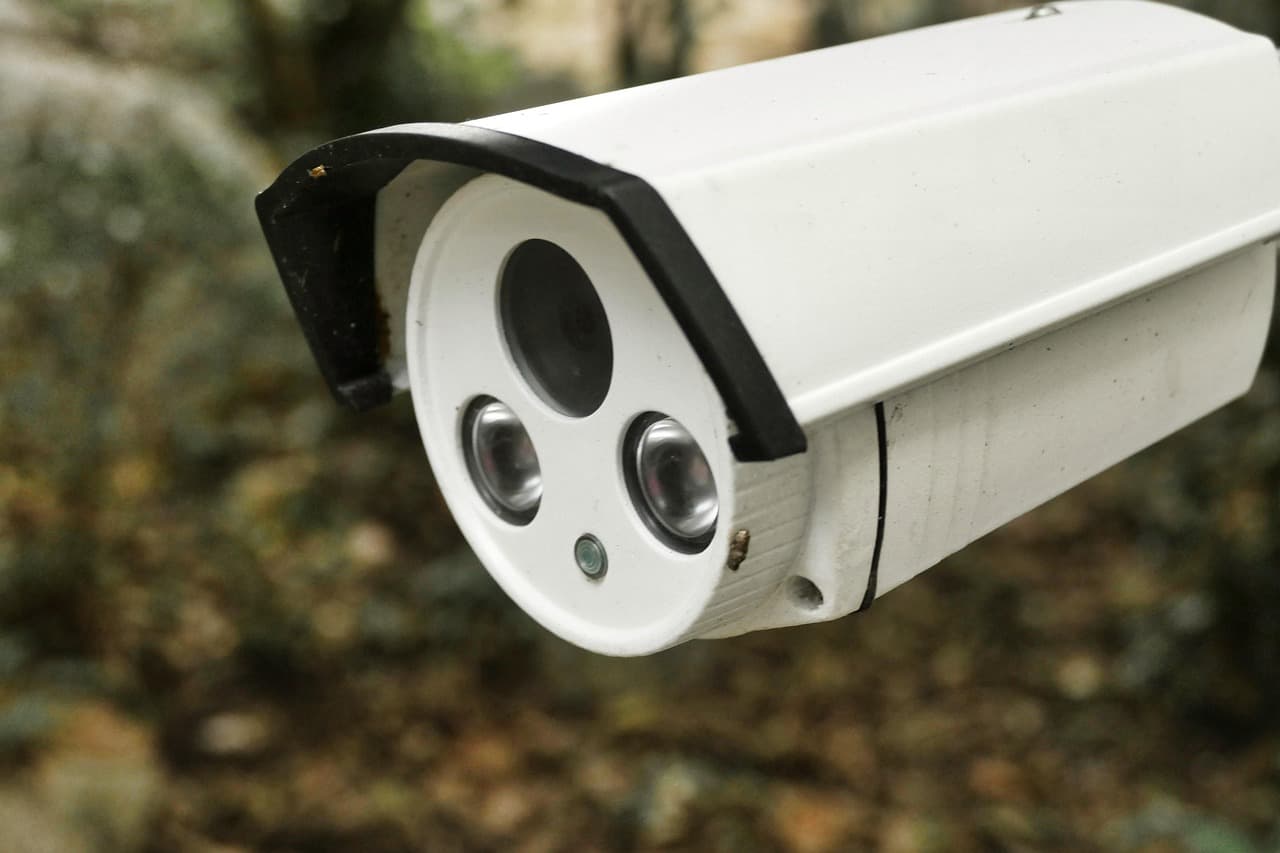
Flock’s AI-powered license-plate reader cameras have become a rising campaign issue in the 2026 midterms, joining controversial data centers as a focal point. Members of Congress and candidates from both parties are tapping into grassroots anger over the company’s widespread camera network.
Why it matters
The backlash against Flock illustrates how quickly AI has moved from a peripheral topic to the center of election-year debates. Data centers were already a major midterm issue—candidates compete to oppose energy-intensive facilities—and AI-related Super PACs have spent tens of millions of dollars fighting over how the federal government should regulate the technology. Surveillance cameras have opened a new front in that debate.
The news
Abdul El-Sayed, the Democratic nominee for Senate in Michigan, posted a video to X on Wednesday tying his Republican opponent, former Rep. Mike Rogers, to Flock cameras. In the video El-Sayed says the cameras are “any and everywhere” and collect information without people noticing; the 1980s song "Somebody's Watching Me" plays in the background. El-Sayed cited a 2013 hearing in which Rogers, then chair of the House Intelligence Committee, said: "You can't have your privacy violated if you don't know your privacy is violated, right?" The Rogers campaign did not respond to a request for comment.
Facts and company claims
- Reporting has documented public outcry against Flock and similar companies’ AI-powered license-plate reader cameras, particularly after reports of police officers misusing the technology.
- Municipalities across the country have severed ties with Flock; the company’s vast network is described as allowing law enforcement to track vehicle movements and has been reported as roughly 120,000 cameras in some accounts. Activists in some places have sabotaged cameras.
- Flock defends its practices, says it is improving privacy features and has been "listening to customers, communities, and civil liberties groups," and argues its cameras have aided roughly 1 million police investigations and helped find around 10,000 missing people.
- Political actors on both sides have reacted to the controversy.
Recent political moves and statements
- Democratic candidates:
- Kristina Knickerbocker (Ohio) said her opponent, former House Intelligence Committee chair Mike Turner (R-Ohio), "pushed for more Flock cameras in downtown Dayton," and added those cameras have been caught running thousands of searches that violated city rules. Turner's campaign did not respond to a request for comment.
- Chaz Molder, the Democratic nominee in Tennessee's 5th district, said Flock cameras represent "big government overreach" that has no place in Tennessee or the country.
- William Lawrence, a progressive Democratic House candidate in Michigan, accused politicians of cashing checks while allowing cameras to be installed everywhere.
- Legislative and congressional action: a trio of House Republicans led by Rep. Tim Burchett (R-Tenn.) introduced a bill last month to prohibit the federal government from purchasing Flock cameras or similar technology.
- Senator Bernie Sanders (I-Vt.) posted on social media Tuesday that "Flock has installed nearly 100,000 cameras across America to track your every movement" and called to "STOP AI MASS SURVEILLANCE. STOP FLOCK." (Reporting includes different counts: the company’s network has been reported as about 120,000 cameras in some reports, while Sanders used the phrase "nearly 100,000." )
Political implications
The backlash against Flock is converging with concerns about data centers to elevate AI as one of the most potent issues on the campaign trail. Jake Johnson, a Democratic House candidate in Minnesota, told Axios he was not surprised voters were upset by Flock cameras given intense feelings about data centers: "Everywhere I go I get questions about data centers," he said, adding that linking those two issues "really, really burns people."
Bottom line
Public concern, municipal decisions to cut ties, activist sabotage, and bipartisan political pushback have combined to make Flock’s camera network a salient AI-policy issue in the 2026 midterms alongside debates over data centers and federal regulation.