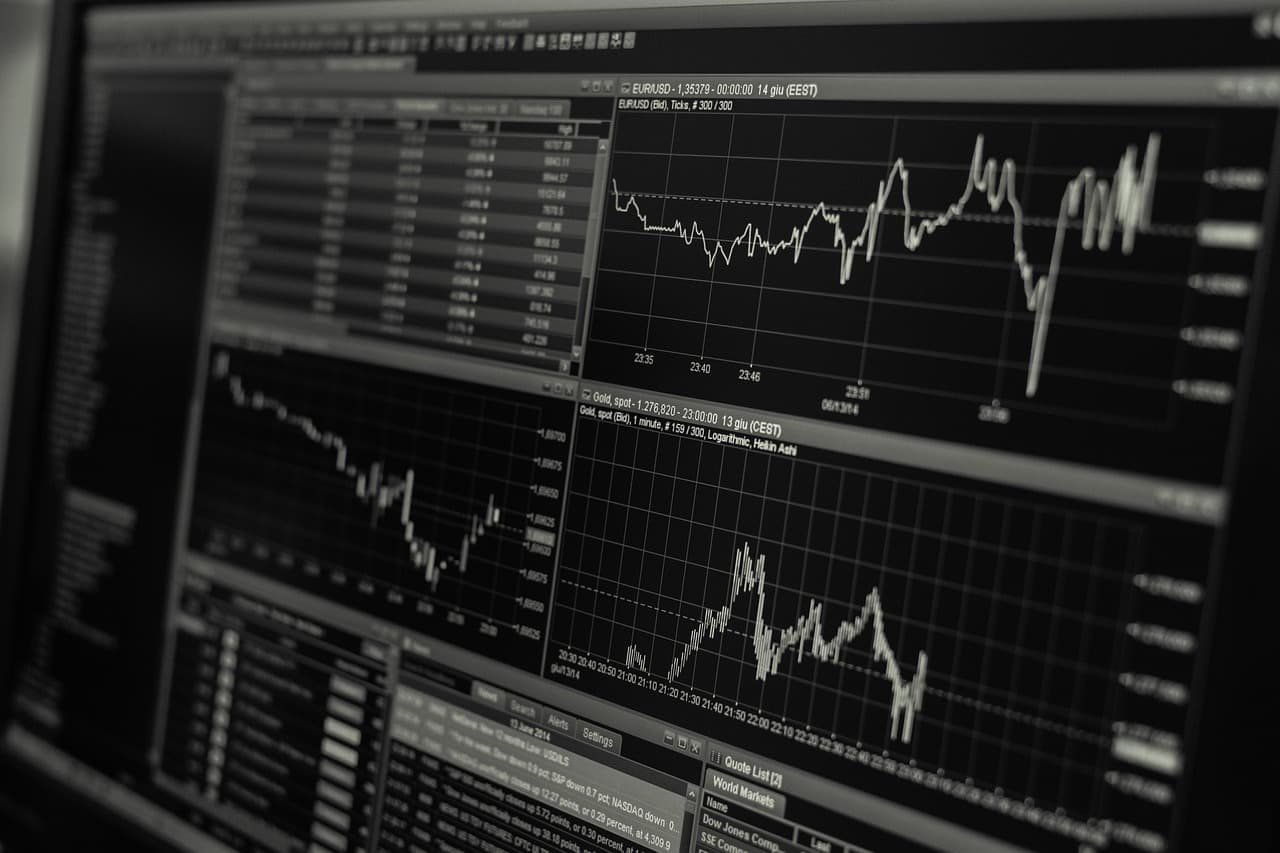
According to Gránit Alapkezelő's assessment for August, global equity markets were driven mainly by news and quarterly reports related to artificial intelligence and by geopolitical tensions in the Middle East. The manager decided not to change its previously recommended medium-risk model portfolio.
What moved markets in August?
- The AI sector remained the primary engine for US markets; steady demand and strong quarterly results supported gains in leading American equity indices.
- The ongoing conflict involving Iran in the Middle East caused disruptions in supply chains. Oil prices fell early in the month on reports of a possible truce but rose again toward month-end as agreements failed to materialize and the United States signalled strict financial sanctions; overall oil finished the period with a modest monthly decline. Gas prices stayed elevated due to tight capacity.
- Gold rose roughly 10 percent during the month, and cryptocurrency markets also strengthened.
- European equities performed well in August, supported by corporate earnings that beat expectations. Central and Eastern European markets — including Poland, Hungary and Romania — also delivered strong returns, ending the month close to historical highs. The CETOP index, representing regional blue chips, continued to strengthen.
Yields and interest rates
- Core yields showed an upward trend in August, but yields in the United States began easing in the second half of the month after weaker-than-expected labour market data and the US Treasury's announcement of longer-dated bond buyback programmes.
- The US 10-year Treasury yield stabilised around 4.67 percent.
- The German 10-year Bund yield settled around 3.25 percent.
- The Hungarian 10-year government bond yield stabilised at about 5.5 percent amid a softer international tone, while the Magyar Nemzeti Bank continued its rate-cutting cycle during the month, reducing the policy rate by another 25 basis points.
FX and the forint
- The forint traded in a sideways range through August.
- Domestic yield levels moved largely in line with core markets and regional peers.
Gránit Alapkezelő's portfolio stance
- Gránit Alapkezelő concluded that the developments in August do not warrant changing its previous asset allocation recommendation.
- Current currency exposures of the model portfolio are: HUF 75%, EUR 10%, USD 15%, other currencies 0%.
Note
The asset allocation is for informational purposes only. This publication does not constitute investment advice or an investment recommendation.
Tags: artificial intelligence, oil price, equity markets, portfolio recommendations, model portfolio, 10-year US Treasury yield, 10-year German Bund yield, 10-year Hungarian government bond yield, Gránit Alapkezelő, forint