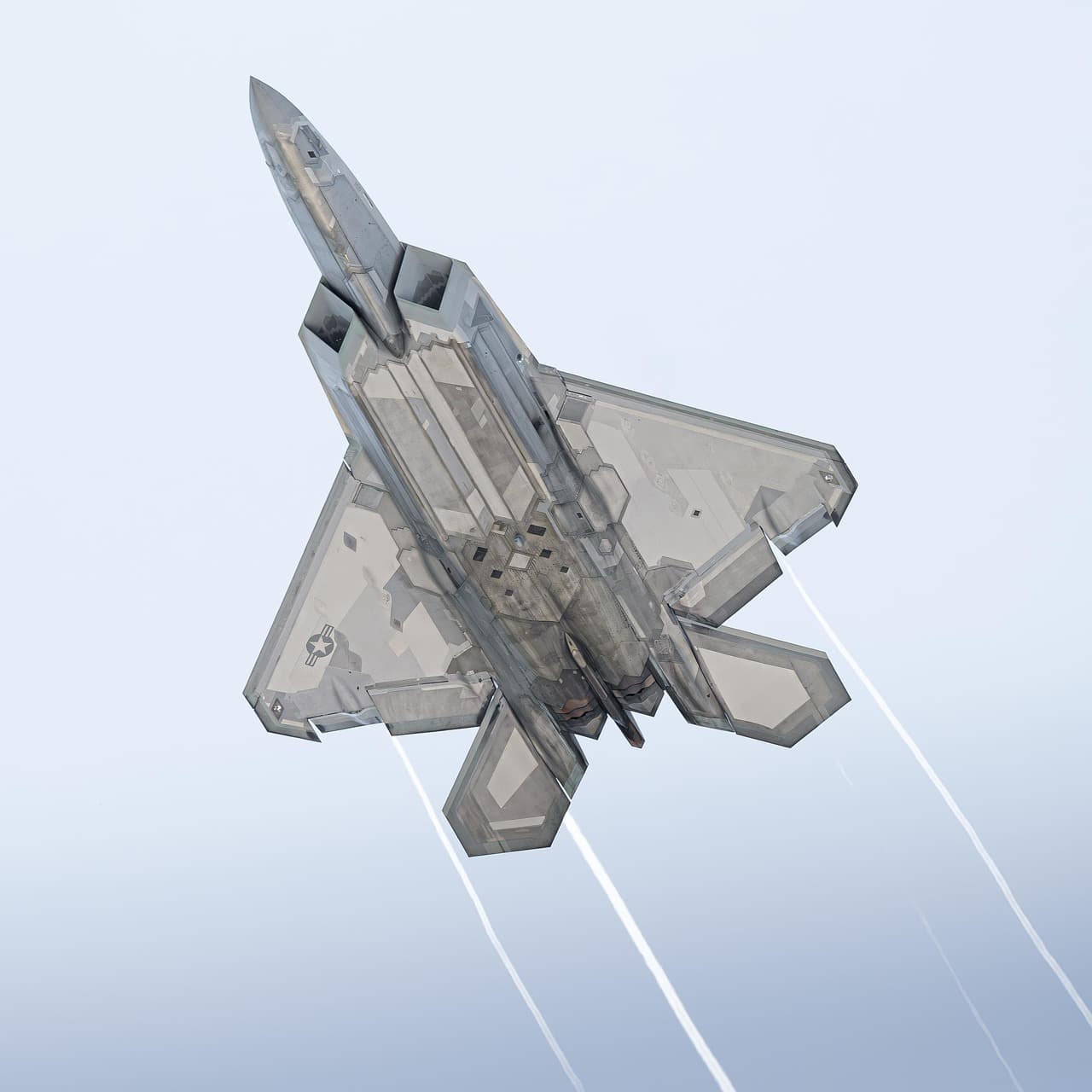
Japanese Prime Minister Sanae Takaichi and British Prime Minister Keir Starmer met in London on Sunday to discuss ways to deepen security and defence cooperation between the two countries. Central to the talks was the Global Combat Air Programme (GCAP), a joint effort by Japan, the United Kingdom and Italy to develop a next‑generation combat aircraft.
GCAP target: a new fighter by 2035
Under GCAP, the three partners aim to field a new generation fighter by 2035. At the meeting Sanae Takaichi said that the Japan–UK relationship in security and defence policy is already "close to the level of allies," and expressed hope that the partnership can be taken to the next stage. Keir Starmer reaffirmed the United Kingdom's commitment to the programme.
The parties are expected to sign the international agreement that launches the next phase of the project as early as June.
Funding uncertainties
The future of GCAP faces several uncertainties. Bloomberg reported delays in UK funding, and the programme lost a key British supporter when John Healey, the UK Defence Secretary, resigned on Thursday. Prolonged budgetary disputes in London may further complicate the timing of British contributions.
By contrast, the other two partners have already set aside substantial resources: the Italian parliament approved a $10.7 billion funding plan in February, and Japan has invested more than 500 billion yen in the programme over the past five years, with an additional 170 billion yen allocated in this year’s budget.
Broader economic and technology ties
Beyond defence, the two governments discussed strengthening economic and technological links. Plans include a new partnership to channel Japanese investment into UK research and development, with particular focus on artificial intelligence, quantum computing, civil nuclear technologies and the defence sector.
Energy cooperation: offshore wind investment
On energy, the UK government aims to attract up to £9 billion of investment into the offshore wind sector. Those projects are intended to supply power for about 8 million households, according to the plans discussed.
Why this matters
Deepening cooperation on GCAP and on broader economic and technological fronts carries strategic importance for both countries: it supports modernisation of military capabilities while fostering industrial and research ties. However, UK fiscal uncertainty and political changes — notably the resignation of John Healey — pose risks to the programme’s timeline and budget.
The London meeting reinforced political intent to cooperate more closely, but practical implementation will depend on resolving financial and political challenges in the months ahead.