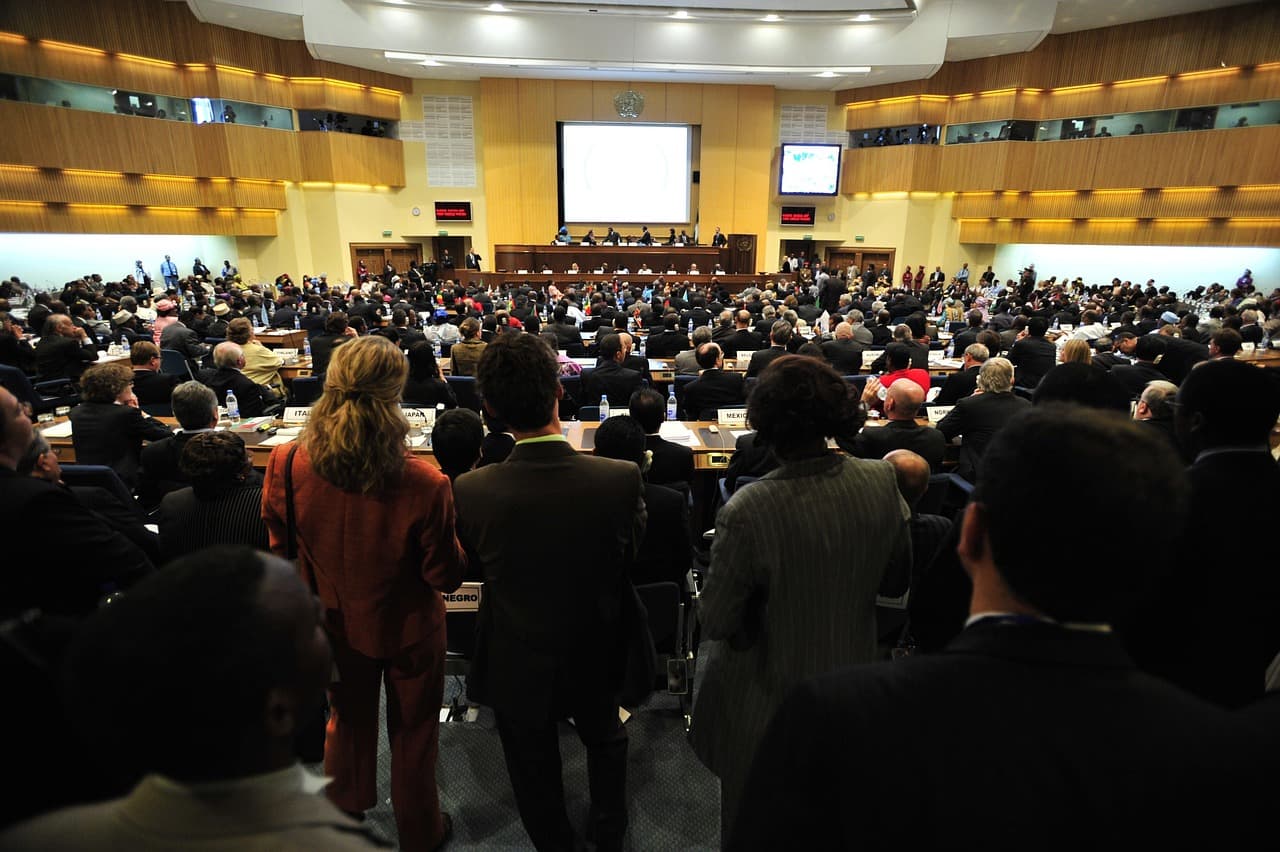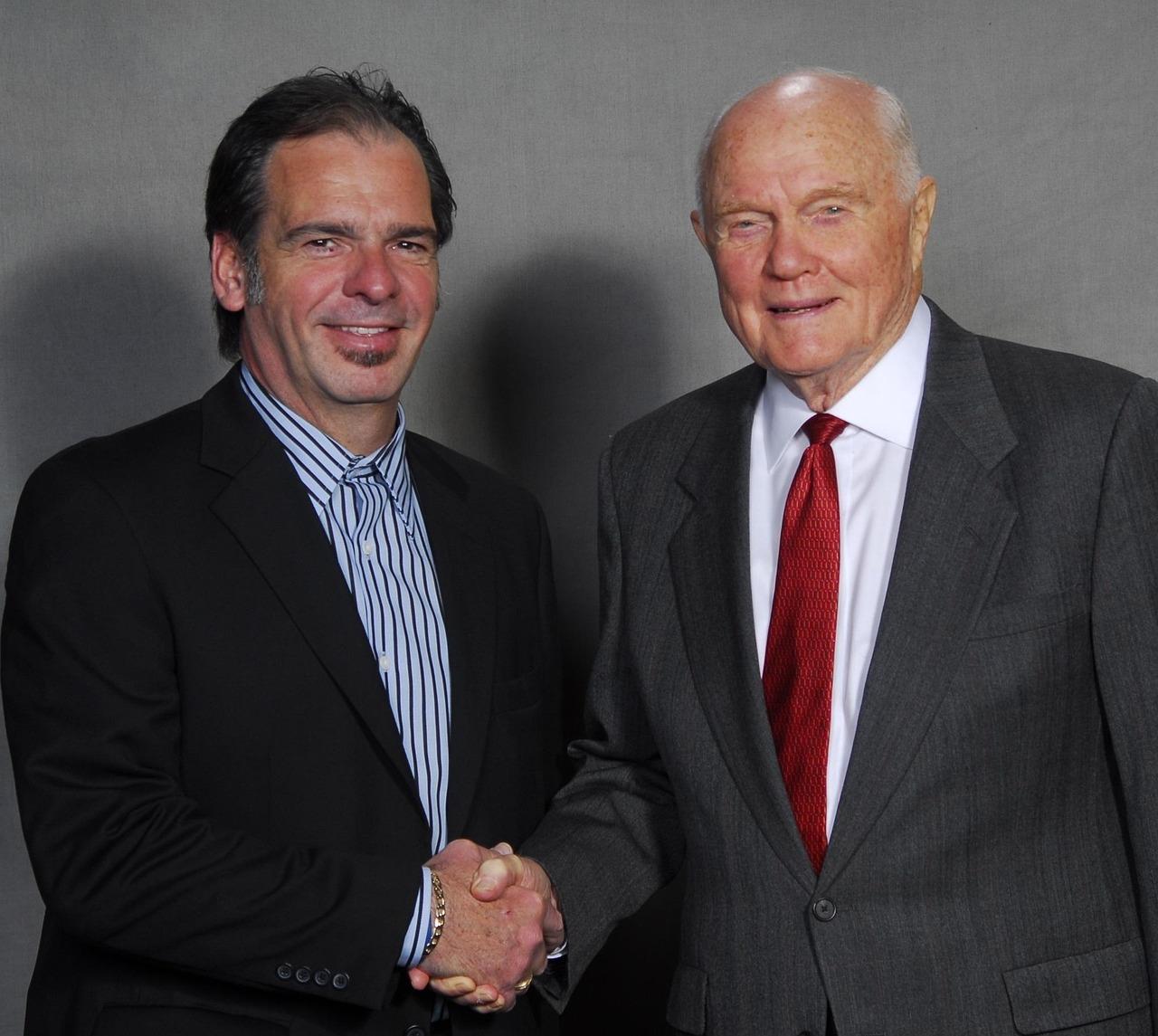
King Charles hosted a private summit on Thursday at Dumfries House, the 18th-century Ayrshire estate owned by his charitable foundation. The meeting brought together prominent figures from the technology sector and the UK government, including Jensen Huang, co-founder and CEO of Nvidia; leaders from OpenAI and Anthropic; the United Kingdom’s new AI minister Kanishka Narayan; and the head of the UK’s foreign intelligence service. Paolo Benanti, who advises the pope on AI, also attended.
The king delivered remarks lasting about 20 minutes before leaving the participants to continue their discussions. In his speech he warned that AI’s rapid development and its substance are “both intriguing and deeply concerning,” and urged those present to find ways to control AI “before it’s too late.” He noted that AI is already demonstrating “immense capacity to improve and save life,” citing medicine and science, but cautioned that creators are increasingly warning the technology could develop “darker capacities, perhaps even to take life.”
King Charles also stressed the urgency of considering the “existential dangers” should the technology fall into the wrong hands and be used in potentially catastrophic ways. He concluded by saying the task before industry and policymakers is not merely to advance technology but to ensure it remains firmly in the service of humanity, community, and the natural world, and that embracing the new must not sacrifice what is timeless.
Representing OpenAI at the summit was Sarah Friar, the company’s chief financial officer, while Anthropic was represented by Tino Cuéllar, who leads global affairs. Cuéllar later said the company was honored to take part in the discussion and thanked the king for convening industry leaders and voices from across society to discuss AI’s role in serving the public good.
The king’s remarks echoed recent events in the AI sector. In the days before the meeting an Anthropic researcher resigned publicly, warning that companies were "racing to build machines that are much smarter than any human" and suggesting humanity "may not survive this." Anthropic has also recently restricted access to its Fable and Mythos models so they are available only to U.S. customers, a move that revived conversations about AI sovereignty in Europe.
The debate over how quickly to develop powerful AI remains contested. This month Sam Altman of OpenAI, Elon Musk and Dario Amodei of Anthropic called for a deceleration in AI development, while Jensen Huang and U.S. President Donald Trump quickly rejected those calls. President Trump said, “We’re leading China in AI,” adding he wants the United States to remain the most sophisticated country in the world because, in his words, “whoever wins AI, wins.” These conflicting positions illustrate the complexity that arises where big tech interests, political priorities, and societal concerns intersect.
King Charles has spoken about the challenges and benefits of AI before, in 2023 and 2024, but this private summit comes at a particularly timely moment as AI continues to shape industry and public debate. The meeting underscored the need to harness AI’s benefits while building international cooperation and consensus to manage its risks; industry participants continue to weigh those considerations even as questions about IPO timing and commercial strategy remain.