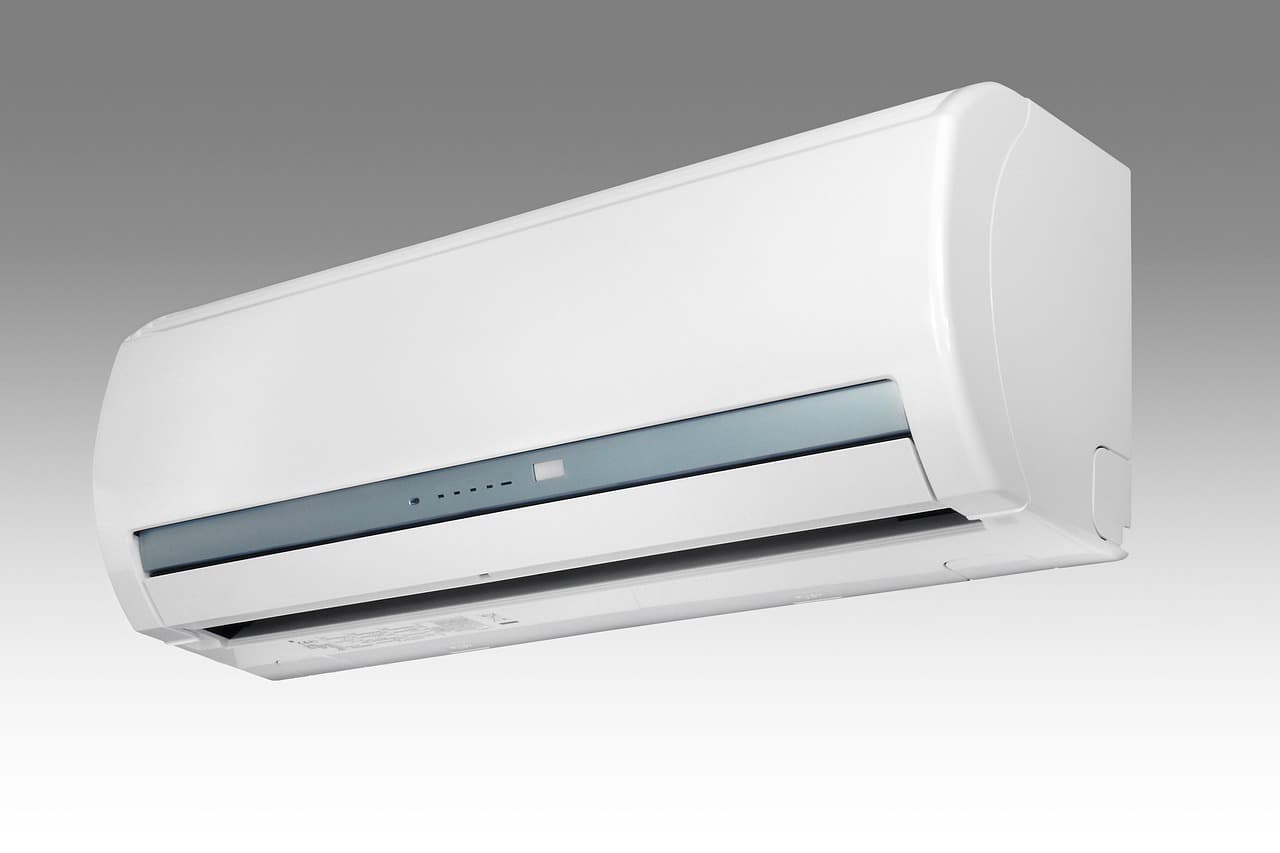
LG Electronics (LG) is expanding manufacturing capacity for liquid cooling systems used in AI data centers by building a new air-cooled chiller factory in the United States and increasing production lines at two facilities in South Korea.
New factory in Virginia
LG will establish an air-cooled chiller manufacturing plant in Windsor, Virginia. The site covers about 170,000 square meters, and the facility will have a gross floor area of approximately 30,000 square meters. The plant will focus on producing air-cooled chillers tailored to AI data-center requirements, with production expected to begin in the first half of 2027.
North America is a strategic market for LG: the company notes that more than half of the world's AI data centers are located in the region, and Virginia hosts many leading technology companies' data-center operations. Local production capacity is intended to improve supply security and enable faster responses to rising regional demand, while serving as a strategic base for LG's North American expansion.
South Korea: Pyeongtaek and Changwon expansions
In parallel with the U.S. investment, LG will expand air-cooled chiller production lines at its Pyeongtaek and Changwon plants in South Korea. To increase efficiency, the company will introduce conveyor-based production systems optimized for high-volume manufacturing, allowing products to move along a single production line through the entire manufacturing process. This is designed to simplify workflows and raise productivity.
LG plans to invest a total of KRW 150 billion in the new U.S. plant and the South Korean capacity upgrades.
Integrated "Chip-to-Chiller" solutions and technologies
Beyond capacity growth, LG is building on its "Chip-to-Chiller" strategy by expanding its integrated thermal-management portfolio. In addition to chillers, the company offers Coolant Distribution Units (CDUs) and direct-to-chip (DTC) cooling plates that remove heat generated by chips. DTC liquid-cooling circulates coolant through cold plates that contact chips directly, efficiently extracting heat from high-performance processors.
Integrating cooling control systems, software, and power-infrastructure elements aims to improve energy efficiency and data-processing performance. Leveraging its existing technology portfolio and business relationships, LG is pursuing additional AI data-center projects in North America in cooperation with major global cloud providers and technology firms.
In Asia, LG follows a "One LG" approach that aligns HVAC (heating, ventilation and air conditioning) technologies with the group's battery technologies and capabilities in data-center design, construction and operations.
Market outlook
Market researcher Omdia projects global data-center capacity will rise from 226 GW in 2026 to 420 GW by 2030 — a 194 GW increase. Approximately 60 percent of that expansion is expected to occur in North America, supporting the rationale for LG's regional investments.
Executive comment
"We continuously advance our cooling solutions for AI data centers, from product technology to expanding manufacturing capacity," said James Lee, president of LG's energy solutions business (LG ES Company). "Building on these strengths, we ensure reliable supply and respond effectively to rapidly growing market demand."
What this means for the market
LG's investments aim to secure local and global supply resilience and provide integrated thermal-management systems for AI-data-center operators. The Virginia plant's planned start in the first half of 2027 and modernization of South Korean production lines are intended to increase production flexibility and shorten delivery lead times.