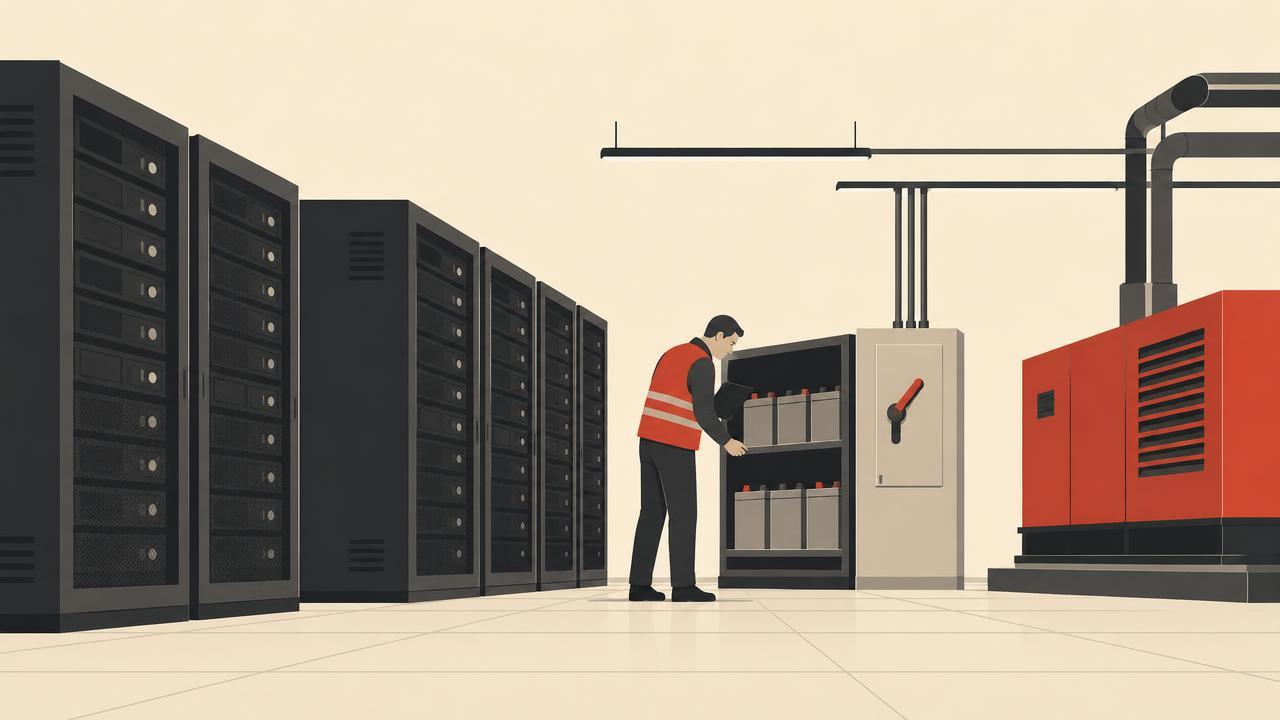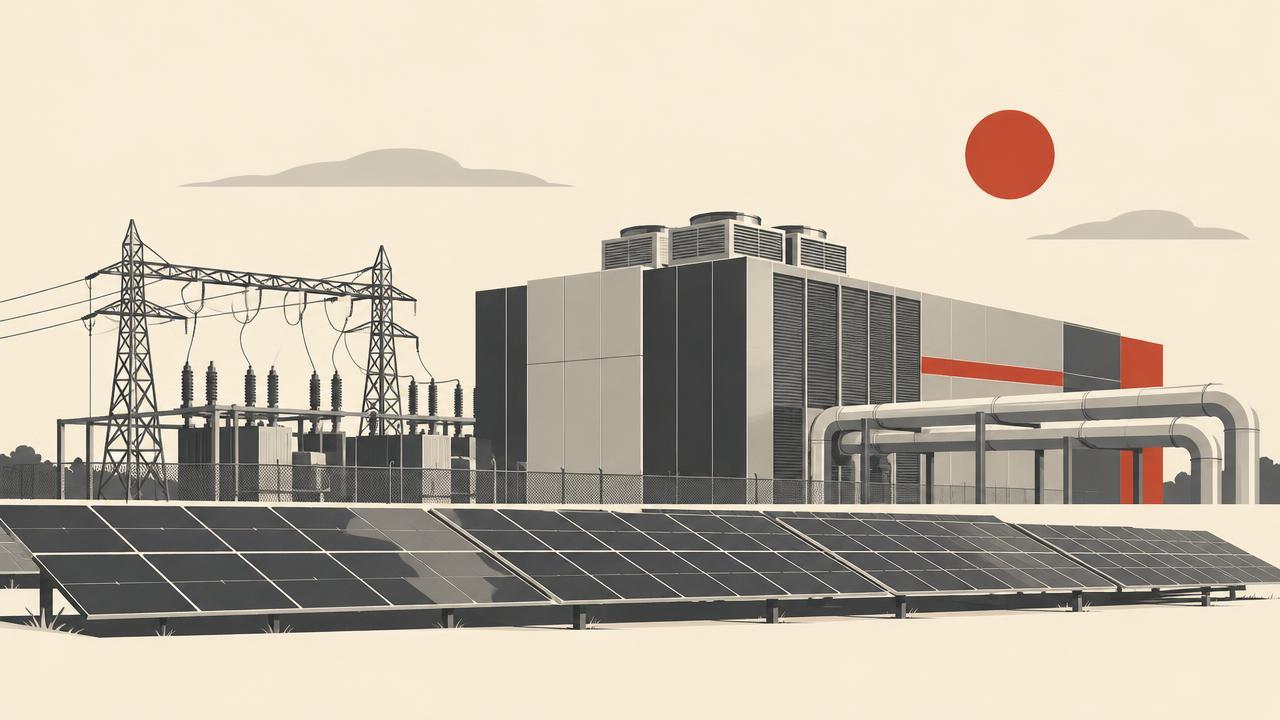
Meta is reviewing its commitment to reach net-zero greenhouse gas emissions by 2030 after its emissions rose 45% last year. Its newly released sustainability report shows that the expansion of infrastructure needed for artificial intelligence is outpacing efficiency gains.
The company announced the 2030 goal in 2020, when it was still known as Facebook and before the generative AI boom. Executives now say they are re-evaluating the commitment, but have not specified what changes they are considering or when they will decide.
Other technology companies have also reported rising emissions as they race to build data centers, but Meta has gone a step further by explicitly reviewing its climate deadline. Its electricity use rose 35% last year, a rate comparable to that of other major technology companies. Its 45% emissions increase, however, far exceeded the increases reported by Google at 18%, Amazon at 16% and Microsoft at 25%.
Rachel Peterson, vice president of data centers, and Blair Swedeen, global head of net zero and sustainability, said the company had expected steady growth, falling clean-energy costs and broader system changes that would allow progress at the intended pace. The reality, they said, had proved more complex.
Clean energy and natural gas
Meta says it has contracted more than 30 gigawatts of clean energy, including nuclear, solar and geothermal power. Less than half of that capacity is generating electricity so far. While technology companies continue to invest heavily in clean energy, the competition to lead in AI may push their climate goals into the background.
The report says Meta may turn to natural gas plants to power its data centers when utilities cannot deliver electricity quickly enough. Such projects are already underway. The company is also seeking to offset some methane emissions associated with its natural gas use by paying for cleaner gas production elsewhere.
Last year's 45% emissions increase does not yet reflect the full impact of some major planned gas projects, suggesting the company's footprint could grow further. In Louisiana, utility Entergy is pursuing seven new gas-fired units with a combined capacity of more than 5,200 megawatts to serve Meta's data centers. In Ohio, regulators have approved a 200-megawatt gas plant built specifically for Meta's data centers. Research firm Cleanview has identified another gas project under construction for Meta in Utah, with a capacity of 521 megawatts.
Rising water use in stressed regions
Water use can be a more immediate concern for communities near data centers. Meta's direct water consumption fell 4%, but its consumption in highly water-stressed regions rose 24%. Estimated water consumption associated with generating its electricity increased 37%, before accounting for the effect of clean-energy purchases.
Natural gas plants typically require substantial amounts of water for cooling. Greater reliance on gas could therefore increase Meta's indirect water footprint even as its data centers become more water-efficient.
Alex de Vries-Gao, a researcher at Vrije Universiteit Amsterdam who has studied AI's environmental footprint, gave Meta credit for transparency because it is the only technology giant to disclose water consumption associated with electricity generation.
The review of the 2030 target raises the question of whether other large technology companies will also revise their environmental commitments as AI continues to expand.