AI-backed super PACs delivered uneven results in Tuesday’s midterm elections. The Guardrails Alliance PAC, which advocates for AI regulation, reported that its spending targeted five candidates — all of whom lost — while larger AI-affiliated committees saw both wins and losses among their preferred candidates.
Who spent what and what happened
-
Leading the Future, an AI advocacy group, spent $4.8 million supporting Republican Darline Graham’s bid to fill a Senate seat vacated after the death of her brother. Graham was defeated; the victorious Democrat Annie Andrews referenced Graham as “Data Center Darline” during the campaign.
-
Additional general-election spending by Leading the Future contributed to Rep. Jared Moskowitz (D-Fla.) winning re-election despite redistricting. However, several Republican House candidates backed by the super PAC were unsuccessful, according to Wired.
-
Public First Action, another major AI-related super PAC linked to Anthropic, spent approximately $20 million in the general election. That investment helped elect winners including Rep. Valerie Foushee (D-N.C.) and incoming members Brian Poindexter (Ohio), Manny Rutinel (Colorado), and Scott Wiener (California). Republicans backed by Public First’s network did not prevail.
-
Guardrails Alliance announced it spent more than $3.1 million opposing five candidates; all five lost. The PAC’s stated mission is to promote rules and frameworks for AI governance.
Ballot measures on data centers outpaced PAC influence
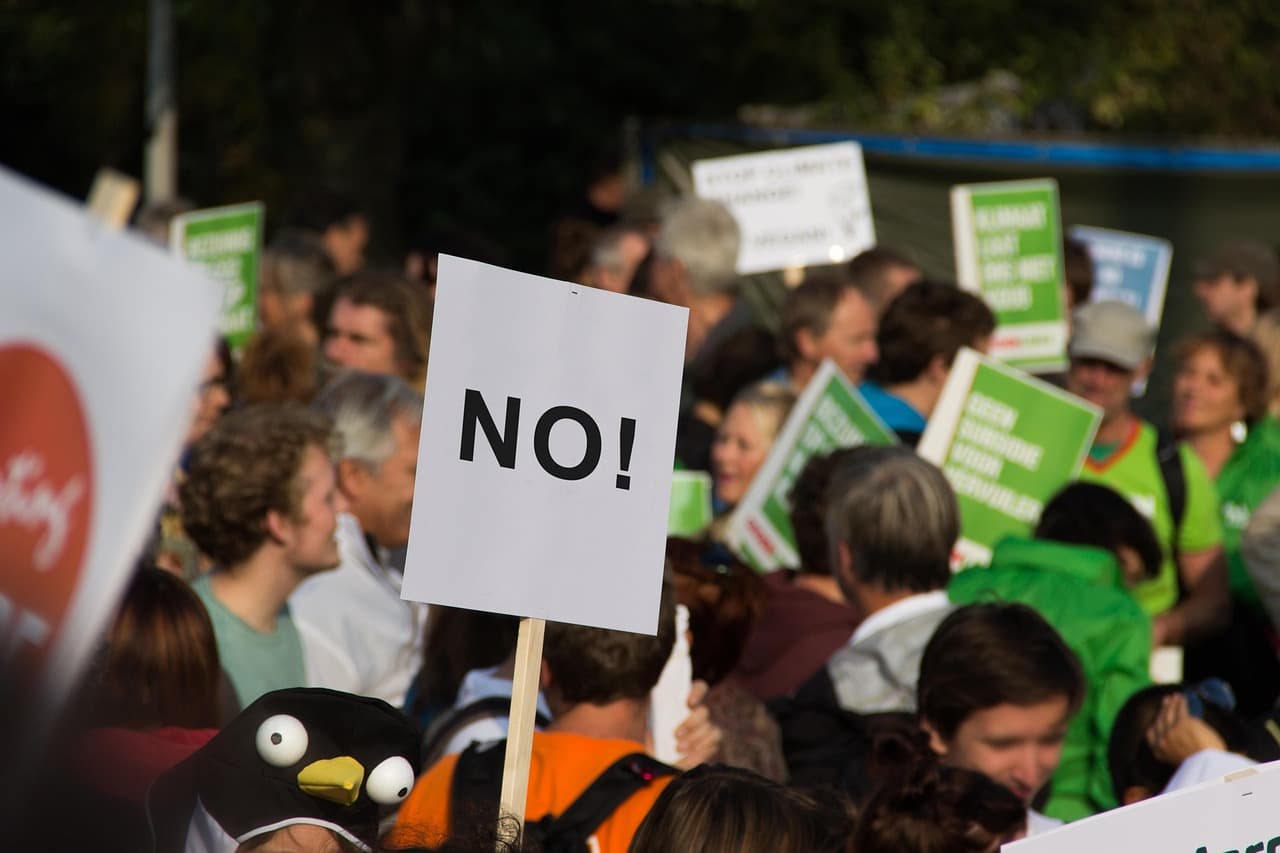
A notable AI-adjacent outcome was the success of roughly 40 local ballot measures that curb data center development across the country on Tuesday. These measures indicate strong local resistance in some jurisdictions and have prompted hyperscaler companies to reassess how to proceed with projects and how to reframe their messaging.
A Republican operative told Semafor that Leading the Future had been surprised by the scale of voters’ support for those data center measures and had not allocated resources to fight them.
Responses from the groups and next steps
Leading the Future spokesman Jesse Hunt said the group was proud that many of the pro-innovation champions it supported won this cycle. He described the organization’s investments as an effort to build a durable coalition capable of advancing a national regulatory framework, unleashing American innovation, and protecting workers, families, and communities.
Hunt added that the effort would span multiple election cycles and suggested the 2028 cycle will reveal which actors are serious about passing a national AI regulatory framework versus those who will politicize the issue.
Why this matters
The midterms illustrated that campaign spending by AI-aligned organizations can influence some federal races but does not guarantee outcomes, especially when local voters mobilize around land-use and environmental concerns. The passage of many data center restrictions shows that community-level decisions can blunt the influence of well-funded national PACs and force tech companies to change tactics.
The future impact of AI-focused political spending will depend on how these groups adapt their strategies, how they respond to local concerns, and how national conversations about AI regulation evolve.
Article synthesized from reporting by Ashley Gold and statements from involved organizations.