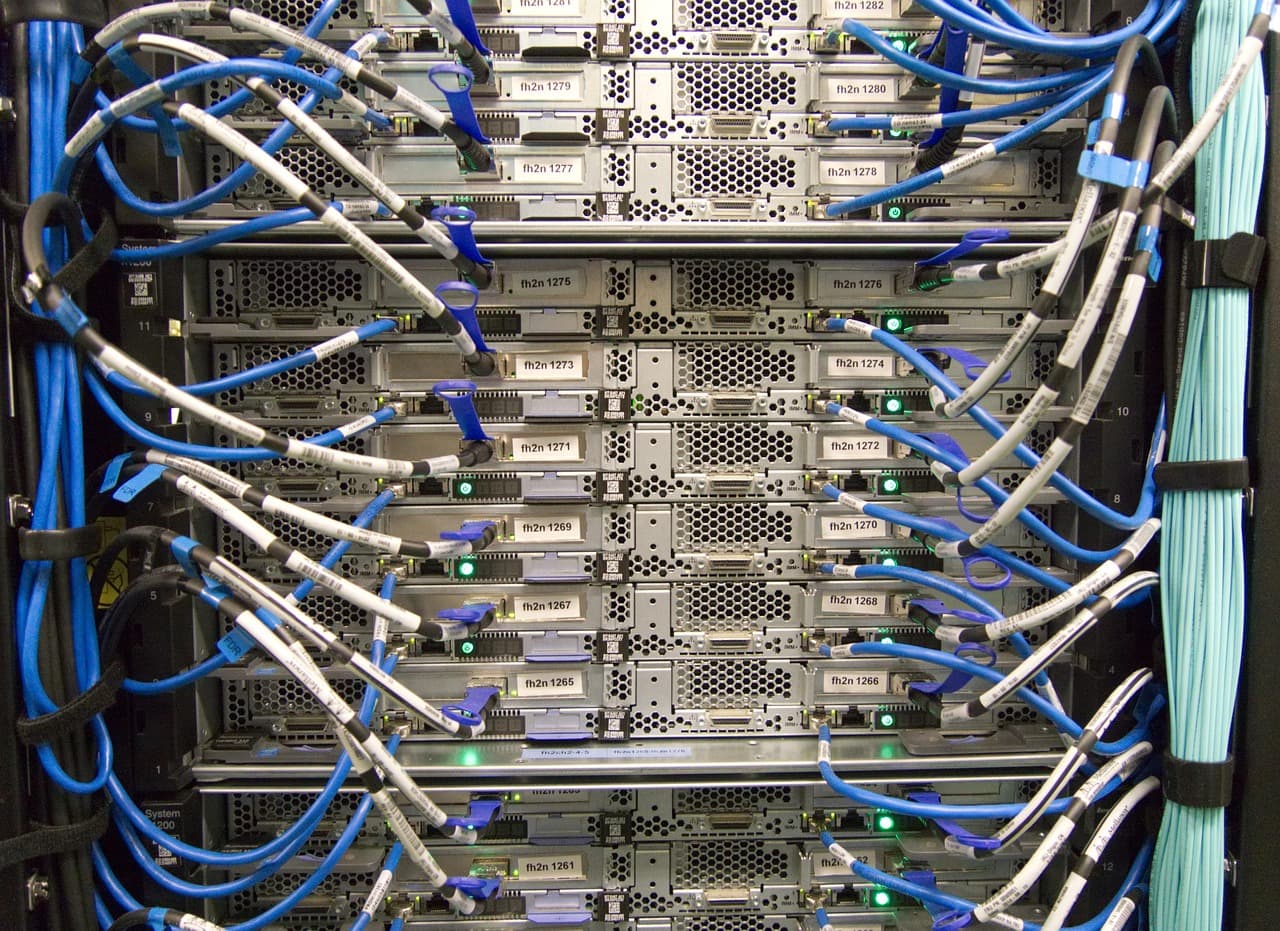
The New York legislature has approved a one-year moratorium on permitting new large data centers — defined in the measure as facilities drawing at least 20 megawatts. The stated purpose of the pause is to give the state's environmental agency time to prepare a report quantifying how much electricity, water and land these sites consume and how much pollution they produce.
What the law requires
- During the one-year pause, the state environmental agency must compile an assessment of resource use and environmental impacts associated with these data centers.
- After the pause, any developer seeking approval will be required to fund a public hearing three months prior to receiving permission.
If Governor Kathy Hochul signs the bill by December, the action would represent the first statewide move of its kind.
Practical implications
A one-year moratorium with a mandated study is not an outright ban. It formally delays approvals for a year while regulators gather information. At the same time, the grid operator is already reviewing 24 proposals that together total over 9,000 megawatts; those projects reflect capital and development momentum that may not be delayed by a twelve-month pause. As a result, some investment and construction activity could shift to other states with more permissive policies.
The example of Maine was noted: Maine attempted a ban earlier this year, but that proposal was vetoed by the state governor. That episode underlines how political and administrative dynamics can affect efforts to restrict or regulate new data-center construction.
Why this matters
The measure focuses on facilities with high electricity and water demands and significant land use. The pause is designed to produce a better understanding of the environmental footprint of large data centers before additional permits are granted, while highlighting the tension between regulatory caution and ongoing market demand and investment pressure.
In brief
New York's legislature has imposed a one-year pause on approvals for new data centers that consume at least 20 megawatts, pending a state environmental review of their resource use and pollution. After the pause developers must fund a public hearing three months before approval; the measure would become fully effective if Governor Kathy Hochul signs it by December.