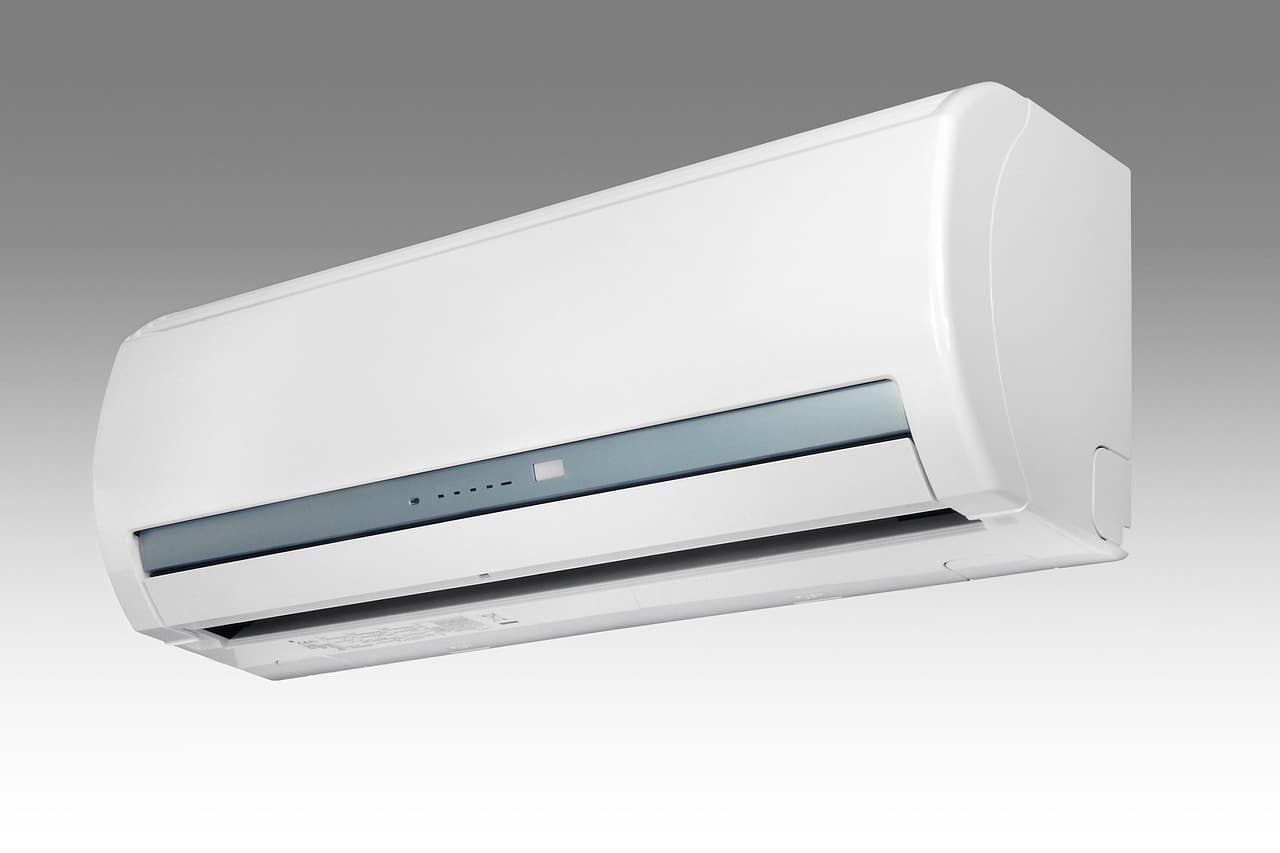
With support from Nvidia, Span is testing a concept that places compact AI compute units, called XFRA, on the exterior walls of homes and small businesses. The XFRA units look like typical utility equipment from the outside and draw unused grid capacity through Span smart panels.
How the system operates
Under the proposed deployment model, XFRA units are mounted directly to building exteriors and resemble other outdoor utility boxes such as air-conditioning condensers or power converters. The devices rely on Span smart panels installed in the building; when present, XFRA units tap the available, unused electrical capacity provided by those panels to power their computing workloads.
Span has already begun testing the units in new communities, so the idea is moving beyond concept to experimental deployments.
Scale and cost claims
Span estimates that 8,000 XFRA units deployed together could approximate the compute capacity of a 100-megawatt data center. The company also states that this approach could be deployed six times faster and cost about one-fifth as much as a conventional data center build-out.
Why this matters
The initiative illustrates that AI infrastructure is expanding beyond large centralized facilities: compute is becoming smaller, distributed, and integrated into everyday building infrastructure. Power panels, rooftops and neighborhood electrical capacity could all become part of the compute supply chain, bringing deployments physically closer to residential and small-business environments.
Conclusion
The Span–Nvidia collaboration is an example of how AI compute is being embedded into non-traditional locations. Early tests and the company’s published estimates point to potential efficiency and speed advantages, while signaling a shift in how and where compute capacity may be provided.