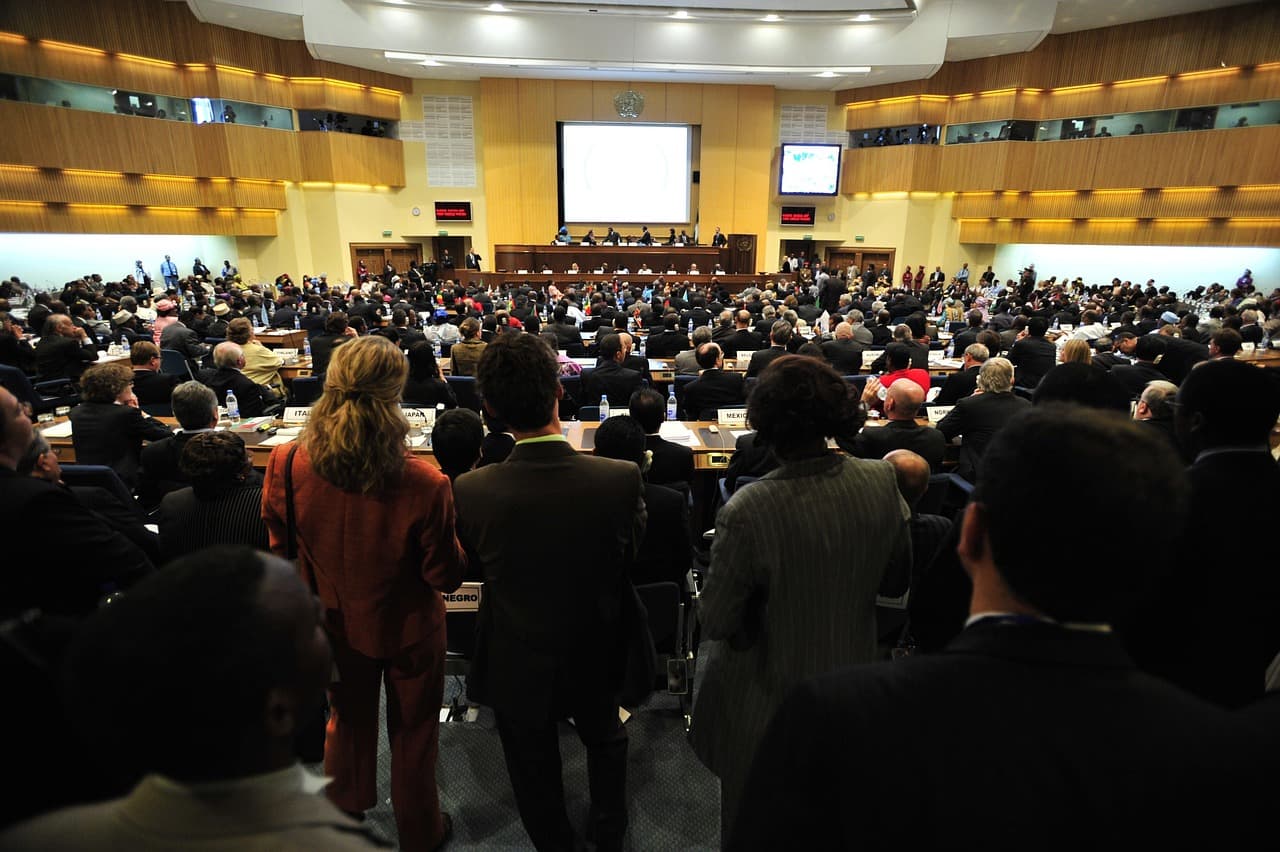
Pope Francis began a three-day visit to France on Friday, with Paris as the first stop. During the opening day he spoke at the presidential Élysée Palace and later at the UNESCO headquarters in Paris.
The 71-year-old pontiff used both addresses to highlight the ethical dangers posed by artificial intelligence (AI). He warned that if we want to avoid losing our humanity in a "machines' paradise"—a world where machines penetrate and shape daily life—there is an urgent need to educate people in ethical judgement so they can recognize what is morally right.
At the UNESCO event, Pope Francis asserted that new technologies must remain at the service of people and must not become "another instrument of domination and injustice." He also noted that certain artificial systems have been endowed with the name of human cognitive ability—intelligence—and cautioned that as we increasingly attribute intelligence to computer systems, we risk neglecting human dignity. He said people are often judged by their efficiency and productivity, and if they are no longer "valuable" by those measures, they are effectively "discarded."
The visit is the first papal trip to France in 18 years. One of the major events of the three-day program will be a large outdoor Mass on Saturday afternoon at Place de la Concorde, near the Champs-Élysée in central Paris, to be celebrated by the pope.
Why this matters
The pope's remarks redirect public and policy attention to the ethical dimensions of technological progress, stressing that moral education and the protection of human dignity should accompany technical advances. His interventions are likely to influence ongoing debates about AI regulation, education, and ethical guidelines both in France and internationally, as governments and institutions consider how to keep technology in the service of people rather than allowing it to exacerbate inequality or marginalization.