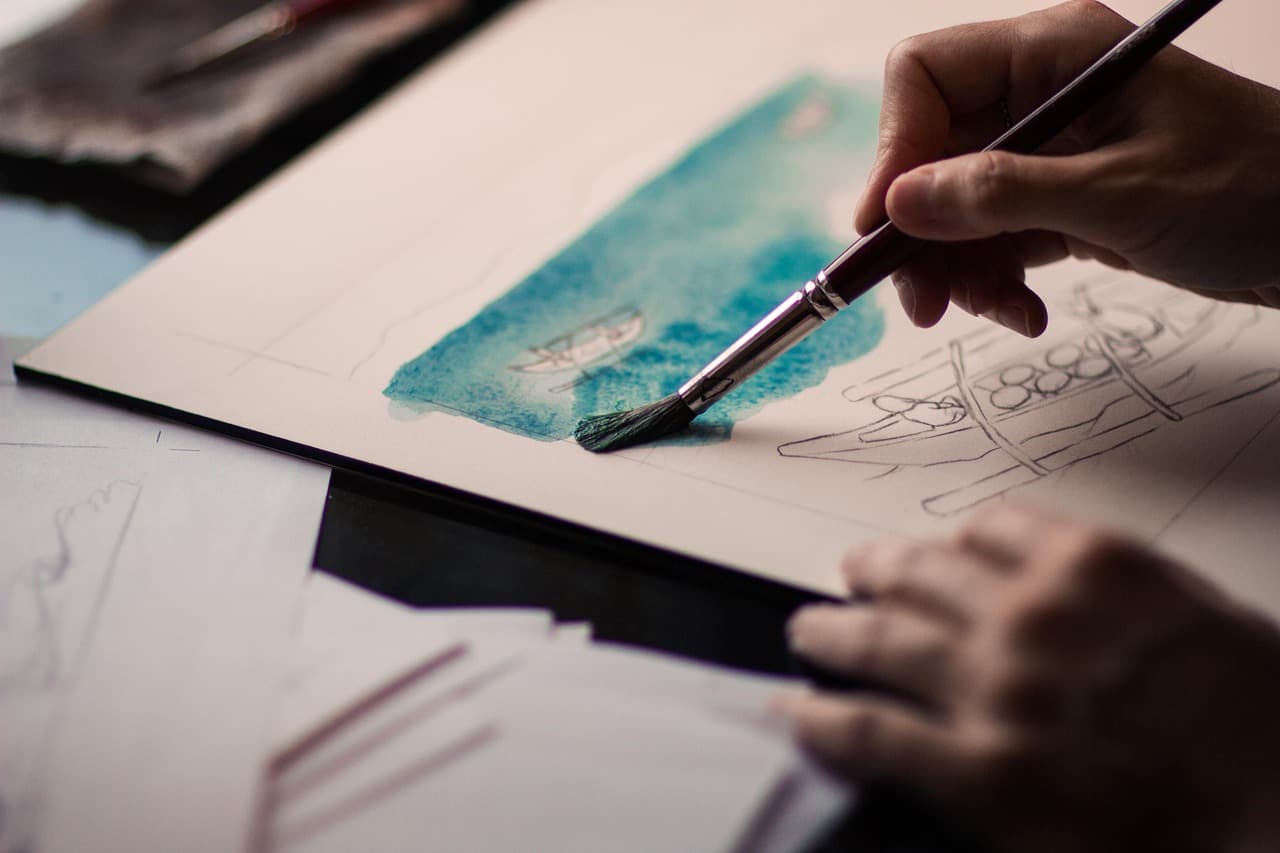
Pope Leo XIV (Episcopus Romanus, Primatus Italiae, Summus Pontifex Ecclesiae Universalis) wrote on X on Friday that art created by humans must be distinguished from works generated by artificial intelligence, and he urged protection of human artistic creation in the face of growing automation.
In his post, the Servus Servorum Dei wrote: “In this era of artificial intelligence, it is becoming urgent to distinguish human art from what machines produce.” He argued there is “an ontological difference, even before an aesthetic one, between art and what a machine can generate through statistical calculation based on millions of images created by others. Algorithms lack the spark of humanity.”
Pope Leo XIV had previously addressed AI in an encyclical letter published in May, where he emphasized safeguarding human dignity in an increasingly automated world.
Engagement with technology companies
According to reporting by The New York Times, technology firms including Anthropic have lobbied the Vatican to reconsider its stance on non-human consciousness. The report indicates Anthropic actively sought to influence the Vatican, but apparently with limited success.
The pope’s statements underscore how religious and ethical leaders are engaging with the rapid expansion of AI, particularly in cultural and artistic domains where technology is reshaping traditional creative processes.
Why this matters
The pope’s views carry weight beyond theological debate because the Catholic Church has global influence; such pronouncements can shape public discourse and inform regulatory and ethical discussions. By stressing an ontological difference and the protection of human dignity, the pope adds a moral argument to ongoing conversations about how society should treat AI-generated works while technology companies press to shape the ethical and policy frameworks surrounding them.