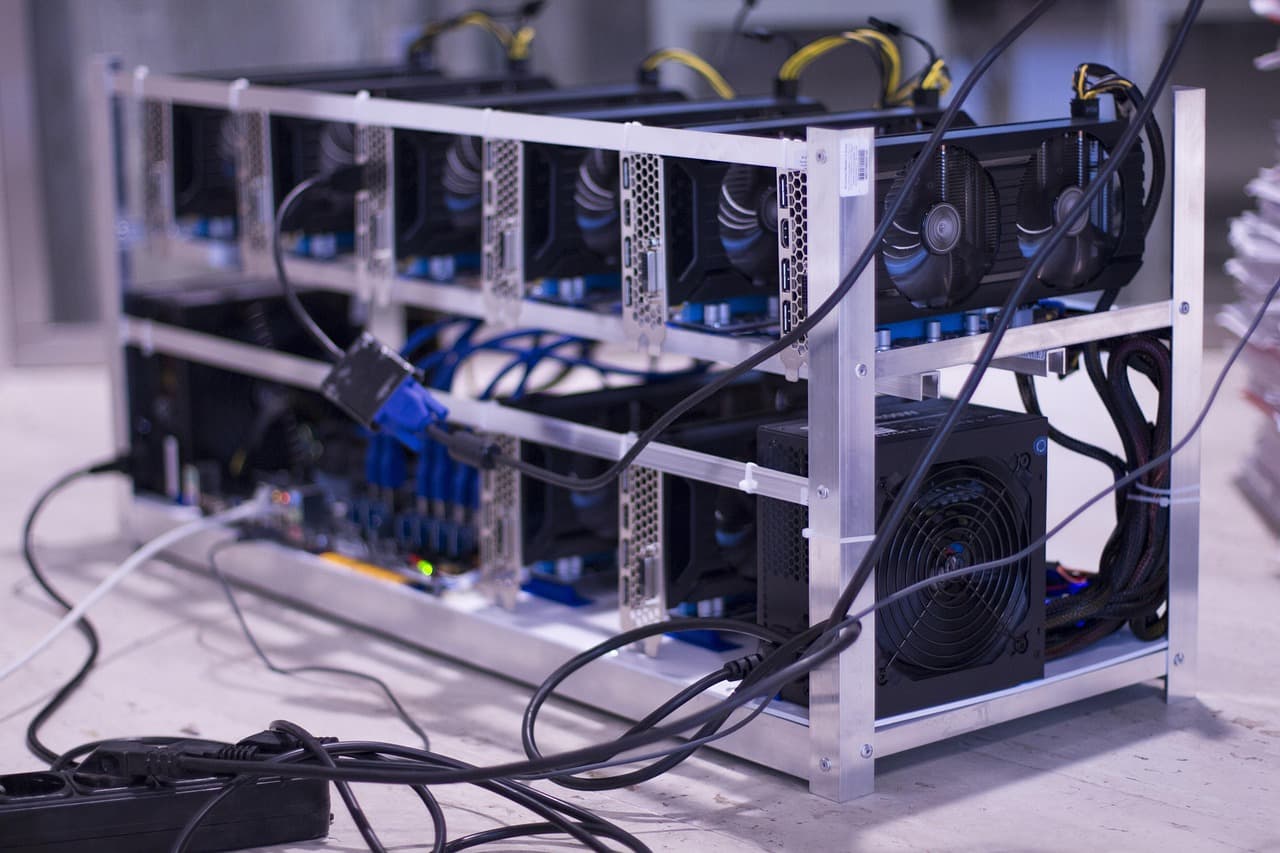
AI infrastructure company Runware is moving from prototype to factory-scale plans for its Sonic Inference Pod, a modular data-center unit built in a factory and shipped ready for installation. The company told TechCrunch it intends to operate a production-line factory that assembles these pods similarly to how cars are produced.
Production targets and timeline
-
Flaviu Radulescu, co-founder and CEO of Runware, said the company aims to scale its Romania-based factory to produce 30 megawatts of data-center capacity per day by 2028, roughly translating to nearly 1 gigawatt per month. At that pace, the company would produce in about a year an amount comparable to the roughly 10 gigawatts the U.S. was expected to add to data-center power this year.
-
Runware already has two factories: one in operation for several years to build pods, and a second whose construction began earlier this year. The second facility is expected to be completed within months and go online early next year. Production will ramp gradually starting next year.
How the model works
-
The pods will be manufactured on an assembly line. Customers can provide their own site for assembly, or Runware can source a site for them. The company aims to bring a pod online within 48 hours — this refers to installation and setup time, not the manufacturing cycle.
-
Runware says that whereas a pod previously took three weeks to build, production scale-up will reduce build time to about one day. The company will supply spare parts for component failures. Customers can rent compute from Runware or install their own GPUs and pay a monthly fee for pods and operations; power and internet are billed separately.
Configuration and component sourcing
-
Pods use a standard design but can be configured to customer requirements and the latest GPU chips. Because GPU lead times can be long, Runware says its faster pod delivery gives it time to adapt infrastructure to incoming hardware. The in-house hardware team can design, build, and test components for new GPU generations.
-
Some components, such as pumps and fans, are sourced from Germany, and Runware continues to rely on Nvidia for networking. Managing suppliers, inventory and logistics will be critical for the planned scale-up.
Market interest and financing
-
Radulescu stated that since offering Sonic pods to outside customers a month ago, Runware has received about $1 billion in committed interest, representing over 20 megawatts that the company is now working to deliver.
-
To date Runware has raised more than $60 million. It completed a $50 million Series A in December and plans to raise a Series B, though it intends to finish and launch the factory with the Series A funds for now.
Risks and mitigation
-
Execution remains the major test: the factory will require significant staffing, inventory, supply-chain coordination and capital. The article references Arrival, the electric vehicle startup that struggled with cost-effective mass production despite high valuations, as a cautionary example.
-
Radulescu argues Runware’s cost structure differs: the company aims for cost-effective factory staffing relative to the value of deployed AI compute, designs its own systems, and buys widely available, affordable parts. He said they recruited an experienced plant manager from the automotive industry to work with their chief of hardware to improve execution.
Energy, siting and environmental considerations
-
Runware’s pods use closed-loop liquid cooling with air-cooled radiators for heat rejection, which the company says removes the need for a water connection; only power and internet are required. The company is working with power providers on a site pipeline that covers 397 megawatts with potential expansion to 1.2 gigawatts.
-
According to Runware, the sites typically already have power and are smaller than those used by hyperscalers such as Amazon, Microsoft and Google, so they should not unduly strain local grids. The pods are said to be silent up to about 86 degrees Fahrenheit (≈30 °C), and the company aims to use renewable energy sources whenever possible.
Next steps
- The immediate plan is to bring the new factory online early next year and then expand into the United States and other regions. Runware’s view is that factory-built modular systems will become the standard for large AI deployments and allow customers to plan hyperscale data centers around pods that can be operational in months rather than years.
Conclusion
Runware has set ambitious production and deployment targets for its modular AI data-center pods and is positioning factory-style, assembly-line manufacturing as a way to speed deployments and control costs. The success of the plan will hinge on delivering the planned factory output, securing components and staff, and converting expressed customer interest into completed deployments.