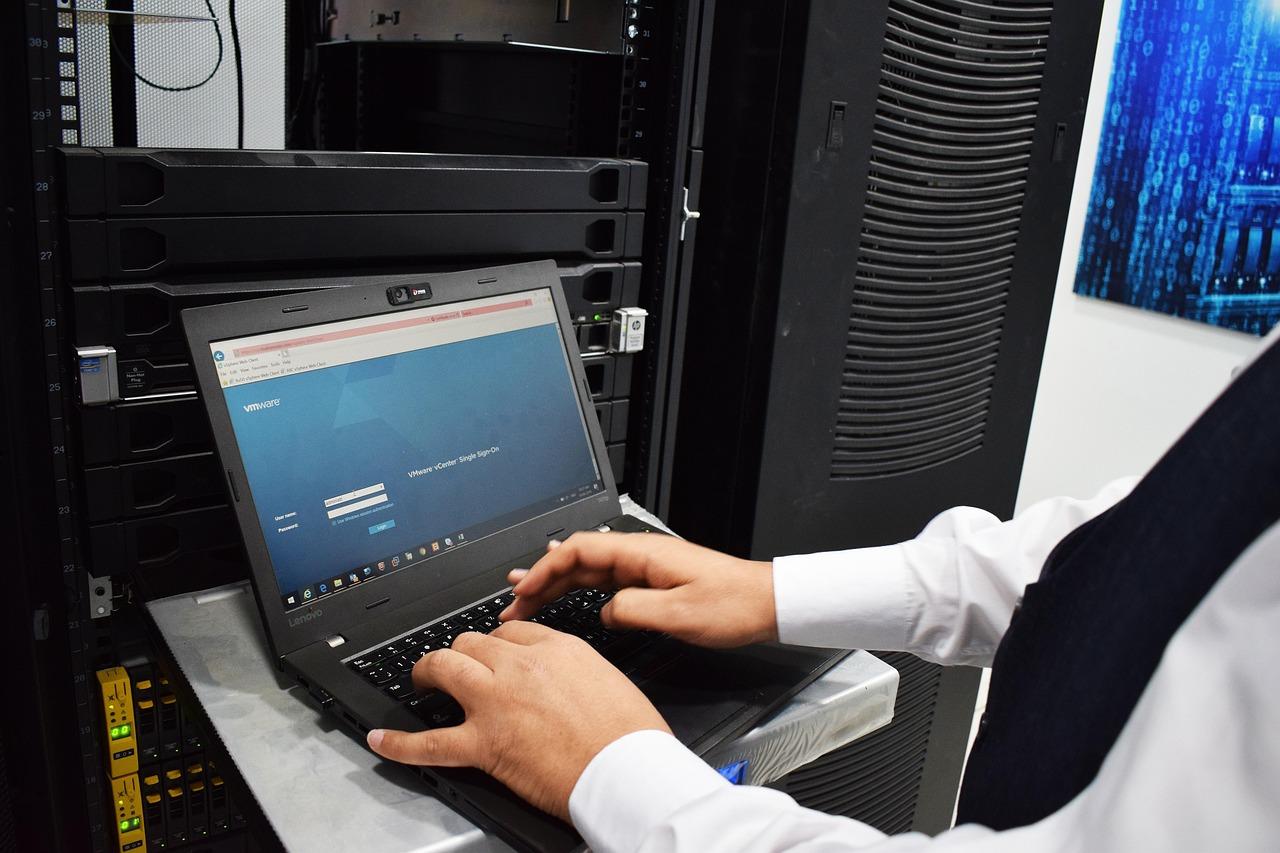
Shield has integrated OpenAI’s GPT‑6 Astra into Forge, its AI operating system for IT service providers, enabling automated agents to navigate legacy web portals and complete supported browser tasks that previously required technicians to log in and finish manually. The change aims to let technicians focus on issues that need human judgment or more complex action.
What Forge does and why this matters
Forge combines business data and customer context to allow IT providers to carry out end‑to‑end support. For many small and medium‑sized businesses, outsourced IT partners handle everything from an employee locked out of a laptop to a misconfigured firewall that knocked an office offline. Technicians spend much of their day in portals that manage tickets, devices and software licenses — many of which lack APIs and must be navigated via the screen.
When agents previously encountered systems they could not access, tasks stalled and customers had to wait for a technician to complete the step manually.
Why GPT‑6 Astra is an improvement
Shield previously tried a computer‑use approach where a model reads the screen, clicks and types, but according to Mayank Jain, Head of Technology at Shield, earlier models were neither reliable nor fast enough. Jain notes that systems without APIs tend to be older, poorly designed interfaces that are hard even for a human to use.
In the current setup, Forge’s AI Engineer assigns supported browser tasks to a computer‑use agent, and GPT‑6 Astra navigates the interface to complete them. Technicians decide which actions the agent may perform autonomously and where human review or approval is required.
Reported performance and scale
Shield says these browser workflows are live and that agents execute thousands of runs each month across its IT provider customers. Jain reports that GPT‑6 Astra was on average 35–40% faster than the legacy models Shield had used for computer‑use tasks. The company also reports faster execution, fewer failures and fewer timeouts, and higher customer satisfaction on tickets where AI is used, with speed of resolution cited as a critical factor.
What still needs humans
Phone calls, on‑site work and many remote‑desktop tasks still require human involvement. Shield is testing remote‑desktop workflows that could allow agents to perform more complex actions directly on a computer’s desktop, but the company has not released detailed results from those tests.
Why it matters to customers
Mayank Jain summarizes the impact: “With GPT‑6 Astra, Forge is now truly an extension of our human technicians.” Faster automated completion of legacy‑portal tasks reduces customer wait times and the manual burden on technicians, improving overall response times for small and medium businesses that rely on outsourced IT support.