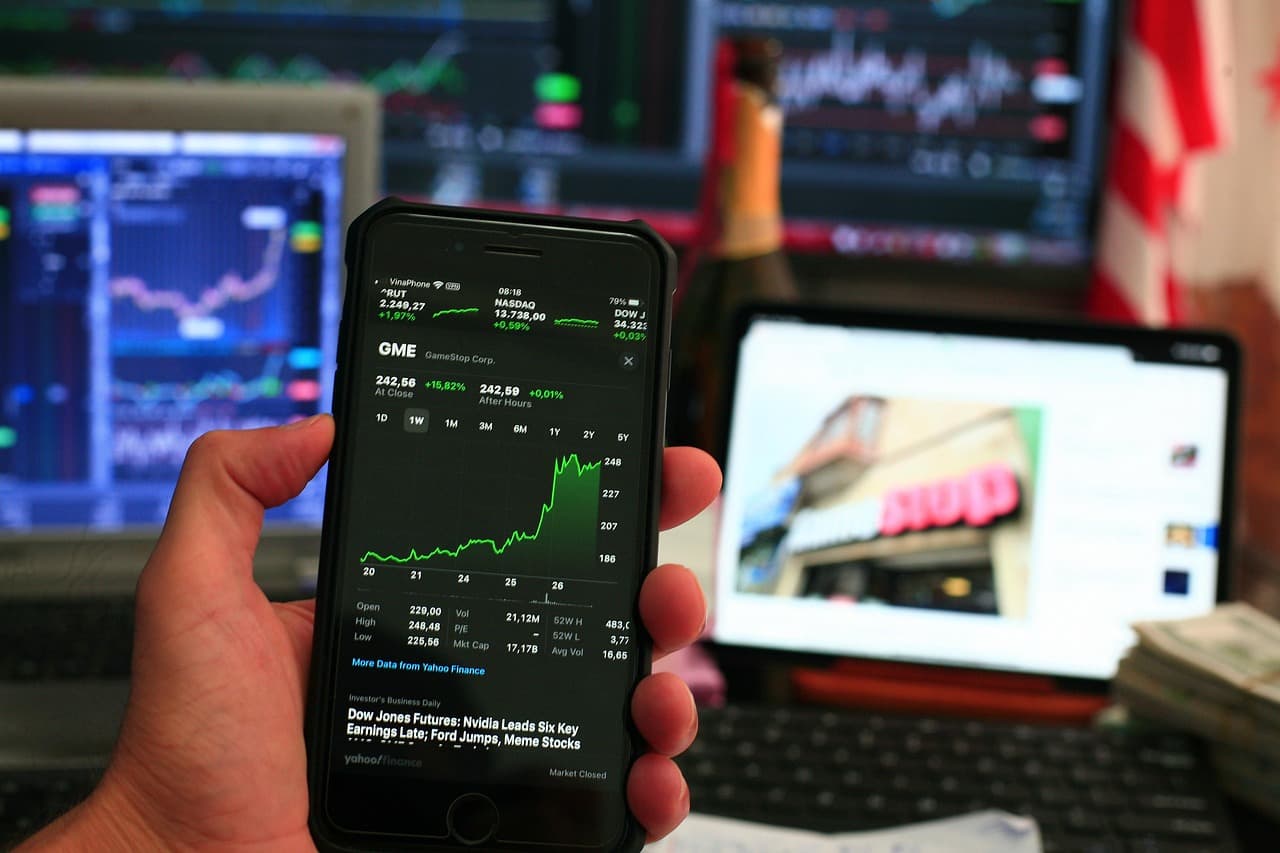
SpaceX’s first quarterly earnings release since its June IPO is one of the most closely watched summer events on Wall Street. The company went public in June at an issue price of $135 per share; since then the stock has been highly volatile, rising to $225 in early trading days before falling below the IPO price. At the time of reporting the share closed at $114.53 on Monday, 15 percent below the IPO price and 49 percent under the June 16 peak — a decline that wiped out more than $1 trillion of market value from the high.
What to expect from the report and why it matters
Wall Street analysts forecast a second-quarter loss of $0.24 per share and about $6.8 billion in revenue. Those estimates are subject to substantial uncertainty because relatively little public financial information about SpaceX is available; analysts on average increased their loss forecasts by 18 percent over the past month. Jim Lebenthal, chief market strategist at Cerity Partners, expressed little confidence in those projections.
Many investors and analysts will likely pay more attention to management’s commentary than to headline numbers — specifically guidance on artificial-intelligence development, Starlink growth, and the rocket-launch business. Drew Cupps, portfolio manager on Polen Capital’s 5Perspectives Growth Team, emphasized that much of SpaceX’s story is still forward-looking and that there are few concrete historical results on which to ground valuation today.
Key risks: lofty valuation and a looming lock-up expiration
A further source of downward pressure is the upcoming lock-up expiration: two days after the earnings release, on August 6, 911.5 million SpaceX shares — representing more than $100 billion at recent prices — could become freely tradable. That is only the start; additional billions of shares could hit the market by year-end, a supply increase that by itself could push the price down. "It's total chaos," said Ken Mahoney, chief executive of Mahoney Asset Management.
SpaceX’s market valuation currently approaches $1.5 trillion, putting it on par with or above several major tech companies and larger than Elon Musk’s other company, Tesla. Yet the company’s financial performance does not, at present, justify such valuation. Analysts expect $18.5 billion in capital expenditures (CAPEX) for the quarter and project CAPEX could reach $45.5 billion for full-year 2026.
Valuation multiples are extreme: the stock trades at roughly 448 times next-12-month estimated earnings — the highest multiple in the Nasdaq 100 — and about 26 times revenue, among the highest in the technology sector.
Rising short interest and divergent analyst views
Data from S3 Partners indicate that 34 percent of SpaceX’s free-float shares are held in short positions, up from 18 percent one month earlier; many investors are therefore betting on further price declines. Nonetheless, a large share of Wall Street remains bullish: of the 39 analysts tracked by Bloomberg, 30 still rate the stock a buy.
Notable price targets and analyst views include:
- Brian Gesuale of Raymond James maintains an $800 price target for the next 12 months, assuming explosive revenue growth.
- Adam Jonas at Morgan Stanley reaffirmed a $300 target, arguing that current roughly $100-level prices effectively assign near-zero value to the company’s AI business and thus represent an attractive entry point.
- Douglas Harned at Bernstein argues investors should focus less on quarterly numbers and more on how confidently management outlines long-term growth plans.
AI as a potential growth engine
Forecasts suggest artificial intelligence could account for as much as 81 percent of SpaceX’s revenue by 2035. The earnings release also arrives at a moment when major tech firms — including Alphabet, Microsoft and Amazon — have reported strong AI-driven results, and markets have rewarded companies showing tangible returns on AI investments. For SpaceX, the management’s articulation of its AI strategy could therefore be decisive for the stock’s direction after the report.
Conclusion
The upcoming earnings report gives investors a chance to reassess SpaceX’s prospects, but it may not resolve the fundamental tensions: a market valuation approaching several trillion dollars versus a business that today produces limited concrete, historical results. In the near term, management’s messaging, the August 6 lock-up expiration and the balance between heavy short interest and persistent analyst optimism will largely determine whether the post-IPO volatility settles into renewed confidence or continued downward pressure.