Reports differ on Grand Theft Auto VI's release window: some indicate a possible launch this November, while others place the debut at the end of 2026 after multiple delays. Meanwhile, the founder of a startup has begun an experiment to recreate a GTA 6–style game with artificial intelligence ahead of Rockstar Games' official release.
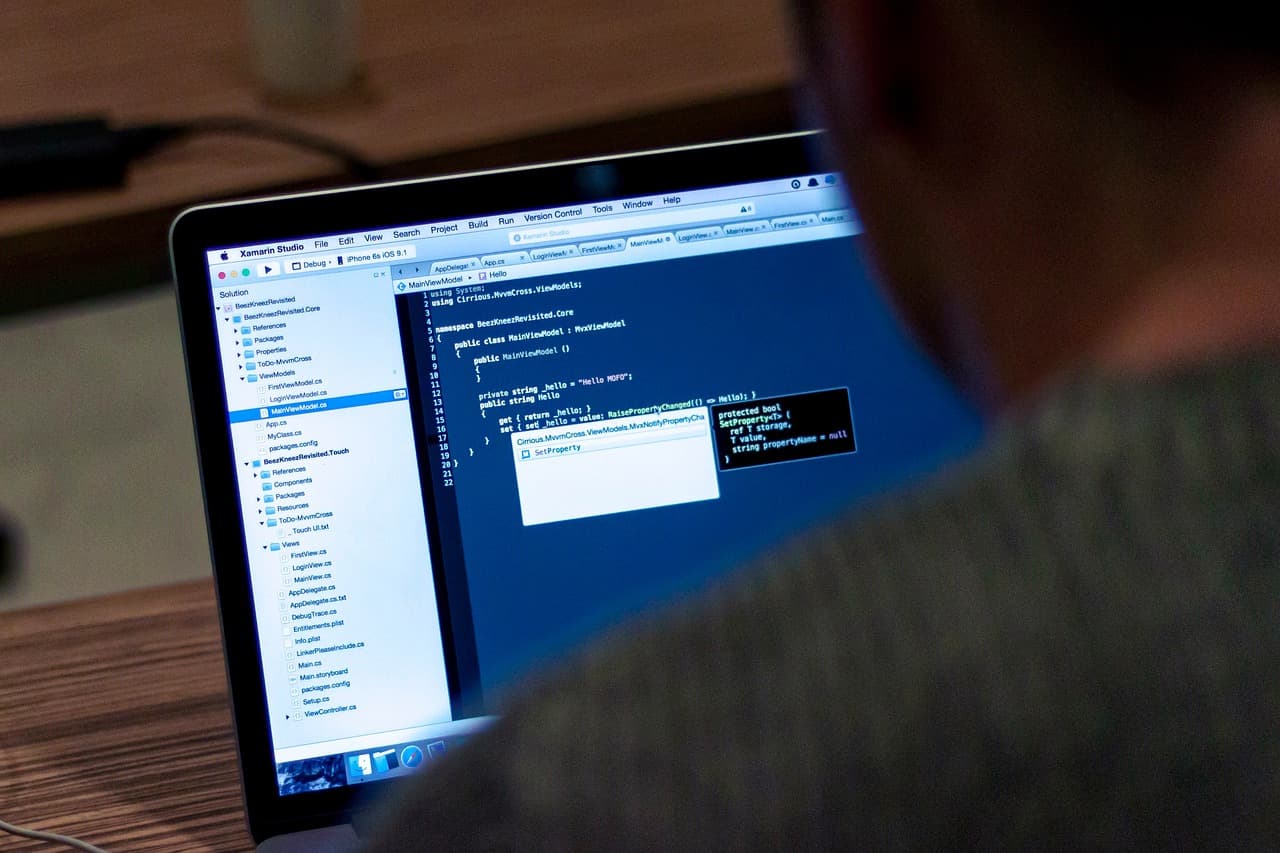
The effort is led by Hszü Ce-ven, founder of the AI startup Hyperecho. Rather than traditional hands-on development, he uses a technique called "vibe coding": verbally instructing a language model which then attempts to produce the requested game elements. Hszü posted about the development for the first time on June 10 and has been sharing daily updates about progress since; he is also soliciting collaborators.
As Gizmodo notes, the project was inspired by a post from another AI-startup founder. The experiment aims to test whether the Anthropic Claude Fable 5 language model can, via vibe coding, create a game of this scope. That effort may be impeded by the fact that the model in question has been paused due to significant security concerns.
Hszü acknowledges his plan is perhaps ambitious — he described it as "a bit" overreaching — but continues nonetheless. After the initial post, he published regular updates; by the fourth day he reported visible progress in the project. While it is highly unlikely the work will produce a full, fully polished GTA 6 clone by the anticipated release window, the initiative is an interesting test of how far generative AI can go in game development today.
Why this matters
- The project highlights how large language models are being applied to non-traditional tasks like rapid prototyping of game engines and gameplay features.
- Limitations of the underlying models — for example the pause of Claude Fable 5 for safety reasons — will shape how much can be achieved on short timelines.
- The experiment raises the question of whether a complex commercial game can realistically be approached by a small team using AI-driven workflows.
Future updates will show how far Hszü and his experiment progress, but based on current information the effort reads more like a technological demonstration than a near-term, market-ready game.