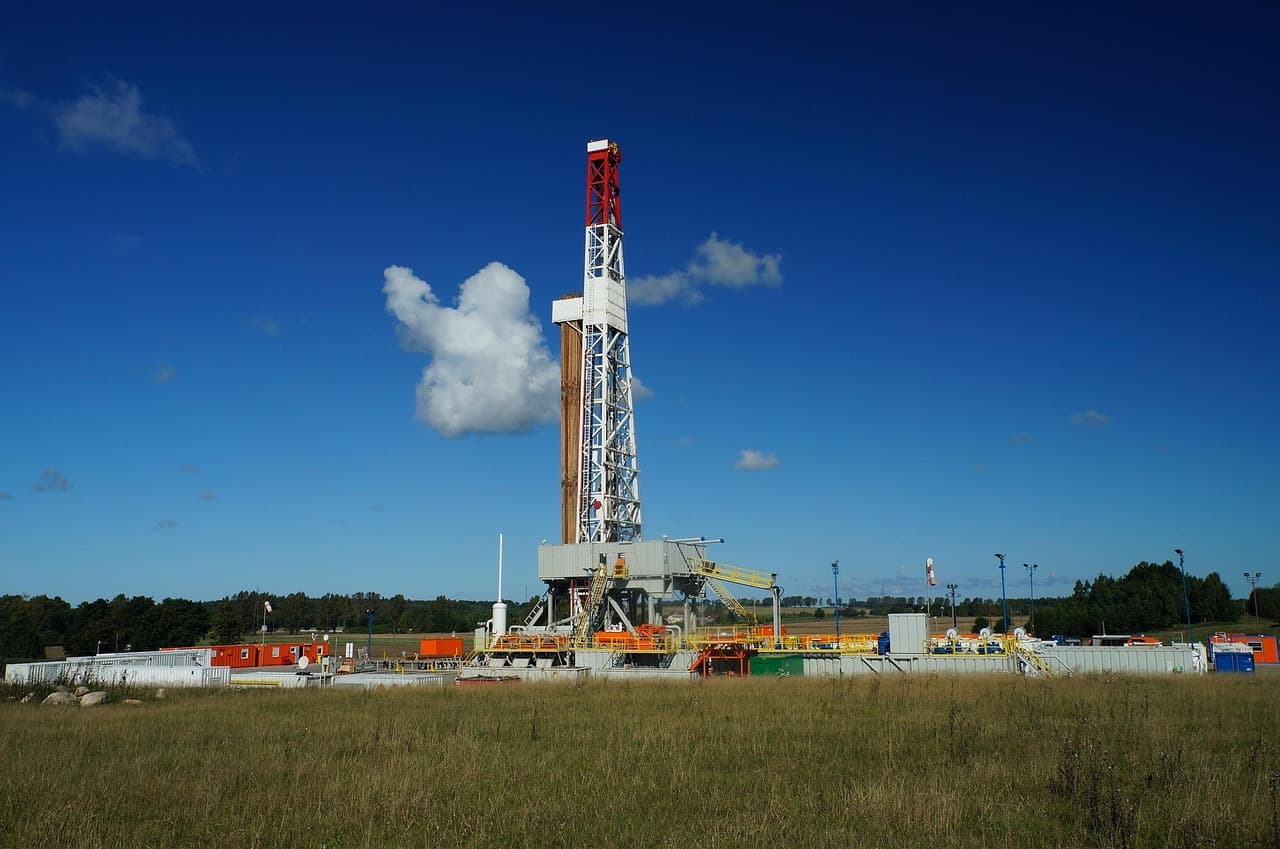
A peer‑reviewed study published in a Nature journal finds that AI applications in oil and gas could increase production and, in many modeled scenarios, lead to a net rise in greenhouse gas emissions. The authors argue that AI’s benefits for renewable energy may be outweighed by its role in making fossil fuel extraction cheaper and more productive.
Who conducted the research
The study was co‑led by Holly Alpine and Will Alpine, former Microsoft employees who founded the nonprofit initiative Enabled Emissions Campaign in 2024. Researchers from Purdue University and an independent researcher also participated in the work.
How AI affects energy sectors
The paper explains that AI can help oil and gas companies identify new prospects and improve recovery from existing fields. At the same time, AI can aid renewables by improving forecasting and operations. The study concludes that, across many plausible pathways, the productivity gains in the fossil‑fuel sector are likely to dominate the overall climate outcome.
Key numbers and modeled outcomes
Using a computable general equilibrium model of the global economy, the researchers ran 64 scenarios. They estimate that AI could add emissions roughly equivalent to 1–5% of the global energy sector’s 2024 emissions in the scenarios they modeled. According to the study, this incremental emissions burden would be about three to thirteen times the International Energy Agency’s current estimate of data‑center emissions.
Across the 64 modeled scenarios, emissions declined only in cases where AI produced zero productivity gains for fossil fuels, the authors report. That finding indicates that supporting renewables alone may not be sufficient to secure emissions reductions if AI substantially lowers costs or raises recoverable reserves in the fossil sector.
Industry response and current uptake
The American Petroleum Institute (API), the oil industry’s main trade group, disputed the implication that producing more energy and reducing emissions are mutually exclusive. API spokesperson Andrea Woods said the U.S. oil and natural gas industry is producing more energy while reducing emissions through investment in technology, improved operational practices, and support for science‑based policy.
AI adoption in the oil sector has accelerated over the past two years. Producers such as Chevron, ExxonMobil, ADNOC and Aramco report using AI to identify drilling prospects and improve recovery. Oilfield service companies SLB, Halliburton and Baker Hughes are deploying AI for drilling guidance and well placement optimization. Analysts and consultancies, including Goldman Sachs and Wood Mackenzie, predict AI could lower production costs and increase economically recoverable reserves.
Limitations and open questions
The model does not attempt to quantify AI’s potential to accelerate transformative clean‑energy breakthroughs such as fusion or long‑duration storage. Michael Lazarus, senior scientist emeritus at the Stockholm Environment Institute, who advised the authors, warned that many optimistic scenarios are difficult to anticipate or model.
What the authors recommend
The study’s authors call for greater transparency about AI’s effects on emissions so that policymakers can consider governance options. Will Alpine argued that opening up information about these impacts is a necessary first step toward effective regulation.
Conclusion
The research highlights that AI, as a general‑purpose technology, can raise productivity in both fossil fuels and clean energy. The net climate outcome will depend on which applications are prioritized by industry, investors and policymakers, and on transparency and governance measures adopted to manage AI’s influence on energy markets.