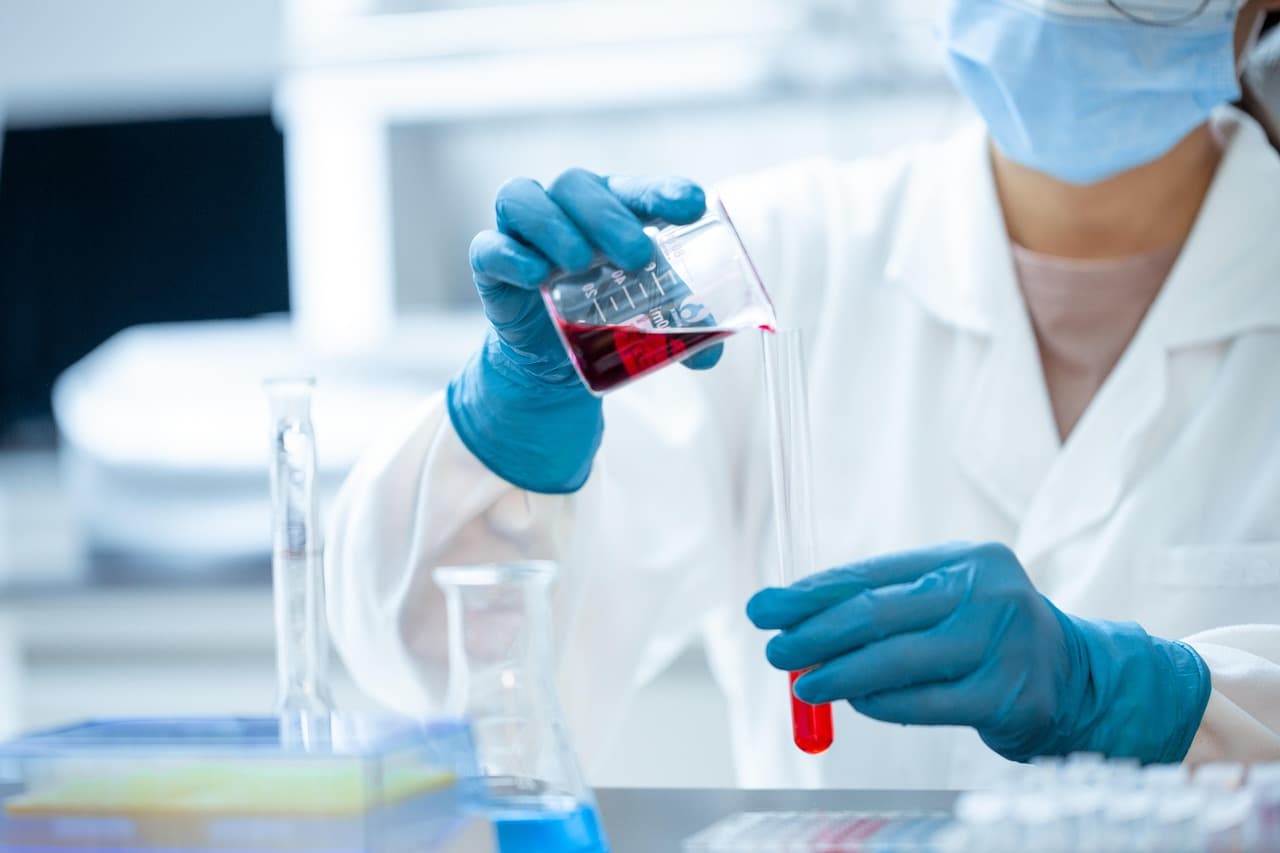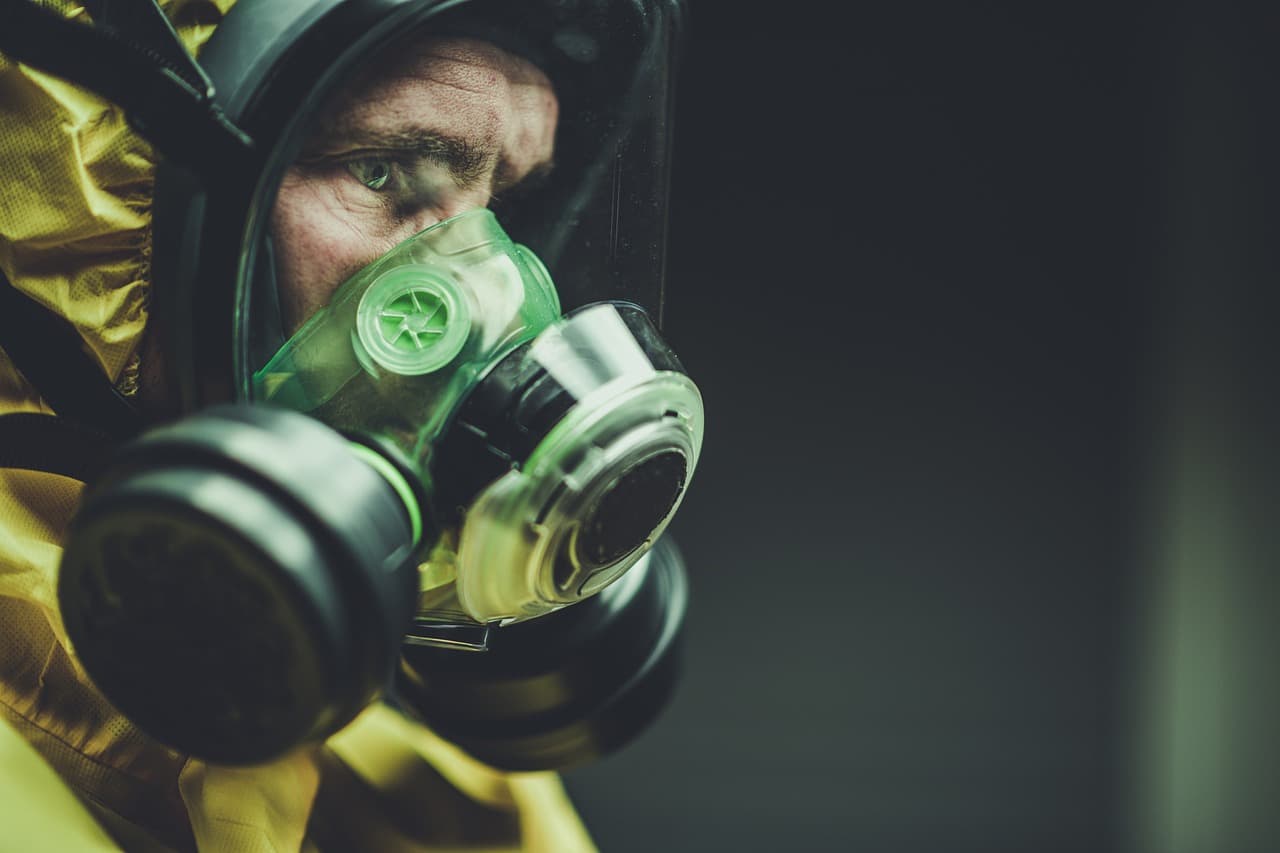
The Financial Times reports that technology companies are scrambling to reduce the threat of AI-driven bioterrorism. In recent years, artificial intelligence models have become increasingly powerful tools in bioscience, for example substantially speeding up aspects of drug discovery.
Dual-use capabilities: benefits and dangers
Experts stress that these capabilities are dual-use: the same information and methods that help develop a vaccine can also "create a bioweapon," a Google DeepMind researcher told the Financial Times. That fundamental dilemma increases the risk of misuse with each technical advance.
A "Mythos" moment and discovering vulnerabilities
An AI safety expert warned of a "'Mythos' moment for AI and Bio," referring to how Anthropic’s powerful model can find vulnerabilities in most software. By analogy, similarly capable models could expose weaknesses in bioscience processes that might be exploited for malicious ends.
Risk assessment is harder in bioscience than cybersecurity
The report notes that risk-mitigation measures used in cybersecurity do not straightforwardly translate to the biosciences. While many AI labs take steps to guard against dangerous use, evaluating and managing risks in biological domains is considerably more complex.
As one immunologist put it: "All it will take is one screw-up," emphasizing that a single incident could have serious consequences.
Conclusion
The Financial Times coverage highlights that although AI is driving important advances in healthcare and drug research, the same capabilities carry substantial potential for misuse. Companies and researchers must therefore develop technical safeguards and governance frameworks that reduce the risk of AI-enabled bioterrorism while allowing beneficial scientific progress.
(Source: Financial Times; article by Tom Chivers)