Recent reports indicate that a number of former chief technology officers (CTOs) and senior engineering builders — including people from Workday, You.com, Box, Super.com, Adept and from Instagram’s orbit — have left executive positions to take technical roles at Anthropic. Some describe the move as driven by mission; others frame it more bluntly as a retreat from the traditional software layer.
Why this matters
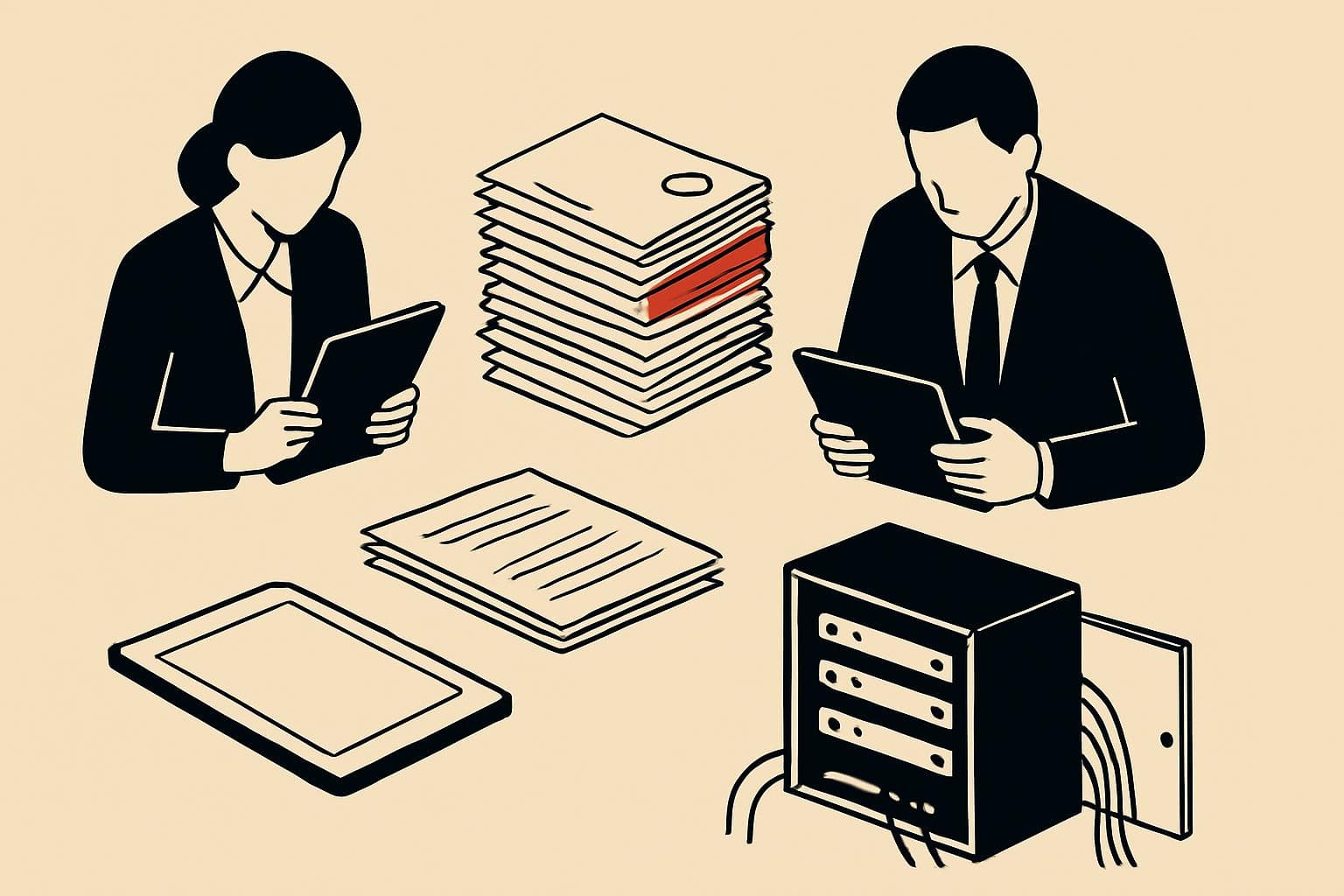
Observers argue that traditional software categories such as SaaS dashboards, workflow tools and enterprise layers are being disrupted by foundation models and agent-based tools. Tasks those systems used to solve are increasingly handled by models, which shifts where technical influence and product leverage live. In that context, commanding a large engineering organization in a legacy stack can matter less than direct access to models, tooling for models, training loops, product labs and developer surfaces.
Motivations behind the shift
For leaders accustomed to managing hundreds of engineers on older stacks, moving to roles that let them work directly on model development, tooling, fine-tuning and integrations can be professionally attractive. The trend therefore appears to be driven by pragmatic career calculus: as software becomes downstream from models, many talented operators choose to move upstream toward the systems shaping that output.
Industry consequences
This movement is generally interpreted as a rational response rather than a sign of failure. If foundation models become the central layer of the technology stack, senior technical prestige and leverage may migrate away from organizational charts toward those who control and develop the models and their developer surfaces. Over time, such shifts could change how companies structure engineering teams and which roles are most highly valued.
Summary
A noticeable number of experienced technology leaders are choosing to leave CTO-level management roles to work directly on models and related infrastructure at Anthropic. The pattern highlights a broader reassessment in the tech industry about where technical power and career opportunity now lie: increasingly with models and the tooling that surrounds them rather than with traditional software management.