Zach Yadegari, the teen co-founder of the calorie-tracking app Cal AI, has founded a new company called Persona. The startup announced a $10 million funding round led by Vine Ventures, with participation from Cory Levy (founder of Z Fellows) and Collective Global.
Background: Cal AI and the MyFitnessPal acquisition
In March, MyFitnessPal acquired Cal AI for an undisclosed amount after the app rapidly climbed app store rankings. At the time, MyFitnessPal told TechCrunch that Cal AI had generated more than $30 million in annual revenue in under two years, a performance that contributed to the acquisition. Yadegari and his co-founders briefly joined MyFitnessPal to continue developing Cal AI, but Yadegari left the larger company in June and immediately began working on Persona.
What Persona offers
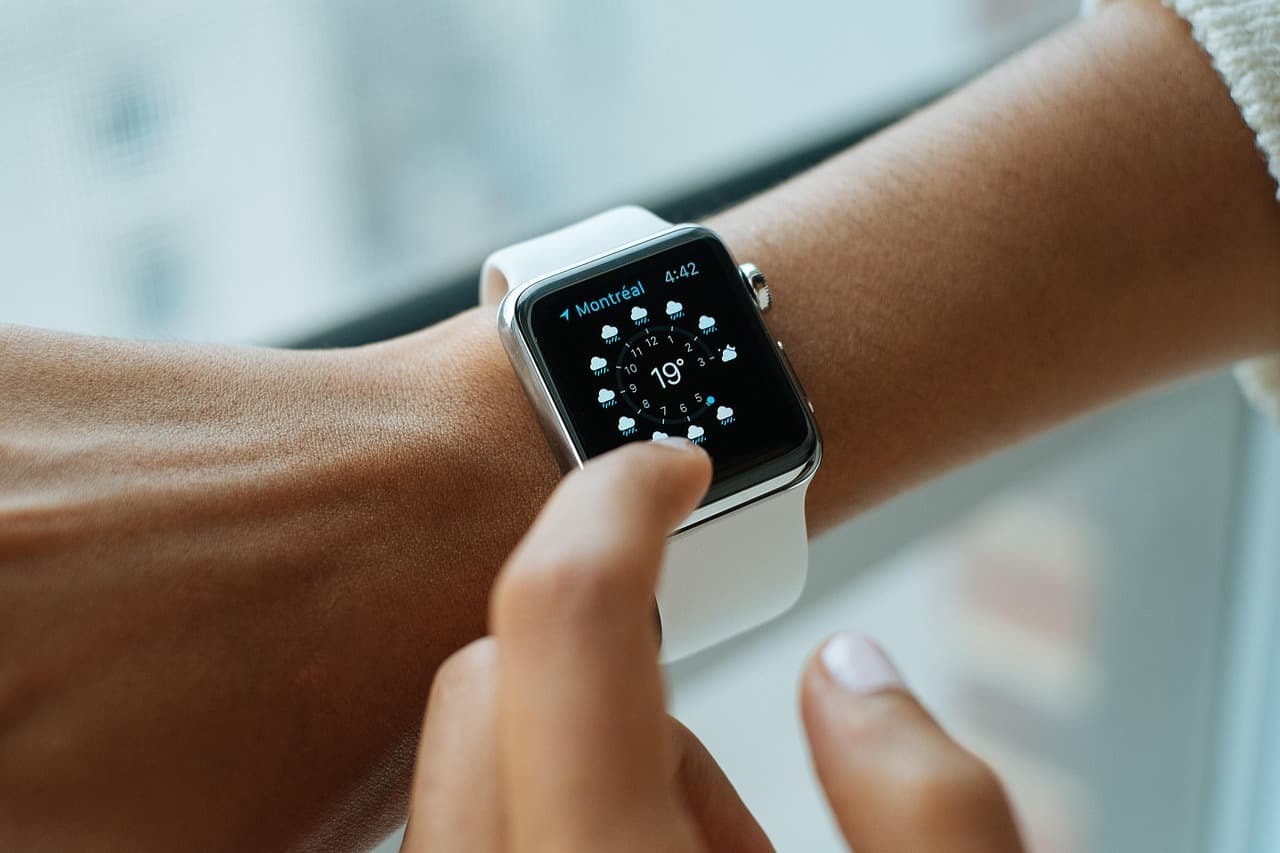
Persona positions itself as a personal AI assistant similar to services like Instinct or Meta’s Muse, but it will also offer a hardware component: a wearable band priced at $179. The company expects the band to be available in December. Persona says it has already generated "five figures in preorder revenue."
The band will not function as an ambient always-listening device. Instead, it has a button to activate the assistant or can be configured to activate with a wrist flick.
Privacy and architecture
According to Yadegari, Persona is built with user privacy in mind. The AI model does not run on the device and user data is not stored locally; instead data is sent to Persona’s cloud where the model runs. The company says it encrypts data both in transit and at rest, and users can delete their data. Persona frames this approach as a way to ensure conversations remain private and are not sold to advertisers or data brokers.
The team is also implementing safeguards against phishing and prompt-injection attacks, vulnerabilities that have affected other AI agents and been highlighted by AI labs such as OpenAI.
Yadegari adds that the assistant will not be able to view a user’s credit-card details. Purchases will require user approval and payments will be processed through external providers like Stripe Link. (Stripe Link is Stripe’s secure wallet solution intended for agent use.)
Business model: ads without selling user data
Although Persona says it will not sell user data to advertisers, its current business plan includes advertising. Yadegari explains the assistant will surface advertised products during shopping research, but he claims the agent will provide unbiased recommendations because it won’t know which results are paid placements. For instance, when someone researches office chairs, the agent will show chairs that match the user’s preferences and some of those results may be sponsored.
Beta, features, and future plans
Persona is currently available as a free beta in which users interact with the assistant via iMessage text messages; the company says the beta has attracted "a few thousand beta users." The assistant can perform tasks common to consumer AI assistants, such as ordering food or rides, taking notes, booking travel, answering questions, and managing emails.
Yadegari envisions Persona becoming more proactive over time — offering help and solving problems before users are aware of them and reducing the need to stare at a rectangle in one’s hand all day.
Public appearances and founder background
Yadegari will speak at TechCrunch Disrupt on a panel titled "How to create viral growth and capitalize on it." Disrupt takes place October 13–15 at the Moscone Center in San Francisco. Yadegari’s entrepreneurial history began early: he started his first business in ninth grade and sold it for $100,000 at age 16.
Funding and team
Persona raised $10 million in its seed round led by Vine Ventures, with participation from Cory Levy and Collective Global. Yadegari is working with at least one other co-founder whose name has not yet been announced.
In short, Persona combines a cloud-run AI assistant available now in iMessage beta, a $179 wearable planned for December, and an ad-supported model that the company says will not rely on selling user data.