With the June 30 NIS2 deadline, tougher cybersecurity rules are reshaping large companies’ IT operations strategies. In an interview with Portfolio, Kovács Krisztián, head of Magyar Telekom Enterprise Solutions, said that after June 30 the focus will shift from achieving mere compliance to ensuring that operational models remain sustainable in the long term and that companies preserve market trust.
Treating NIS2 as a measure of digital maturity
Kovács argued that NIS2 should not be viewed solely as a cybersecurity project. Companies should perform honest internal diagnostics and present a transparent, scheduled remediation plan so audits generate clarity instead of panic. Regulations such as DORA and NIS2 aim to strengthen operational resilience and long-term competitiveness; from that perspective the biggest stake is market confidence rather than fines.
Financing and CFO perspective: OPEX versus CAPEX
The article notes that a modern CFO makes technology decisions around strategic value creation, sustainable growth and risk management. Magyar Telekom offers flexible financial models: clients that prefer CAPEX receive the latest hardware and software portfolios; those who want predictable monthly costs can get OPEX-based services. Kovács stressed that buying technology is not enough — without continuous expert operation, purchased tools do not deliver real protection, and many data-centre and security systems need refresh or replacement within a five- to six-year horizon.
Sovereign data handling and the cloud question
While hyperscalers provide advanced technology, NIS2 highlights that cloud choice is increasingly a legal and data-protection decision. Local laws applicable to third-country providers can override contractual guarantees, posing risks for compliance. Therefore, creating sovereign digital platforms and storing data in domestic data-centre environments is increasingly important to reduce legal uncertainty.
Magyar Telekom’s data-centre scale and operational practice
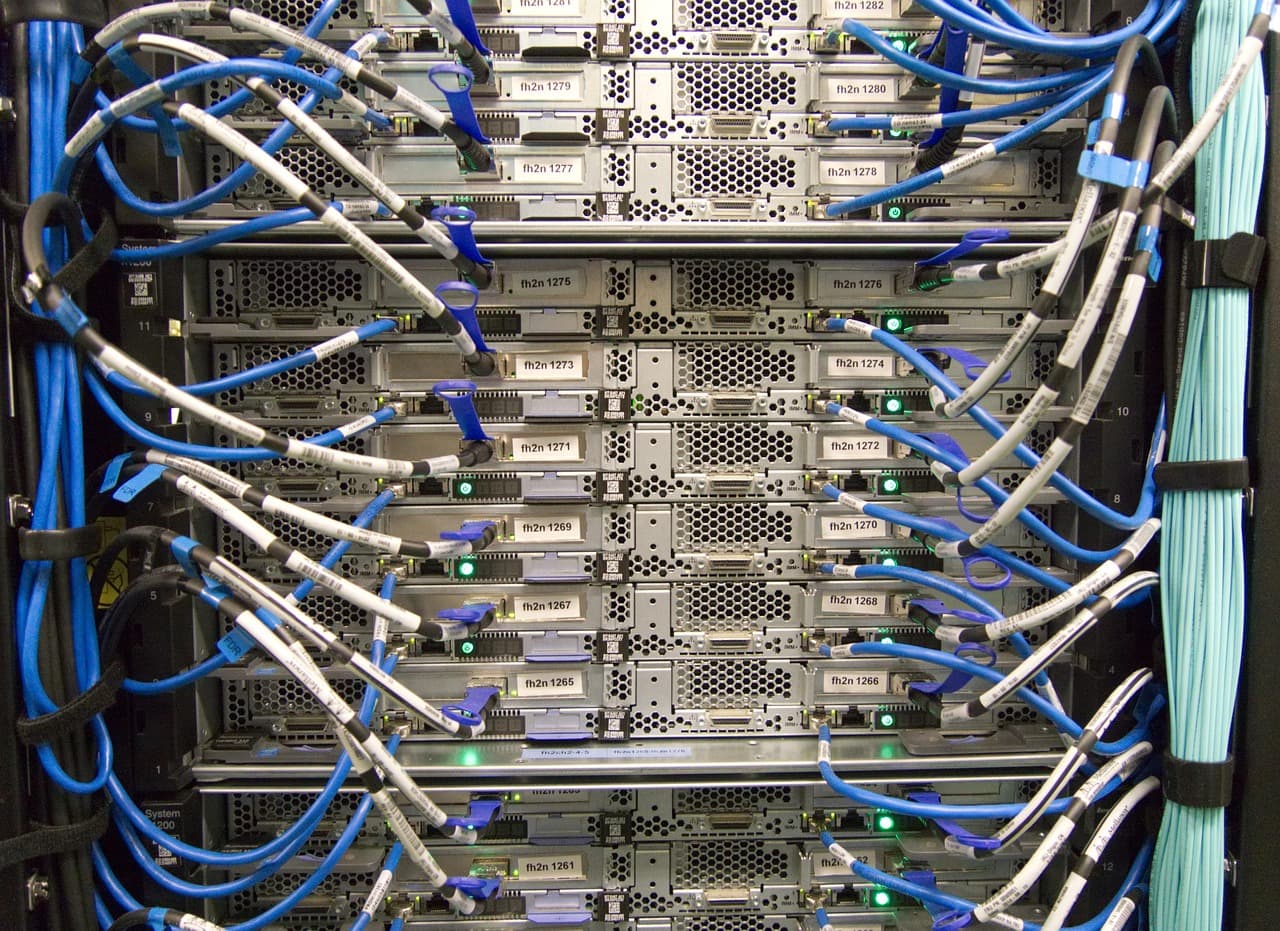
Magyar Telekom operates the country’s largest data-centre infrastructure, spanning 24,500 square metres. At this scale, zero-tolerance availability is the baseline: physical and network redundancy, 24/7 monitoring and skilled teams ensure continuous operation. The company reports that it can guarantee very high annual availability (up to 99.999% SLA) and uses multiple redundancies for cooling and power supply.
Operational flexibility aligned with customer needs
Telekom offers both predefined, scalable platform services and bespoke, tailor-made solutions supported by dedicated teams and system-integration expertise. The company emphasizes understanding specific business needs rather than applying one-size-fits-all templates.
AI: security as a prerequisite for intelligent systems
NIS2 compliance and AI integration are complementary. AI’s fuel is clean, structured and secure data; if the underlying sources are vulnerable or unvalidated, AI-based strategies become fragile. For example, an AI-assistant trained on insufficiently controlled web data could quickly mislead internal and external users. Telekom positions itself to provide integrated infrastructure, value-added services and AI solutions, and to educate the market so clients do not fall behind the transformation.
Recommendation: partnership-based operating models
Kovács emphasizes that NIS2 should be seen as a transformation that raises business maturity rather than an isolated cybersecurity project. Given significant local talent shortages, building and maintaining 24/7 defence and full operational capabilities in-house can take years and divert critical resources from core business. Companies should design operating models that reinforce internal competencies with external partners and strategic partnerships. Magyar Telekom cites experience handling nearly 1,000,000 operational tickets annually, a SOC that monitors 8–10 billion security events per day and on average addresses more than 100 real incidents — volume and routine that, the company says, provide real assurance to executives.
Note on publication: this article’s appearance was supported by Magyar Telekom.
Tags: information technology, cybersecurity, it-security, artificial intelligence, cloud services, audit, data centre, cfo, compliance, nis2, Magyar Telekom