The Private Health Forum celebrates its 10th anniversary this year, and several sessions at the conference will examine trends transforming private health care and its operating environment. One highlighted program item is an appearance by Thuróczy Bertalan, who will speak in the forum’s 3rd section.
Who is the speaker?
Thuróczy Bertalan began his studies in electrical engineering. At age 21 he was diagnosed with a malignant tumor; treatment included surgery followed by chemotherapy. He continued his university studies during treatment and, after recovery, shifted his focus toward the intersection of medicine and engineering. He earned a master’s degree from the joint biomedical engineering program of Budapesti Műszaki és Gazdaságtudományi Egyetem (Budapest University of Technology and Economics) and Semmelweis Egyetem (Semmelweis University). He is currently a PhD researcher studying AI-based digital health solutions and technological approaches to longer, healthier lifespans.
What developments is he working on?
As an example of his engineering approach, Thuróczy is developing an intelligent glove for people with Raynaud’s phenomenon. The glove is equipped with sensors that measure pulse, blood oxygen saturation (SpO2), skin temperature, activity and physiological signals related to stress. The device is intended to detect the onset of peripheral circulation problems before visible symptoms appear and to switch on heating automatically; the concept envisions the device itself intervening based on measured data and machine learning methods.
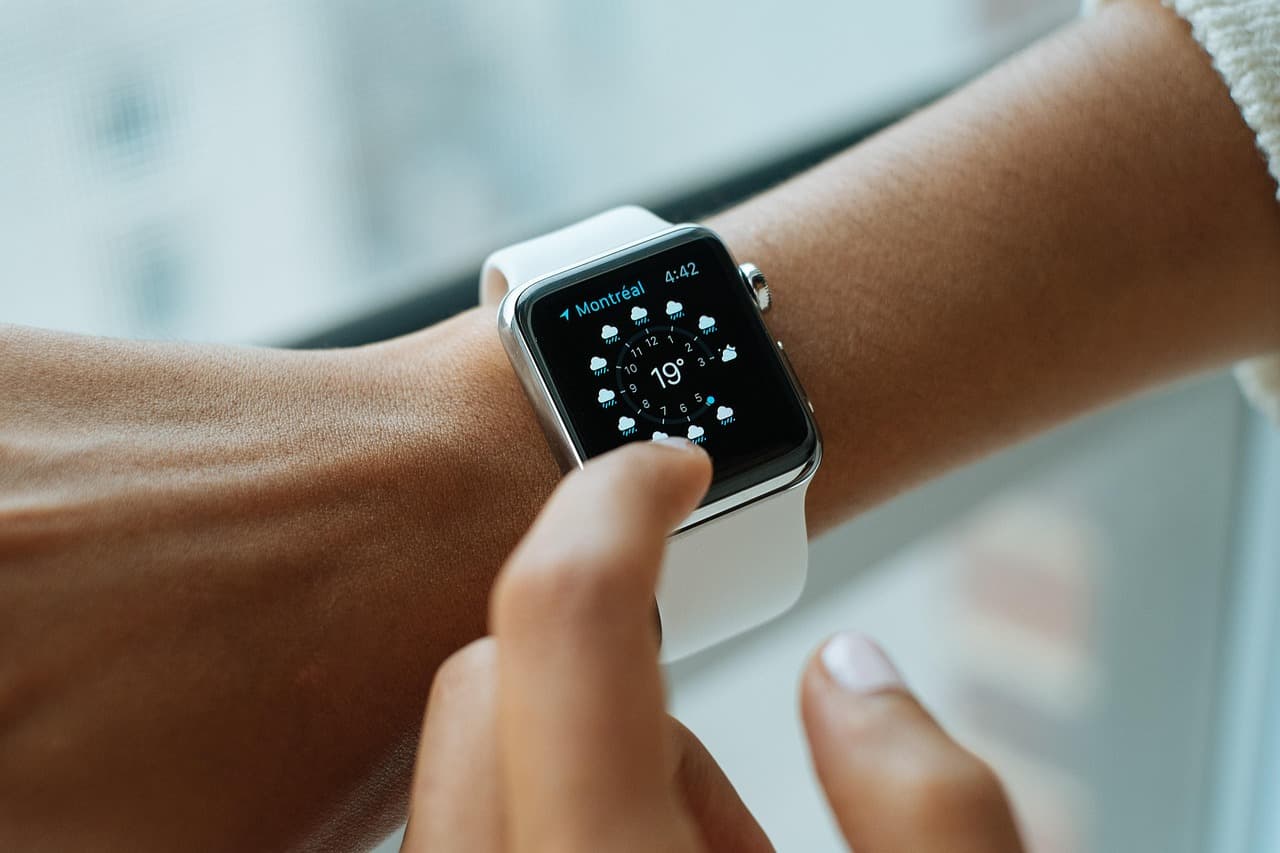
He stresses that wearable sensors are not omniscient diagnostic instruments: smartwatches or smart rings are primarily useful for observing long-term trends, and individual values must always be interpreted in context.
Personal experience and research perspective
Thuróczy has conducted prolonged self-measurement: data from an ECG chest strap showed that a lifestyle he had perceived as normal was associated with a sustained stress state. He subsequently adjusted his daily schedule, rest and sleep. This experience illustrates his core point: data alone does not cure, but it can reveal problems early that the individual may not yet subjectively notice.
His public appearances reflect an uncommon unity of perspectives: he speaks from experience as a former patient, an engineer, a researcher and a long-distance runner. That combination allows him to bridge the human and technological dimensions: he understands how a bodily signal becomes measurable data, how data becomes an algorithm, and—under appropriate clinical validation and regulation—how an algorithm can become a usable medical device.
Why does this matter for health care?
Thuróczy does not offer ready-made prescriptions but a mindset. He brings attention to issues important for Hungarian health care as well—prevention, patient education, digital health, wearable sensors, AI and lifestyle data—while emphasizing the human dimension that prevents treatment from becoming a mere system process. He advocates moving beyond episodic measurement of disease toward using continuously generated everyday data for early intervention and personalized prevention.
Where and when to meet him?
Thuróczy Bertalan will present at the 2026 Private Health Forum’s anniversary event. Conference program and participation details are available from the event organizers.
Communication and audience engagement
Through books, podcasts and presentations, Thuróczy combines technological knowledge with personal stories and accessible examples, serving as a credible intermediary between professional and lay audiences. He demonstrates what AI, biosensors and personalized prevention might mean in everyday life and also outlines the current limits of these technologies.
The cover image used in related coverage is illustrative.