A 48-year-old man, Rhys Hibbert, underwent surgery in London in which an artificial intelligence (AI) system aided the complete removal of a benign pituitary gland tumour. The mass was discovered 18 months earlier after an episode of fainting. Because the tumour lay extremely close to critical structures — including the carotid artery and the optic nerve — its growth had already reduced his peripheral vision.
The tumour’s location carried significant risk: prior data for similar procedures indicated a 0.5–2 percent chance of injuring a major artery, and historically there had been a 25–50 percent probability that surgeons would not be able to remove the tumour completely.
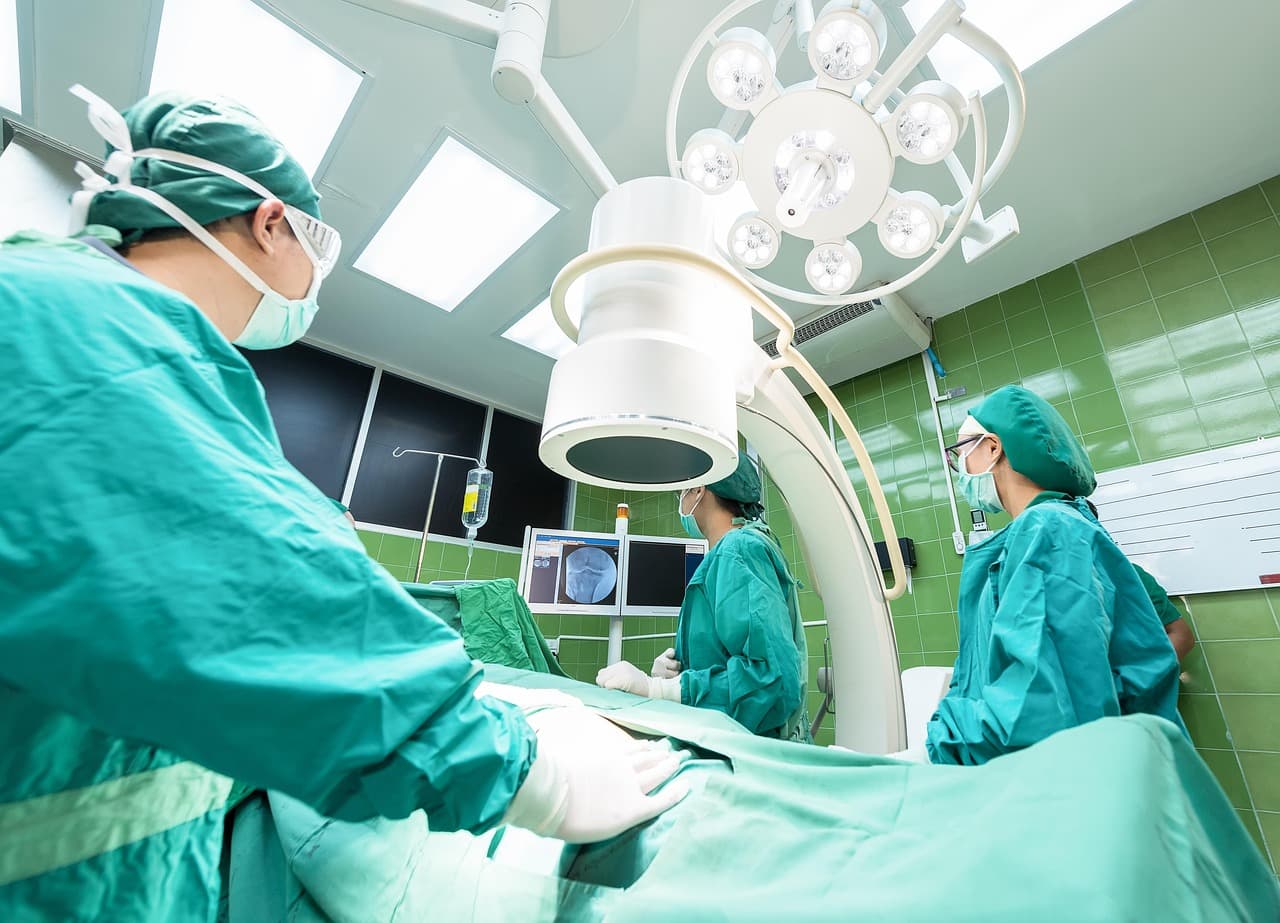
During the operation the surgical team introduced an endoscopic camera near the lesion while the AI continuously analysed the video feed. Researchers trained the system on several hundred videos of pituitary tumour removals in which vessels and nerves were annotated, enabling the AI to recognise and distinguish key anatomical structures. In real time the AI highlighted areas with the highest likelihood of containing vessels and indicated zones where it was safer for the surgeons to work.
The operation was successful and the tumour was removed in its entirety. Hibbert reported that his eyesight was noticeably better immediately after waking from the operation, and by eight weeks post‑surgery his vision, energy levels, and previous symptoms had improved significantly.
Researchers say their longer‑term goal is to develop a ‘surgical ChatGPT’ — an AI that could act as a second expert during operations by offering real‑time guidance to surgeons.
Why this matters
This case illustrates how AI can augment surgical decision‑making in high‑risk procedures where precise anatomical orientation is critical to avoid complications and achieve complete tumour removal. Further refinement and broader clinical testing of such systems could reduce rates of surgical complications and incomplete resections.