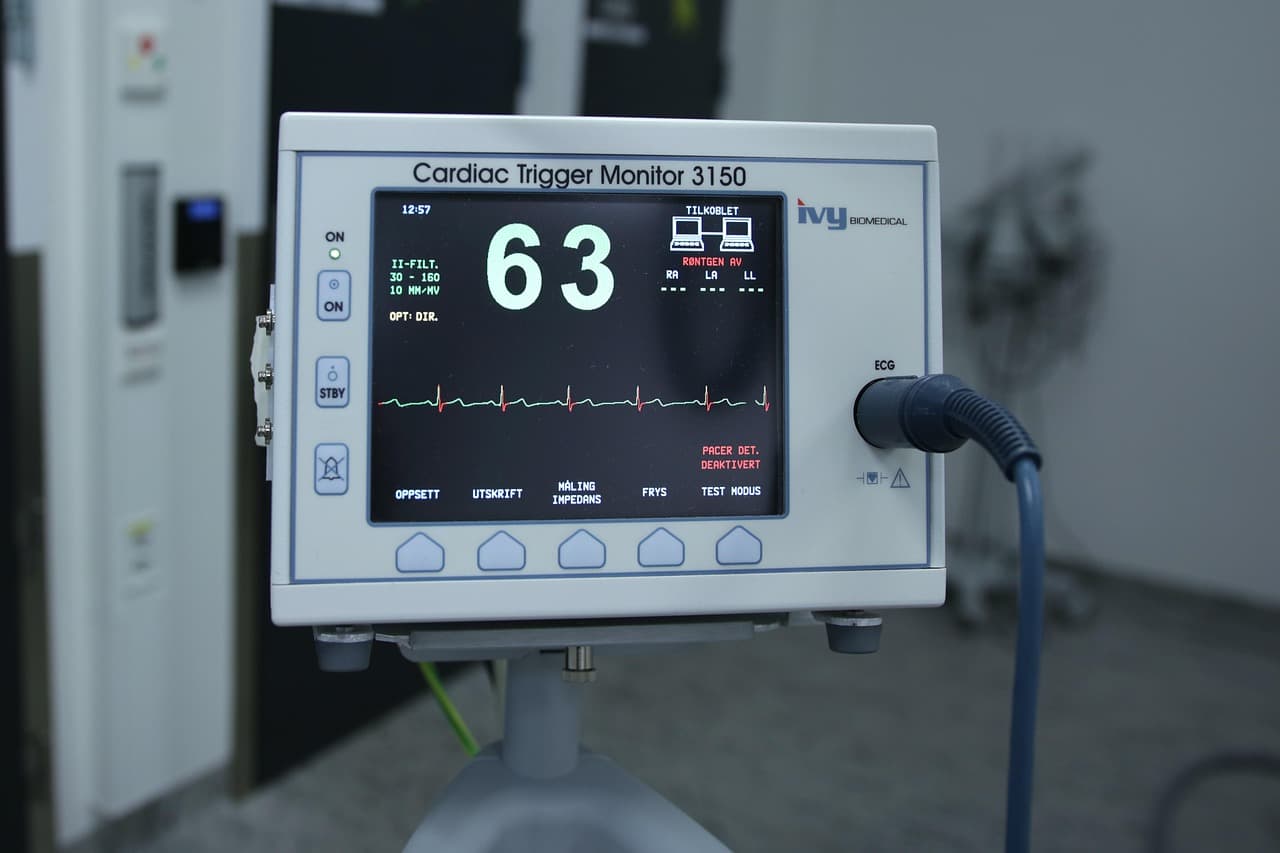
An artificial intelligence system developed with funding from the British Heart Foundation (BHF) may accelerate detection of common heart conditions: researchers say the tool can indicate signs of heart failure and valvular disease from an ECG in under two seconds.
How the system works
The model was trained on millions of ECG recordings and can extract patterns from a standard resting ECG that are not readily visible to the human eye. A conventional ECG records the heart's electrical activity — such as heart rate and rhythm — and is essential for identifying rhythm disorders or acute events, but it does not reliably detect heart failure or structural valve disease. Those diagnoses typically require echocardiography, for which patients often face waiting times of months.
Capabilities of the AI
According to the researchers, the algorithm can spot signs of the two most common forms of heart disease — heart failure and valvular disease — "in a blink" from an ECG trace. Given that about one billion ECGs are performed worldwide each year, a rapid, low-cost screening layer could substantially improve early detection and help prioritize who needs further imaging.
Test results and limitations
The system was evaluated on data from 67,000 US patients. In these tests the AI identified up to 81% of patients with heart failure and up to 90% of those with valvular disease. The researchers note the model will not detect every affected individual; its primary value is in flagging people at higher risk who should be referred for confirmatory testing, such as echocardiography.
Why this matters
Earlier diagnosis can save lives by allowing timely medical intervention before a condition becomes dangerous. The speed of the AI and the ubiquity of ECG testing mean the approach could be especially useful in health systems where imaging capacity is limited and waiting times are long.
Presentation
The findings were presented at the European Society of Cardiology annual meeting in Munich. The project received funding from the British Heart Foundation, and while the initial results are promising, further clinical validation and implementation planning are needed.