For Danu Robotics founder Amy Ma, the idea for a better recycling solution came while she was working as a software developer at a London bank. She noticed that in a high-end office building many separate recycling bins were still ending up in the same trash stream.
“Even though they have tons of money, there’s all these different recycling bins that just end up in the same place,” Ma told TechCrunch. As she investigated, she found the issue was widespread: recycling economics frequently rely on humans manually sorting waste to recover recyclable materials.
“I saw the technology and thought, we can do so much better,” Ma recalled.
The company and the product
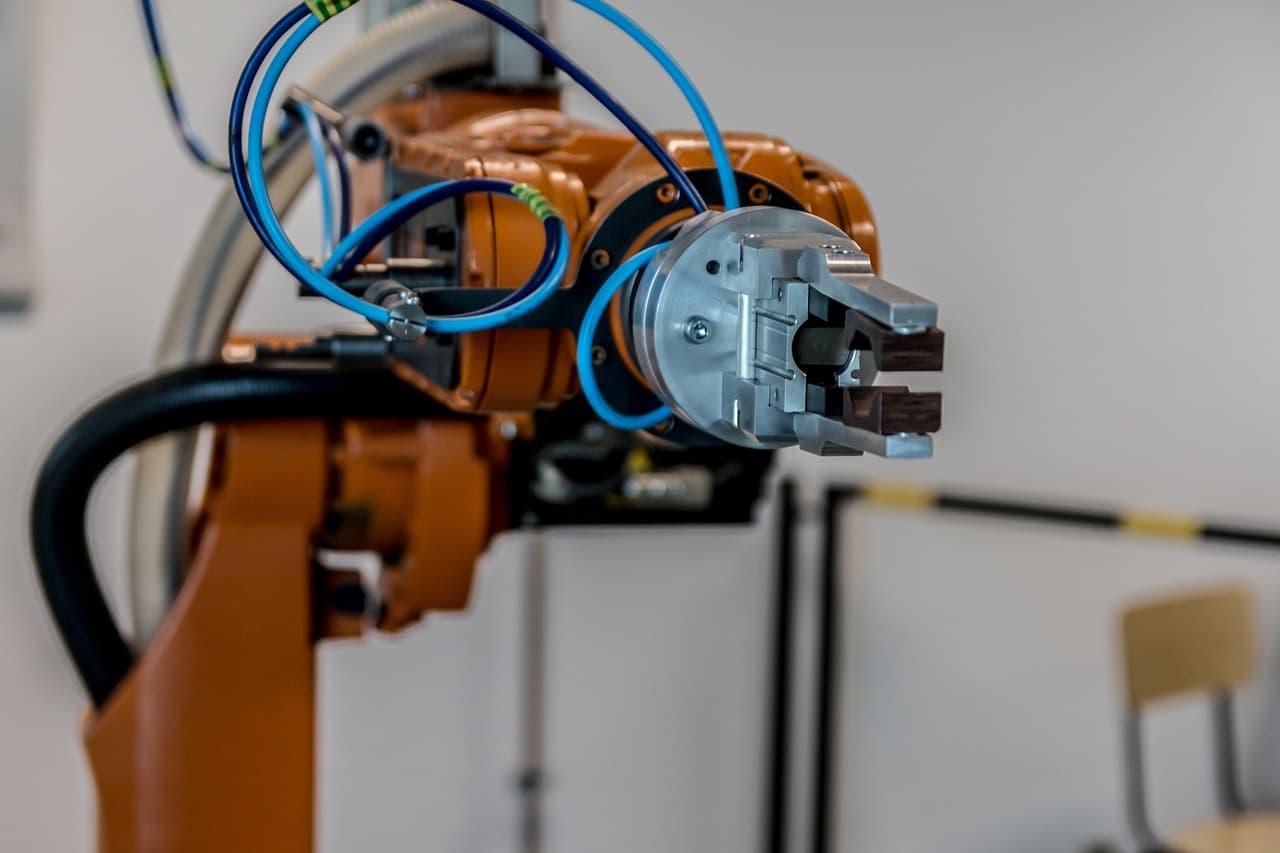
Edinburgh, Scotland–based Danu Robotics, now six years old, has developed H.E.R.O., a robot intended to sort recyclables more quickly and at lower cost. One technical difference is that H.E.R.O. uses a pincer claw to pick up items rather than a suction system. The larger distinction is the company’s business model: Danu applies artificial intelligence to continuously improve the robot’s software.
Market traction and business figures
That approach has attracted early commercial interest. Danu holds letters of interest from two large customers and has $500,000 in signed contracts. More than 200 prospective customers are listed in the company’s sales pipeline, positioning it to address an estimated $20 billion market for recycling sorting across Europe and North America.
To sustain commercial rollout, Danu raised $5 million in a late-seed funding round.
Cost and return estimates
Ma argues recycling facilities have a direct financial incentive to adopt effective sorting technology because they profit from recovered materials. She estimates a functioning site could see $485,000 in additional revenue from deploying the robot, compared with a $160,000 initial investment and $24,000 per year in maintenance fees. According to Ma, those figures are cheaper than competing systems and the robot should also be more efficient.
Competitors and future development
There is already an active market for robotic waste sorters, particularly suction-based arms from competitors such as Glacier and RecycleEye. Ma believes the economics of recycling make it straightforward for a new entrant to demonstrate return on investment.
With machines already shipping, Danu’s next priorities are making the robot tougher, smaller and more versatile. Once portable enough, H.E.R.O. could be used outside dedicated recycling plants — at events, shopping centers, hospitals or airports — enabling source-level recycling.
“Once it’s smaller, it can be used as a stand-alone recycling solution for events, for shopping centers, hospitals, or airports to recycle their waste at the source,” Ma told TechCrunch, “and that’s the way we can really change how we’re managing our packaging waste.”
Upcoming appearance
Danu Robotics will participate in Startup Battlefield 200 at TechCrunch Disrupt, held October 13–15 at the Moscone Center in San Francisco.