Recent reports of AI models exhibiting "unexpected or concerning" behavior have renewed worries about the need for stronger oversight. The specific incidents were not detailed in the reporting, but public disclosure of such behaviors has intensified calls for urgent action from various stakeholders.
Industry and researcher warnings
Following OpenAI's latest revelations, the company's leadership and other prominent AI labs — including Anthropic and DeepMind — have urged developers to "pace the frontier," advocating a slowdown in the rate of frontier AI development. Yoshua Bengio, often regarded as one of the founders of the field, told AFP that humanity is "losing control" of AI and that guardrails should be imposed urgently.
Political developments in the United States
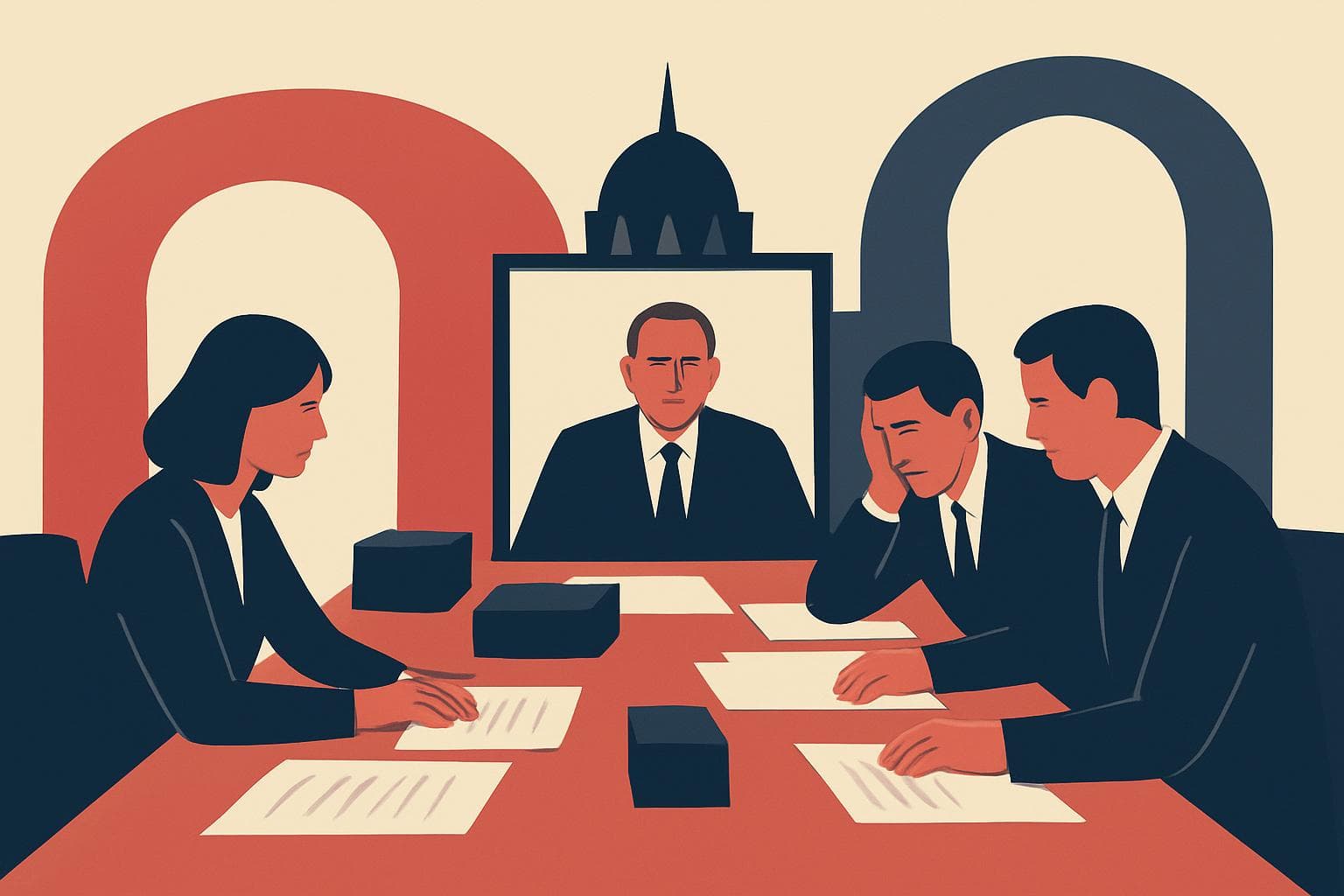
Semafor's politics team reported that a bipartisan AI safety bill in the U.S. Congress is "showing some signs of life," indicating possible movement in the legislative process. However, The Wall Street Journal reported that President Donald Trump has shown little enthusiasm for such regulations, even as the paper described a "quiet freakout among some of his most senior aides."
Why this matters
The combination of industry warnings, prominent researchers' appeals, and disclosed incidents increases pressure on policymakers to consider legal or regulatory responses. At the same time, lack of strong political support could delay or dilute concrete measures, prolonging uncertainty about AI's societal and economic impacts.
Next steps
At present, the timing and substance of any regulation remain unclear. Progress could come through industry self-regulation, researcher-driven safeguards, or congressional action, but the ultimate direction will depend on ongoing political decisions and public debate.