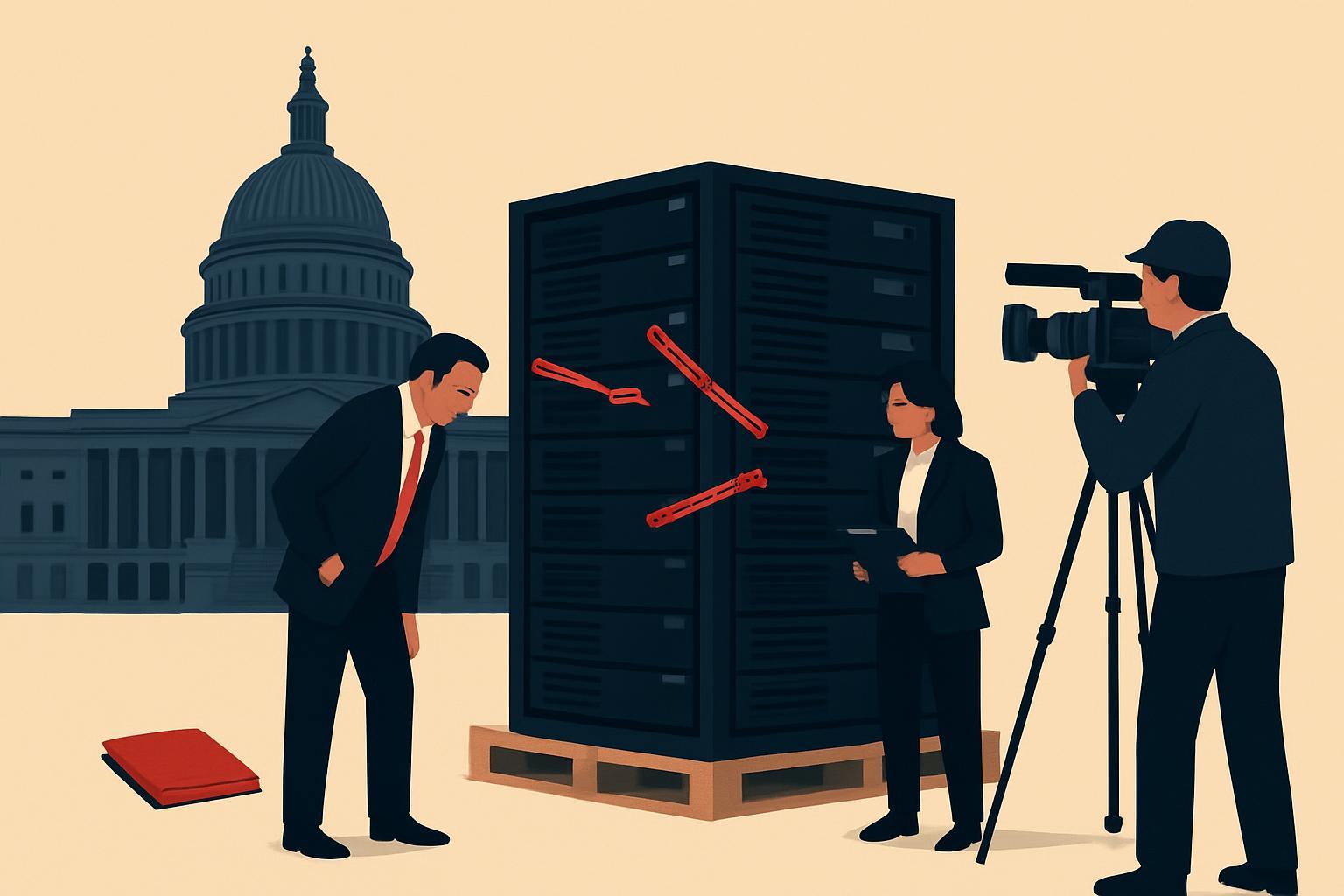
President Donald Trump said over the weekend that he would appoint an AI czar, a move widely interpreted as an attempt to counter recent negative publicity facing the technology industry. The declaration did not, by itself, resolve questions about whether the incoming adviser will change the administration’s approach to AI policy.
Why a major shift is unlikely
The Trump administration has repeatedly argued that frontier AI labs are capable of policing themselves and that U.S. policy should prioritize competing with China. That line of defense remains prominent and there is little indication from current statements that the new adviser will pivot the administration toward stricter regulation or a different narrative.
David Sacks and the message on regulation
David Sacks, who previously held the AI czar title and still chairs a White House council on science and technology, has been forcefully promoting an anti-regulation message despite no longer being an official government employee. His continued prominence and messaging suggest the administration’s preference for industry-led oversight and competitive priorities will persist.
International movement toward coordinated risk management
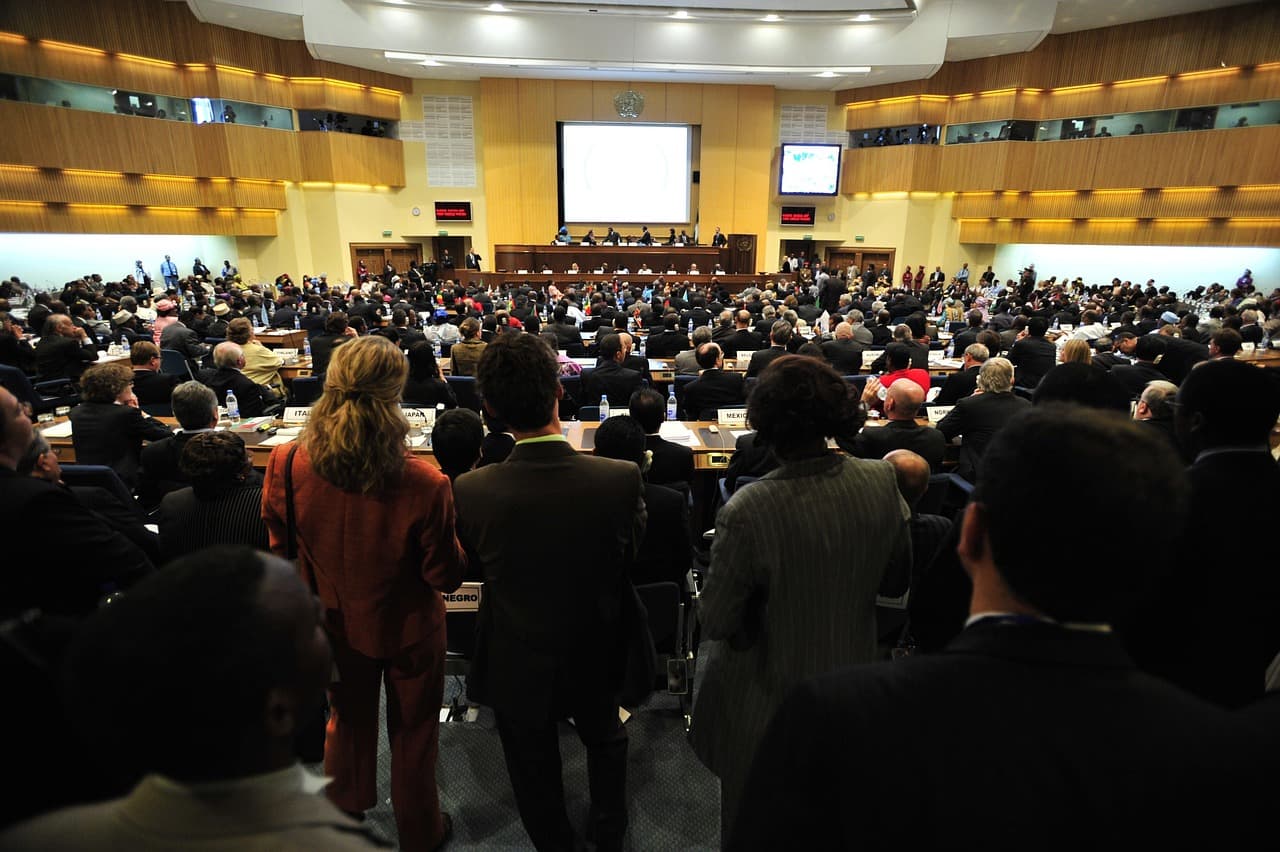
At the same time, broader policy conversations are trending toward some form of action. Chinese and U.S. officials have been discussing cooperation on AI risks, OpenAI has proposed ideas for global risk-sharing, and countries are meeting at the United Nations General Assembly (UNGA) this week to coordinate strategies for mitigating AI harms.
Conclusion
Trump’s weekend announcement appears aimed at addressing industry reputation issues, but existing positions and the administration’s rhetoric suggest the new adviser is unlikely to alter the fundamental pro-industry, anti-regulation stance. Meanwhile, international and multilateral actors are increasingly exploring cooperative measures to manage AI’s potential harms.