ResearchAccording to GPT-Rosalind, TSC2 alterations more strongly change gene expression in certain cerebellar cellsIn a mouse brain dataset analyzed by GPT-Rosalind, TSC2 loss altered expression of dozens of genes in a group of cerebellar neurons, including genes involved in neural communication, whereas TSC1 disruption produced minimal changes.1 min read
ResearchExecutives more likely than employees to trust AI over their own judgment, Charter survey findsA Charter survey of 5,002 U.S.3 min read
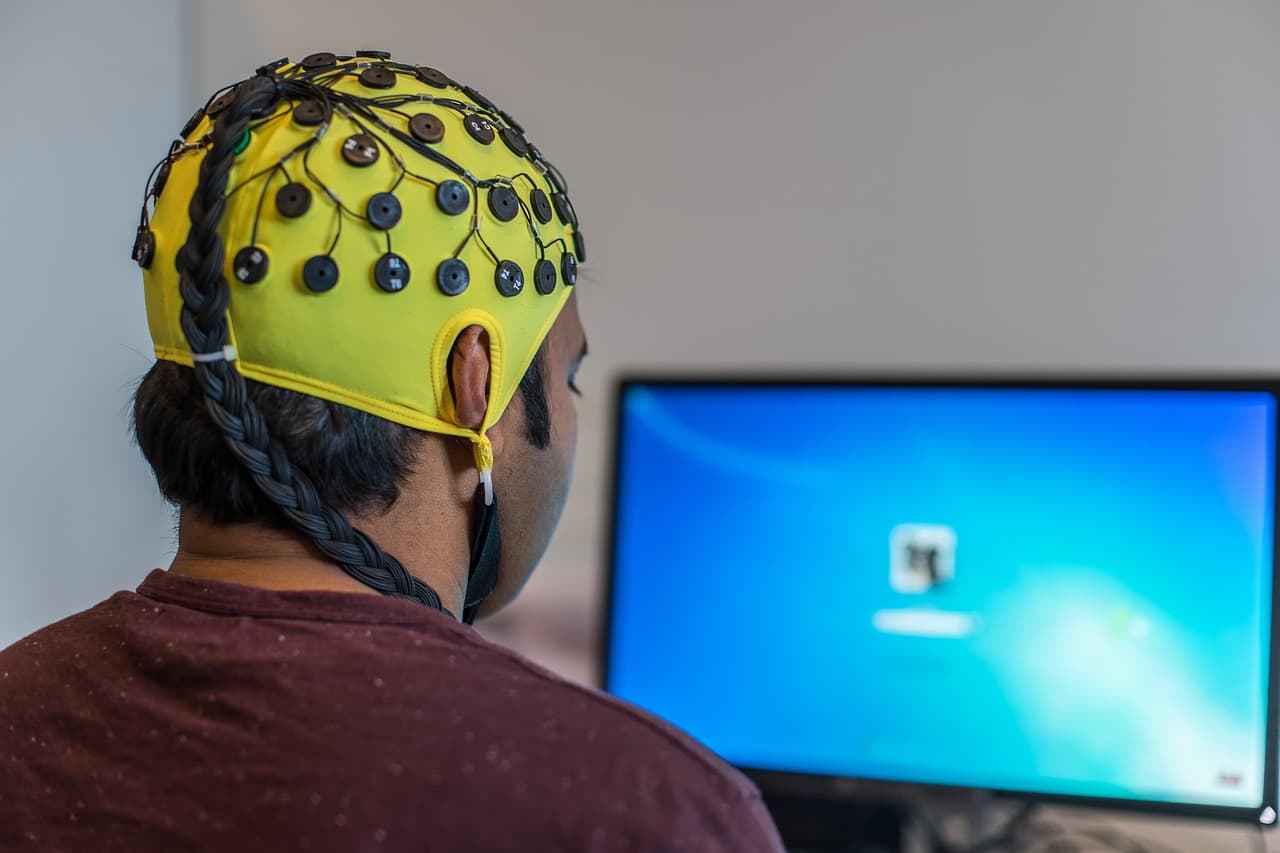
ResearchDistributed AI agents analyze millions of brain cells to surface new biological leadsOpenAI, PerturbAI, and Scripps Research used thousands of GPT‑Rosalind–powered AI agents in parallel to analyze a whole‑brain CRISPR atlas from millions of mouse brain cells, producing a combined reasoning atlas in 32 minutes.3 min read
ResearchClaude assisted in designing protein binders; antidote experiments still neededAn artificial intelligence called Claude took part in designing protein binders, but the researchers emphasize that they have not produced a substance that qualifies as an antidote: the binders must be tested in living cells and in mice, and further steps are required.1 min read
ResearchClaude designs protein binders against scorpion neurotoxinsAn artificial intelligence called Claude has taken an early step in designing protein binders against scorpion neurotoxins; the research was published on Science Blog.1 min read
ResearchStartup translates plants' electrical signals into grower guidance with Bombadil modelElectric Plant, founded by Justin Mast and neuroscientist Lee von Kraus, has developed Bombadil — a large language model trained to interpret microvolt electrical signals from plants.3 min read
ResearchImproved uncertainty estimates in image AI using an 'explaining-away' VAE with divisive normalizationResearchers at HUN-REN Wigner Research Centre led by Orbán Gergő, in collaboration with Argentine partners, developed an augmented variational autoencoder (EA-VAE) that more reliably quantifies uncertainty in image-based inferences.3 min read
ResearchAI model estimates biological age and predicts cancer survival from a single selfieResearchers at Mass General Brigham developed an AI system that, from one facial photo, estimates a person's biological age and predicts cancer patients' survival probabilities.3 min read
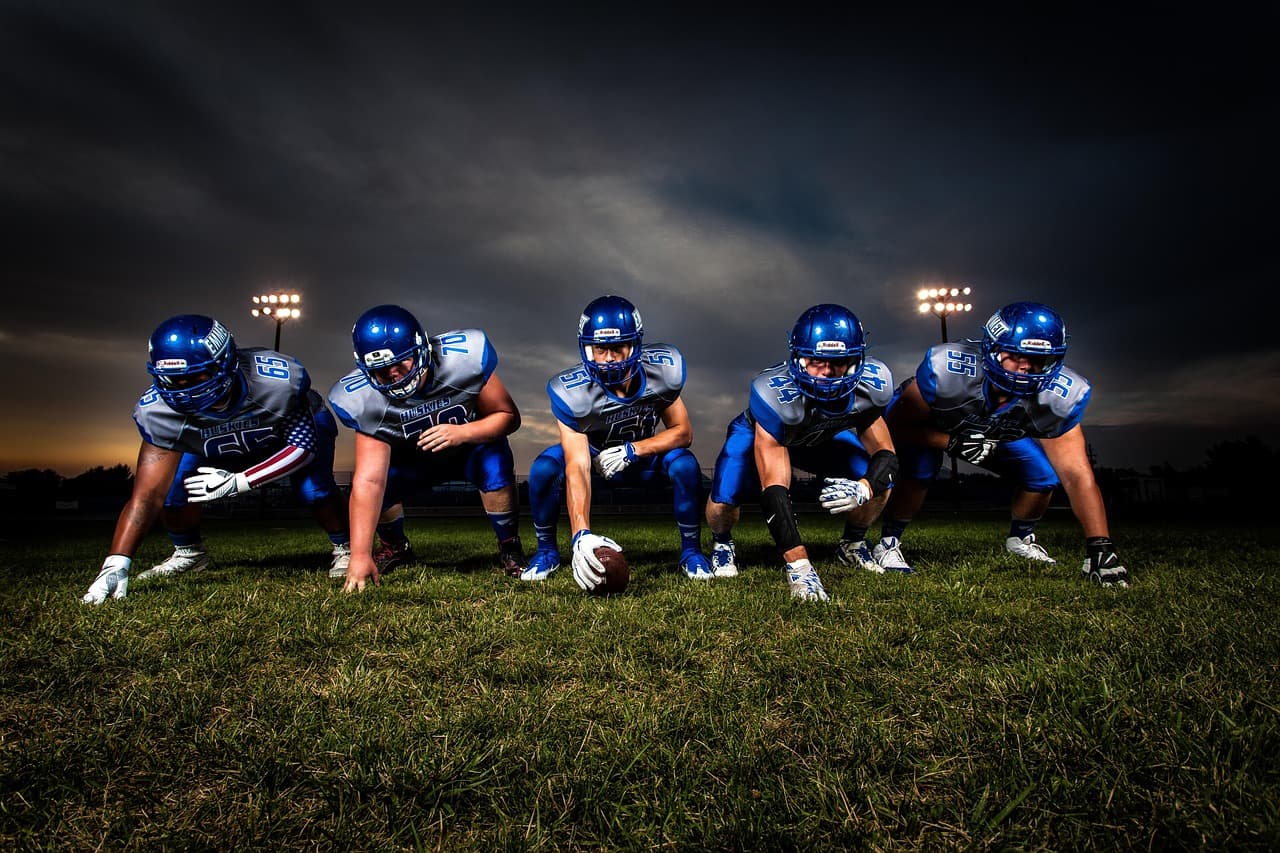
ResearchBuilding an AI analyst to test ‘‘You have to establish the run’’ in the NFLChester Ismay and Michelle Smith describe a project that hands common NFL arguments to an AI agent and checks them against play-by-play data from nflverse.5 min read
ResearchResearcher Nick Cammarata Argues Neural Networks May Be More Readable Than Previously ThoughtNick Cammarata, a researcher at the AI startup Goodfire, published a long blog post arguing that neural networks—including large language models—may be more interpretable than many researchers concede.4 min read
ResearchHow AI Is Learning to Remember, Predict and Make DecisionsRecent developments in AI focus on using computation and memory more selectively: lightweight decision models that run locally, compact multimodal embeddings for better retrieval, and JEPA research that enables planning at multiple scales.4 min read
ResearchBridging In‑Silico Agents and Wet Labs: Digital Twins, Closed‑Loop Aptamer Cycles and Faster De‑Novo Protein DesignResearchers report progress toward autonomous, agent-driven wet labs by combining a semantic digital twin framework (VERID), closed‑loop aptamer discovery cycles, and accelerated de‑novo protein binder design.7 min read